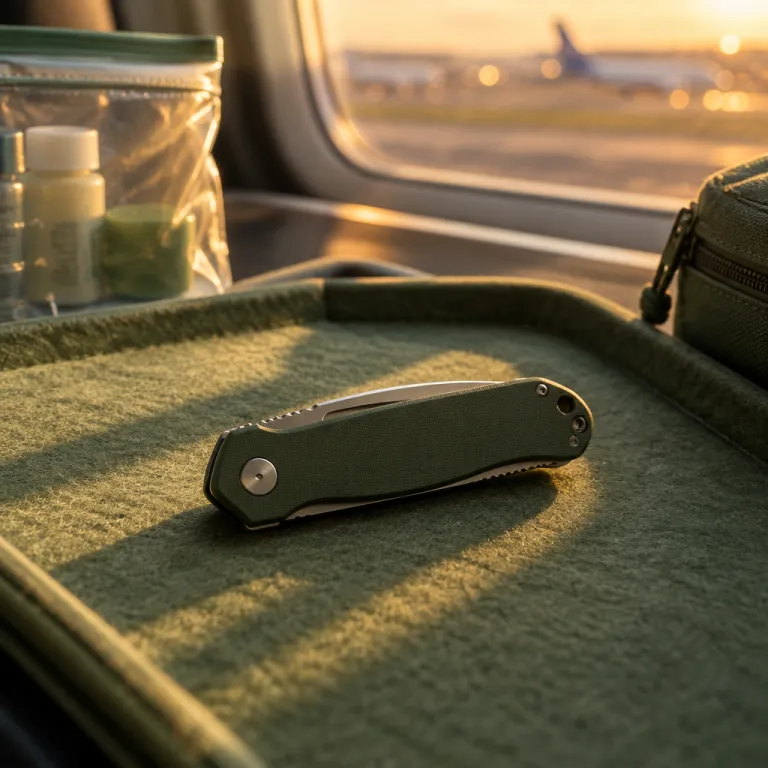
Understanding whether you can bring a pocket knife on a plane
Weekend travelers often ask can you bring a pocket knife on a plane for a quick city break. The short answer is that the Transportation Security Administration (TSA) does not allow any knife with a blade in your cabin bag, even if it is a tiny folding model or a decorative souvenir. For short trips, this means planning how you carry everyday tools so your journey through security remains fast and stress free.
Current TSA regulations state that all knives, including small folding knives and multi tools with blades, must go into checked luggage rather than carry luggage. TSA’s official “What Can I Bring?” guidance explains that “knives, except for plastic or round-bladed butter knives, are not allowed in carry-on bags” on flights departing from U.S. airports, and that they “are allowed in checked bags.” These rules apply to any sharp blade, whether it is a classic pocket knife, a compact camping knife, or a keyring tool with a hidden blade. If you try carrying knife items through the checkpoint, officers will usually confiscate the tool and you may face delays or extra screening.
Many travelers remember a brief period when the agency proposed allowing certain small folding knives in cabins in 2013, but that policy was withdrawn after public and industry opposition and never took effect, so the ban remains in place. The only sharp tools you can carry in your cabin bag are safety razors with enclosed blades and small scissors with a blade length under 10 cm, as reflected in TSA’s published list of permitted grooming items. Everything else, from folding knives to larger multi tools, must be knife checked into your checked bag before you reach the security line.
For short trips and weekends, this matters because many people travel with only one small bag. If you want to carry a knife legally, you must either add checked luggage or leave the tool at home, which changes how you pack for hiking weekends or road to air connections. Understanding these rules early lets you check your packing list calmly instead of surrendering an expensive tool at the airport.
Think about how often you use pocket knives during your usual adventures, then decide whether the convenience justifies paying for a checked bag on a low cost airline. Some travelers keep a dedicated travel multi tool without a blade, relying on screwdrivers, openers, and other tools that are TSA approved for cabin carry. Others maintain two kits, one with knives traveling by air in checked luggage and another minimalist set for hand luggage only city weekends.
Knife laws, state rules, and why they still matter after landing
Even when you solve the question can you bring a pocket knife on a plane, your responsibilities do not end at the baggage carousel. Knife laws vary widely between each state in the United States and between countries in Europe or Asia, so a tool that is legal at home may be restricted at your weekend destination. For short trips, this can create awkward situations if you plan to hike at dawn or explore national parks straight from the airport.
State laws often define which knives allowed in public are acceptable, setting limits on blade length, locking mechanisms, and whether folding knives count as concealed weapons. For instance, some states cap everyday carry blades at around 2.5–3 inches, while others focus more on whether a knife is “dangerous” or “deadly” under their criminal codes. As one concrete example, New York law generally treats a folding knife with a blade of four inches or more as a “dangerous knife” for certain offenses, while Colorado’s criminal code uses a 3.5 inch threshold for a “knife” in some contexts. Some states restrict carrying knife items in government buildings, stadiums, or city centers, even if the same knife carry would be legal on a rural trail. Before you fly, check both your departure and arrival state regulations so your checked luggage does not contain something that becomes illegal once you step outside the terminal.
For example, a compact pocket knife with a 7 cm blade might be legal in one state but restricted in another if it locks open or has assisted opening. Multi tools with blades can fall under the same knife laws, while multi tools without blades are often treated as regular tools and face fewer rules. When you plan a weekend of early morning hikes, resources such as official state police websites, attorney general guidance, and national park advisories help you check the latest regulations.
Short break travelers who love sunrise hikes often combine flights with rental cars and quick drives to trailheads. If that sounds like your style, read guidance on early park entry strategies, such as the advice in this article about a 5 am national park strategy to avoid crowds, then align your knife carry choices with both TSA rules and local state laws. This way, your folding knife or multi tool stays a practical companion rather than an unexpected legal problem.
Remember that international trips for long weekends add another layer, because some countries ban certain blades entirely, even in checked luggage. For instance, United Kingdom law generally prohibits carrying locking or fixed-blade knives in public without a “good reason,” and some European countries treat one handed opening knives as restricted weapons. When knives checked into your suitcase cross borders, customs officers can apply national regulations that differ sharply from TSA regulations used at departure. For peace of mind, keep copies of product descriptions showing blade length and locking type, which can help clarify that your tools are designed for camping or travel rather than self defense.
Packing strategy for checked luggage versus cabin bags on short trips
Once you accept that you cannot carry a pocket knife in your cabin bag, the next step is designing a packing strategy that suits short trips. Many weekend travelers prefer to avoid checked luggage to save time and money, yet they also like having reliable tools for hiking, picnics, or road detours. Balancing these priorities requires a clear decision about whether knives traveling with you are essential or optional for this particular getaway.
If you decide that a knife is essential, place it in checked luggage and secure it in a protective sheath or small hard case. Position the tool in the middle of your clothes so the blade and any sharp edges are cushioned, which protects both baggage handlers and your belongings. When you check your suitcase, remember that TSA regulations allow knives in checked bags, but airline rules may still require that blades are safely wrapped or sheathed.
Travelers who only carry luggage in the cabin must leave knives at home or switch to TSA approved alternatives without blades. For example, you can pack a compact multi tool that includes scissors with a short blade length, screwdrivers, and openers, all of which comply with current rules when designed without sharp knife blades. These tools still help with small repairs, gear adjustments, and picnic preparations during a weekend escape.
When you do travel with knives checked into a suitcase, label the interior of your bag with your contact details in case security needs clarification. If officers must check the contents, a neat layout with the knife checked in a visible pouch often speeds the process and reduces the chance of damage. Avoid hiding blades inside shoes or toiletry bags, because this can trigger extra screening and slow your bag’s journey to the aircraft hold.
For European weekends, remember that new border systems and biometric checks can lengthen airport processes, making efficient packing even more valuable. Reading guidance such as this analysis of what Europe’s new biometric borders mean for your next trip helps you time your arrival and decide whether adding a checked bag is realistic. On tight connections, traveling without any knife or multi tool may be the most practical choice, especially when your itinerary includes trains or ferries after landing.
Choosing the right travel friendly knife or multi tool
For travelers who often ask can you bring a pocket knife on a plane, the real question is usually which tool makes sense to own. Not every knife suits air travel, and not every multi tool is equally practical for short trips and weekends. Selecting the right design means weighing blade length, folding mechanisms, and how often you are willing to pay for a checked bag.
Start by deciding whether you truly need a traditional knife or whether a blade free multi tool will cover most situations. Many modern multi tools offer pliers, screwdrivers, scissors with compliant blade length, and openers, all of which are usually TSA approved for cabin carry when they exclude sharp blades. For city breaks with light hiking, these tools often replace pocket knives entirely and remove the need for checked luggage.
If you still prefer carrying knife equipment, choose compact folding knives with clear safety features and modest blades. A small pocket knife with a non aggressive design, rounded profile, and secure folding mechanism is easier to justify when you check it into your suitcase. Avoid large tactical blades or fixed knives, because they attract more scrutiny under both TSA regulations and many state laws.
When comparing models, look for manufacturers that publish precise blade length measurements and material details. This transparency helps you check knife laws in each state or country you visit, ensuring your knives allowed in checked bags also remain legal once you leave the airport. Keep a digital copy of the product page on your phone so you can show officials exactly which tools you are carrying if questions arise.
Frequent flyers sometimes maintain two separate kits, one with knives checked for trips that justify a checked bag and another without blades for hand luggage only weekends. Over time, you will learn which destinations and activities truly require a knife carry option and which work perfectly with blade free tools. This deliberate approach keeps your packing elegant, efficient, and aligned with both safety rules and your personal travel style.
Airport security, TSA regulations, and avoiding last minute surprises
Security checkpoints are where the theory of can you bring a pocket knife on a plane meets reality. Officers apply TSA regulations consistently, and they have little flexibility once a prohibited blade appears on the X ray screen. For short trips, a forgotten pocket knife in a jacket pocket can mean losing a favorite tool just minutes before boarding.
To avoid this, create a simple pre travel ritual where you check every pocket, every small bag, and every compartment of your carry luggage. Many travelers keep a dedicated “flight drawer” at home where they place knives, multi tools, and other restricted items the night before departure. This habit reduces the risk of accidentally carrying knife items into the security line and speeds your progress through the airport.
Remember that TSA officers focus on the presence of blades rather than brand names or sentimental value. Whether it is a tiny folding knife on a keyring or a premium multi tool with several blades, any sharp edge in your cabin bag will be removed under current rules. Once surrendered, these tools are rarely returned, so the cost of a mistake can be significant for frequent weekend travelers.
When you must travel with knives checked into your suitcase, declare any unusual tools if an airline agent asks about sharp objects. While standard folding knives and pocket knives usually require no special paperwork, very large blades or specialist tools may attract extra questions under airline specific rules. Clear, calm answers and a well packed checked bag help demonstrate that your tools are for camping or outdoor use rather than anything suspicious.
For complex itineraries that mix flights with trains, ferries, or rental cars, consider whether you really need a knife at every stage. Some travelers choose to ship tools ahead to a hotel or trusted contact, especially when they know they will not need blades during the outbound journey. Planning this way keeps your airport experience smooth and lets you focus on the enjoyable parts of a weekend escape rather than on security queues.
Smart planning for short trips: when a knife is worth the checked bag
Not every weekend escape justifies paying for checked luggage simply to carry a pocket knife. City breaks with museum visits, cafés, and light shopping rarely require blades or heavy tools, so a minimalist cabin bag often makes more sense. In contrast, remote cabin stays, camping weekends, or road trips that start with a flight may benefit from having knives traveling with your gear.
Begin by mapping your planned activities and listing every situation where you might use a knife or multi tool. If you only expect to open a few snack packets or trim a loose thread, a small pair of scissors in your carry luggage will probably suffice. When your itinerary includes food preparation, gear repairs, or trail maintenance, a compact folding knife in checked luggage becomes easier to justify.
Cost also matters, especially for budget airlines that charge separately for each checked bag. Compare the fee for one allowed checked suitcase with the value of the tools you want to bring and the convenience they provide. Sometimes it is cheaper to buy an inexpensive knife at your destination, use it for the weekend, and then leave it behind or donate it before flying home.
Time is another factor, because waiting at baggage claim can eat into a short itinerary. If your flight lands late on Friday and you hope to reach a mountain trail by sunrise, consider strategies that save minutes, such as choosing airlines with reliable baggage handling or reading advice on finding efficient summer stays and timing your arrivals. In some cases, skipping knives entirely and relying on blade free multi tools keeps your schedule tighter and your packing lighter.
Over multiple trips, track how often you actually use any knife carry items you brought. If you notice that your pocket knives stay in the bag on most weekends, you may decide to reserve blades for only the most gear intensive adventures. This reflective approach aligns your habits with both legal requirements and the elegant simplicity many travelers seek in their short break routines.
Key statistics about knives, flights, and travel safety
- TSA public data shows that security officers intercept a very large number of knives and other prohibited items at airport checkpoints every year across the United States, often highlighted in the agency’s annual “Year in Review” reports. This underscores the importance of a final pocket and luggage check before leaving home for a weekend trip.
- According to TSA information, any knife with a blade, including folding knives and multi tools with blades, is prohibited from carry on bags on flights departing from U.S. airports. The agency’s published rule states that knives belong in checked baggage only, with the limited exception of plastic or round bladed butter knives in the cabin.
- Data from several U.S. states shows that knife laws can differ significantly, with some states limiting blade length for everyday carry while others focus on whether a knife is classified as a dangerous weapon. Weekend travelers crossing state lines should therefore review state laws rather than assuming their usual knife carry is automatically legal everywhere.
- Airline baggage policies indicate that checked bags are more likely to be opened for inspection when X ray images show dense or unclear objects, including unsheathed blades or clusters of metal tools. Packing knives in a visible sheath or case within checked luggage can reduce confusion and speed any necessary inspection.
FAQ about bringing pocket knives on planes for short trips
Can you bring a pocket knife on a plane in your carry on bag ?
No, you cannot bring a pocket knife in your carry on bag under current TSA regulations. Any knife with a blade, including small folding models and multi tools with blades, must go into checked luggage. If security finds a blade in your cabin bag, it will usually be confiscated and you may face delays.
Are any knives allowed in checked luggage on flights ?
Yes, most standard knives, such as pocket knives, folding knives, and camping knives, are allowed in checked luggage on flights departing from U.S. airports. The blades should be sheathed or securely wrapped to protect baggage handlers and prevent damage to your belongings. Always verify airline specific rules and any destination country restrictions before packing larger or unusual blades.
How do state laws affect carrying a knife after landing ?
State laws determine whether you may legally carry a knife in public once you leave the airport. Some states limit blade length, restrict locking mechanisms, or ban certain designs, even if those knives were legal to transport in checked bags. Before a weekend trip, check both your departure and arrival state regulations to avoid unintentionally breaking local knife laws.
Is a blade free multi tool a better option for short trips ?
For many weekend travelers, a blade free multi tool is a practical alternative to a traditional knife. Tools that include pliers, screwdrivers, and scissors with short blades are often TSA approved for cabin carry when designed without sharp knife blades. This lets you travel with hand luggage only while still having useful tools for minor repairs and adjustments.
What is the safest way to pack a knife in a checked bag ?
The safest method is to place the knife in a rigid sheath or small hard case, then position it in the center of your checked bag surrounded by soft clothing. This protects baggage handlers and reduces the chance of the blade cutting through your luggage during transit. Avoid hiding knives in shoes or toiletry bags, because this can trigger extra screening and slow your suitcase at security.