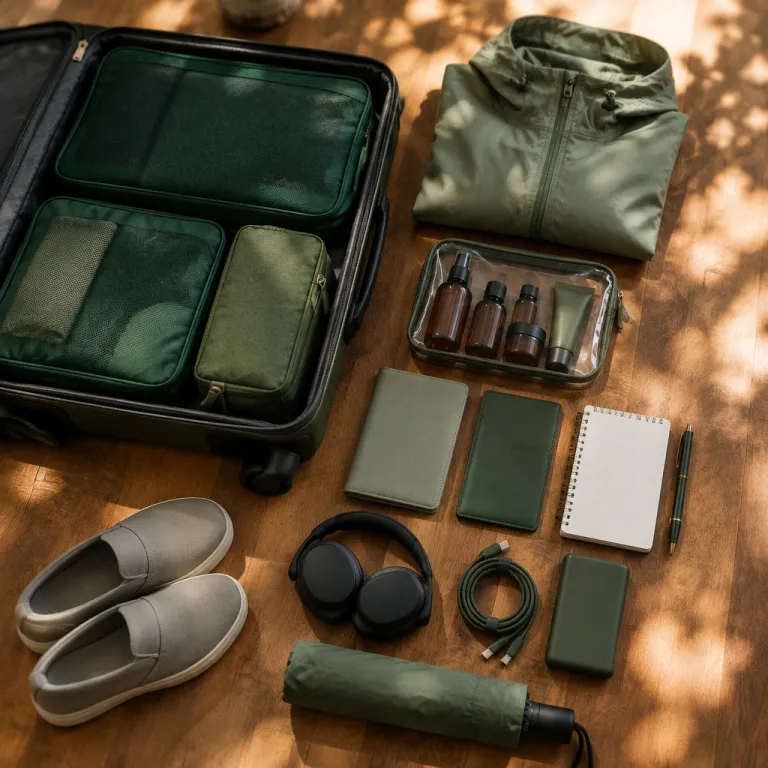
What to Check Before a Flight: A Practical Pre‑Departure Checklist for Short Trips
Fast pre‑flight snapshot for 2–3 night trips
- Confirm ID and travel documents (passport/ID, visas, health papers)
- Download boarding pass, verify terminal, time, and baggage rules
- Prepare money and protection (main card + backup, small cash, insurance)
- Streamline luggage (one small suitcase + compact cabin bag, essentials on top)
- Plan timing and transport (airport arrival window, route, backups)
Section 1 – Building a smart flight checklist for short getaways
For a smooth weekend escape, one of the first things to review before a flight is your identification. Your passport or national ID must be valid for the entire trip, and you should also confirm airline rules about minimum validity periods well before flying. Keep a digital copy of these documents on your phone and another in your checked luggage for extra security.
Another essential preflight checklist item is your boarding pass and reservation details. Download the boarding pass to your phone, print a spare copy, and verify the airport terminal and departure time the day before travel. This simple check will reduce stress at the airport and help you move quickly through air travel formalities.
Money matters can derail even the best planned short trip if ignored. Confirm that your main credit card works abroad, and carry a backup card in a separate bag to protect yourself from loss or theft. Many travel experts also suggest enabling alerts on your credit cards the day before departure, so any suspicious activity will be flagged while you are in the air.
When you pack for a quick trip, limit your luggage to one small suitcase and one carry bag. Use a written packing list to prioritise essential items like medication, chargers, and a refillable water bottle that you can carry through security empty. This approach keeps your cabin baggage light while ensuring you do not leave behind critical items before takeoff.
Short haul flights tempt travellers to be casual, but a structured packing checklist still matters. Decide in advance which seat you prefer, then check airline policies on seat selection and any extra fees before online check in opens. These travel tips help you secure the best value and comfort without wasting time at the airport counter.
Quick visual packing checklist for a 2–3 night trip
- Passport/ID, boarding pass, wallet, phone
- Medication, small toiletry bag, refillable water bottle
- 2–3 outfits, sleepwear, underwear, light layer
- Chargers, power bank, headphones, travel adapter
- Credit card + backup card, small amount of local cash
Section 2 – Timing your airport arrival and preflight logistics
For short trips, a crucial consideration before a flight is how early you must arrive at the airport. Most travel experts recommend reaching the airport at least two hours before flying within Europe and three hours for long haul routes. This buffer gives you time to check luggage, clear security, and handle any last minute changes without panic.
Traffic and public transport delays can ruin a weekend trip if you misjudge time. The day before departure, check real time traffic apps and airport train schedules, then add at least thirty minutes to whatever estimate you see. When you plan a short break to a nearby city, such as those highlighted in this guide to short breaks in September, this extra margin will protect your flights from unexpected disruption.
Online check in is another crucial item on your flight checklist for short getaways. Check airline emails or app notifications the day before, then complete check in as soon as it opens to secure your preferred seat. Save the boarding pass to your phone wallet and carry a printed copy in your carry bag in case your battery fails at the airport.
Security screening is easier when you pack with intention before flight day. Place your toiletry bag, laptop, and water bottle in the top of your carry luggage so you can remove them quickly at the checkpoint. This simple packing strategy shortens your time in line and makes air travel less stressful for both you and fellow passengers.
Finally, confirm terminal and gate information shortly before takeoff, because last minute changes are common. Use the airport app or departure boards to check the gate again after security, and set a reminder on your phone for boarding time. These habits ensure you do not miss announcements while you relax, shop, or enjoy a meal before flying.
Real‑world example: One traveller on a Friday evening city break nearly missed her flight when the gate changed twice in 20 minutes. Because she had set a boarding reminder and checked the airport app regularly, she caught the final announcement and reached the new gate just as boarding closed.
Section 3 – Packing strategy for carry luggage and checked bags
Thoughtful packing is always worth reviewing before a flight, especially for short weekends. Start with a focused packing list that reflects your exact itinerary, then lay all items on the bed before you pack anything into your bag. This visual check helps you remove nonessential items and keep both carry luggage and checked luggage streamlined.
Use packing cubes to separate outfits, underwear, and accessories, which keeps your luggage organised during the trip. Many travellers find that packing cubes in different colours make it easier to locate items quickly in a small carry bag or cabin suitcase. For a long haul weekend extension, such organisation becomes even more valuable when you are tired after flying.
Your toiletry bag requires special attention before flying, because airport security rules are strict. Place all liquids in containers of 100 millilitres or less, then pack them in a transparent resealable bag that you can carry separately. This step should be on every flight checklist, as it prevents delays and confiscated items at security.
Electronics and valuables should always stay in your carry bag rather than checked luggage. Keep your phone, laptop, camera, and main credit card close, and carry a small backup power bank for long haul flights. When you decide what to check before a flight, protecting these items ranks higher than choosing the best seat.
For travellers planning multiple flights in one season, such as those considering an unlimited summer flights pass, a repeatable packing checklist is invaluable. Save your preferred packing list on your phone, then refine it after each trip by removing unused items. Over time, this habit will give you a personalised system that makes every day before departure calmer and more efficient.
Mini anecdote: A frequent flyer who kept forgetting her phone charger finally added “chargers and power bank” as a bold line at the top of her digital packing list. After updating the list once, she stopped leaving cables behind and cut last minute airport purchases entirely.
Section 4 – Health, comfort, and seat choices for short and long haul flights
Comfort is often overlooked when people think about preflight checks. Yet for both short city breaks and long haul journeys, your seat choice and in flight routine can shape the entire trip. Check airline seat maps before flying, and choose a seat that matches your priorities, whether that is legroom, quick exit, or a quieter cabin.
Hydration is another key item on any flight checklist, especially when you fly frequently for weekend escapes. Carry an empty water bottle through security, then fill it at a fountain or café before takeoff to avoid relying solely on cabin service. This simple habit supports circulation, reduces fatigue, and helps you arrive ready to enjoy your trip.
For travellers prone to stiffness, consider light stretching as part of your air travel routine. On long haul flights, walk the aisle every couple of hours, and on shorter flights, flex your ankles and roll your shoulders while seated. These micro movements do not disturb other passengers but significantly improve comfort before landing.
Clothing also belongs on your personal packing checklist for flying. Pack a light layer in your carry bag, even for warm destinations, because cabin temperatures can drop unexpectedly during the flight. Slip on compression socks for longer flights, which many travel experts recommend to support circulation and reduce swelling.
Health documentation is an important detail to verify before a flight when visiting destinations with specific entry rules. Carry digital and paper copies of any required vaccination certificates or medical letters in your carry luggage, and keep a small supply of essential medication in your toiletry bag. Never place critical medication in checked luggage, because delays or lost bags can quickly derail a carefully planned weekend trip.
Section 5 – Money, documents, and protection for short trips
Financial readiness is a core element of preflight preparation, even for a two night city break. Confirm that your credit card is activated for international use, and notify your bank of travel dates to reduce the risk of blocked transactions. Carry a small amount of local currency in your bag for taxis, tips, or small cafés that may not accept cards.
Travel insurance may feel optional for short trips, but it remains a wise safeguard. Compare policies that cover flight delays, lost luggage, and medical emergencies, then save the policy number and emergency contact in your phone and printed flight checklist. If your checked luggage goes missing or a flight is cancelled, this preparation will protect both your budget and your time.
Documentation organisation should appear on every packing list you create before flying. Keep your passport, boarding pass, hotel confirmations, and any car rental details together in a slim travel wallet that fits easily in your carry bag. The day before departure, check each document for correct dates, names, and reference numbers to avoid last minute surprises at the airport.
For digital security, back up important files and enable device tracking before flight day. Store copies of your passport, travel insurance, and tickets in a secure cloud folder that you can access from any device while flying or during the trip. This extra layer of protection ensures that losing a bag does not mean losing access to essential information.
Finally, think about how you will pay for extras during the trip, such as seat upgrades, additional checked luggage, or last minute activities. Some airlines offer better prices for these options when you check airline apps in advance rather than at the airport counter. Planning these details ahead of time keeps your weekend escape focused on enjoyment rather than unexpected costs.
Section 6 – The day before departure: final checks for stress free weekends
The day before departure is the perfect moment to review everything related to your flight checklist. Start with a final walk through of your home, checking windows, appliances, and rubbish bins so you return to a fresh space after the trip. Then open your packing checklist and physically touch each item in your luggage, from your toiletry bag to your water bottle.
Next, confirm all flight details and transport arrangements to and from the airport. Check airline apps for any schedule changes, verify the departure terminal, and reconfirm your transfer or parking booking before flying. If you are still choosing dates for future trips, consult data driven guidance such as this timing strategy for booking summer flights to secure the best fares.
Prepare your carry bag carefully the day before, placing your passport, boarding pass, credit card, and phone in easily accessible pockets. Add a small pouch for earphones, a pen for forms, and any medication you might need during the flight. Keep your carry luggage by the door with your shoes and outerwear, so you can leave on time without searching for last minute items.
Sleep is another often neglected element on any flight checklist, especially for early morning departures. Aim for a full night’s rest, and set at least two alarms on different devices before takeoff day begins. Good sleep will help you handle airport crowds, security lines, and any minor disruptions with far more patience.
On the morning of your trip, perform one last quick check of your essentials rather than repacking everything. Confirm you have your wallet, keys, phone, and travel documents, then trust the preparation you completed the day before. With these habits, your list of things to check before a flight becomes a calm, repeatable routine that supports every short trip and weekend escape.
Key statistics about preflight preparation and short trips
- A 2023 survey by the International Air Transport Association (IATA) reported that around 40 percent of travellers arrive at the airport less than two hours before short haul flights, which increases the risk of missed departures when security queues are long. Source: IATA, “2023 Global Passenger Survey – Highlights Report.”
- Data from the U.S. Department of Transportation’s Air Travel Consumer Reports shows that mishandled baggage rates typically hover around 5 to 7 bags per 1,000 passengers, highlighting why essential items and valuables should always stay in carry luggage. Source: U.S. DOT, “Air Travel Consumer Report,” 2022–2023 monthly issues.
- Research from the Allianz Partners travel insurance barometer found that more than half of insured claims on leisure trips relate to trip interruption or delay, underlining the value of travel insurance even for short weekends away. Source: Allianz Partners, “Vacation Confidence Index 2023 – Travel Insurance Findings.”
- Studies on hydration and air travel published in aviation medicine journals indicate that cabin humidity levels can drop below 20 percent, which is significantly drier than most deserts and reinforces the importance of carrying a refillable water bottle. For example, see: Silverman D, Gendreau M. “Medical issues associated with commercial flights.” Lancet, 2009.
- Airport authority reports from major European hubs show that security wait times can spike by 30 to 50 percent during peak holiday periods, making early arrival and a streamlined packing checklist crucial for stress free departures. Source: Annual operational reports from airports such as Heathrow Airport Holdings and Royal Schiphol Group, 2022–2023.
FAQ about checks to make before a flight
What should I always keep in my carry bag for a short trip ?
For a short weekend trip, always keep your passport or ID, boarding pass, credit card, phone, medication, and a small toiletry bag in your carry bag. Add a refillable water bottle, a light layer, and essential electronics such as a charger and headphones. These items should never go in checked luggage, because delays or lost bags can disrupt your plans.
How early should I arrive at the airport before flying for a weekend break ?
For domestic or short haul flights, aim to arrive at the airport at least two hours before departure. For long haul or busy holiday periods, extend this to three hours to allow for longer check in and security queues. This timing gives you a comfortable buffer for unexpected delays while keeping the preflight experience relaxed.
Is travel insurance necessary for a short weekend trip ?
Travel insurance is not legally required for most short trips, but it is strongly recommended. Even a brief weekend break can be affected by flight cancellations, lost luggage, or sudden illness, all of which can be costly without coverage. A basic policy that includes medical care, trip interruption, and baggage protection is usually sufficient for short getaways.
How can I avoid overpacking for a two or three night flight trip ?
To avoid overpacking, start with a precise packing list that matches your itinerary and weather forecast. Lay out all items on your bed, then remove anything that does not serve at least two outfits or clear purposes. Use packing cubes to limit space, and commit to one small suitcase plus a compact carry bag for most weekend flights.
What documents should I check the day before my flight ?
The day before your flight, check your passport validity, visa or entry requirements, boarding pass details, and accommodation confirmations. Verify flight times, terminal information, and any transport bookings to and from the airport. Keeping digital and printed copies of these documents in your carry luggage ensures you are prepared even if your phone battery fails.