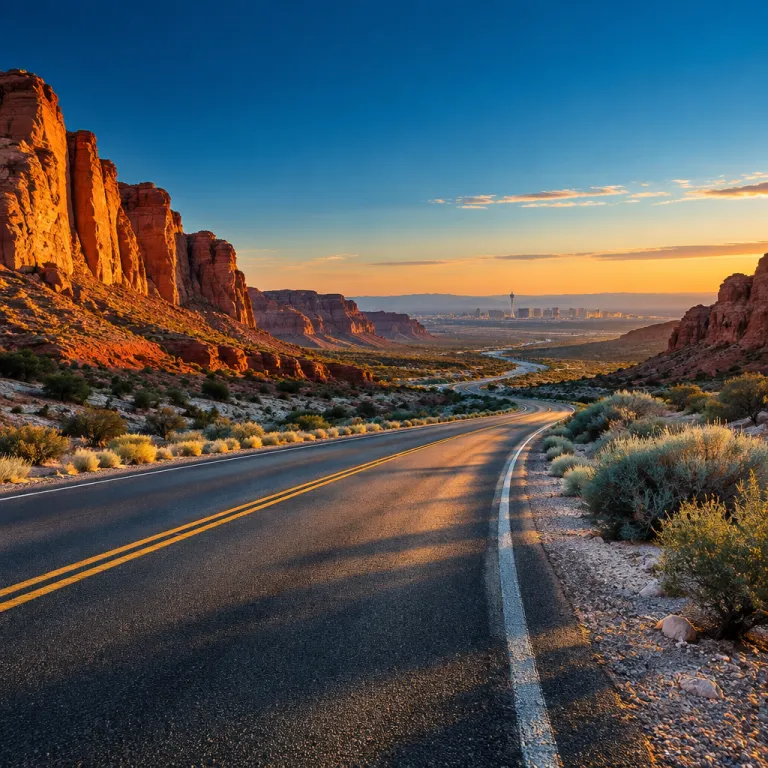
Planning a short escape from zion national park to vegas
Moving from Zion National Park to Vegas in a single weekend demands precise planning. The distance between the main park entrance in Springdale and the Strip in Las Vegas is about 260 kilometers (around 160 miles), so you must balance driving time with meaningful stops along the way. Treat this short trip as a curated road journey rather than a rushed transfer between a national park and a casino skyline.
Most travelers start their trip in Utah, spending at least one day inside Zion National Park before driving toward Nevada. That first day is best used riding the official park shuttle into Zion Canyon, hiking to Emerald Pools or along the Virgin River, then returning to Springdale in time for a calm evening. As the cliffs turn orange at sunset and the canyon cools, you can sit on a patio in town and watch the last shuttle buses roll past. On the following day you can leave early, reach Las Vegas by mid afternoon, and still enjoy a relaxed evening in the city.
The road from Zion to Las Vegas follows Utah State Route 9 and Interstate 15, a corridor that passes red rock cliffs, open desert, and occasional river valleys. Expect about three hours of pure drive time between Zion Canyon and Las Vegas, but plan at least five hours if you want scenic drive detours. Short stops at a state park or a quiet valley near the Virgin River will transform a simple transfer into a memorable road trip.
Choosing the best route and timing for your desert road trip
There are two main ways to travel from Zion National Park to Vegas, and your choice shapes the entire weekend. The fastest option is to drive directly from the park entrance at Springdale to Las Vegas via Interstate 15, which keeps the trip to roughly 260 kilometers (about 160 miles) and three hours of driving. A slower but richer option adds a detour through Valley of Fire State Park, turning the journey into a full day trip with several short walks among red rock formations.
Leaving Zion Canyon before 8:00 in the morning usually means quieter roads and cooler temperatures along the Virgin River corridor. If you prefer a slower start, you can spend more time in the national park, ride the shuttle for one last look at Angels Landing, then depart around midday and still reach Las Vegas before sunset. Travelers who enjoy photography often time their arrival at Valley of Fire State Park for late afternoon, when the rock colors deepen and the low sun sculpts every canyon wall.
For a very short weekend, consider driving from Las Vegas to Zion National Park on the first day, then returning the next afternoon. This reverse route from Las Vegas to Zion Canyon lets you leave the city after breakfast, arrive at the park entrance by lunchtime, and still catch a shuttle into the canyon for a half day hike. On the second day you can enjoy a sunrise walk near the Virgin River, then begin the drive back to Vegas with a brief stop at a state park or a quiet valley viewpoint.
For travelers who like to optimize timing and last minute reservations, a detailed guide to the late summer booking sweet spot offers useful strategies that also apply to Zion and Vegas weekends. By aligning your road trip dates with shoulder season patterns, you gain cooler daytime temperatures, lighter shuttle crowds in the national park, and better value in Las Vegas hotels. That combination makes the short distance between Zion National Park and Vegas feel like a much longer, more luxurious escape.
Transportation tips: shuttles, parking, and driving logistics
Understanding how transportation works inside Zion National Park is essential before you think about the drive to Vegas. During peak periods private cars are not allowed in Zion Canyon, so you must use the park shuttle from the main entrance near Springdale to reach trailheads such as Angels Landing and Emerald Pools. This shuttle system keeps traffic out of the narrow canyon, but it also means you should park early in the day or use lodging in Springdale and walk to the entrance.
When planning a short trip, many visitors choose to leave their car at a hotel in Las Vegas and join a guided road trip that includes Zion National Park, Bryce Canyon, and sometimes the Grand Canyon. These tours handle all driving, parking, and timing, which is helpful if you are not comfortable with desert roads or long miles behind the wheel. Independent travelers who prefer full control usually rent a car in Las Vegas, drive to Zion Canyon, and then rely on the shuttle once they reach the national park entrance.
Parking in Springdale can be limited during busy times, so consider arriving the previous day and exploring the town on foot. Local guides often recommend filling your gas tank in St. George or Hurricane, where services are frequent and restrooms are easy to find, before you continue toward Zion or back to Nevada. In both Springdale and Las Vegas you can often park once, then rely on local shuttles, rideshares, or simple walking to reach restaurants, viewpoints, and evening entertainment without worrying about your car.
Designing a one day itinerary from vegas to zion and back
Travelers with limited time often ask whether a single day trip from Las Vegas to Zion National Park is realistic. The answer is yes, but only if you accept that this will be a focused highlight tour rather than a deep exploration of every canyon and trail. With careful planning you can still experience Zion Canyon, the Virgin River, and at least one signature hike before returning to Vegas in the evening.
Leave Las Vegas around 6:00 in the morning, when traffic is light and desert temperatures are still low. The drive to the park entrance near Springdale takes about three hours, so you should arrive at Zion National Park by 9:00, park your car, and board the shuttle into Zion Canyon. Spend the late morning walking the riverside path along the Virgin River or tackling a moderate trail toward Emerald Pools, then pause for lunch at one of the designated picnic areas.
In the afternoon you can choose between a strenuous ascent toward Angels Landing, a gentler walk deeper into the canyon, or a quiet rest near the river while you admire the red rock walls. Aim to leave the national park by 16:00, which gives you enough time to drive the 260 kilometers (around 160 miles) back to Las Vegas before full darkness. This schedule keeps the total driving time manageable while still allowing meaningful hours inside Zion Canyon, making the vegas zion loop a viable option for ambitious weekend travelers.
Extending the journey: linking zion, bryce canyon, and the grand canyon
Some travelers prefer to stretch the route from Zion National Park to Vegas into a multi park road trip that includes Bryce Canyon and the Grand Canyon. This approach works best for long weekends, because each national park deserves at least one full day to appreciate its unique landscape. By linking these destinations you create a loop that showcases river carved canyons, high elevation plateaus, and vast desert valleys in a single itinerary.
From Zion Canyon you can drive northeast toward Bryce Canyon, a smaller national park famous for its amphitheater of red rock hoodoos. The distance between the two parks is about 130 kilometers (roughly 80 miles), which makes it a reasonable half day drive with time left for a scenic drive along the rim and a short hike among the rock spires. After a night near Bryce Canyon you can continue south toward the North Rim of the Grand Canyon, then eventually return to Las Vegas through open desert and occasional state park stops.
When planning this extended road trip, remember that each national park has its own entrance regulations, shuttle systems, and seasonal road closures. Check official information for Zion National Park, Bryce Canyon National Park, and Grand Canyon National Park before you finalize your day by day schedule. With careful timing you can still end your journey in Las Vegas, enjoying a final evening in the city after several days of quiet canyons, river valleys, and long miles of scenic drive through Utah and Arizona.
Unmissable stops between zion national park and las vegas
The direct route from Zion National Park to Vegas is efficient, but the landscape between Utah and Nevada rewards those who slow down. One of the most impressive detours is Valley of Fire State Park, located about 80 kilometers (around 50 miles) northeast of Las Vegas and easily reached from Interstate 15. This fire state park, as some visitors call it, offers short trails through narrow canyons, sweeping views over red rock valleys, and petroglyphs carved into sandstone walls.
Spending even one or two hours in Valley of Fire State Park breaks the drive into manageable segments and adds visual variety to your trip. You can walk a few hundred meters from the parking areas to viewpoints, explore a shallow canyon, or simply sit in the shade and watch the light move across the rock formations. Many travelers say that the valley fire colors feel like a preview of the deeper reds they will later see in Zion Canyon and other national parks.
Closer to Zion National Park, the road follows sections of the Virgin River, where green vegetation lines the banks and contrasts with the surrounding desert. Short stops at roadside viewpoints let you stretch your legs, photograph the river valley, and appreciate how water has shaped every canyon and rock wall in this region. By the time you reach Las Vegas, the combination of river scenes, state park detours, and long desert miles will have transformed a simple transfer into a rich, layered road trip experience.
Key statistics for planning a zion national park to vegas weekend
- The driving distance from the main entrance of Zion National Park in Springdale to central Las Vegas is about 260 kilometers (around 160 miles), which usually takes around three hours without extended stops, according to the Utah Department of Transportation.
- Valley of Fire State Park lies roughly 80 kilometers (about 50 miles) northeast of Las Vegas and about 190 kilometers (around 120 miles) from Zion National Park, making it a practical detour that adds less than one hour of extra driving time to the overall road trip.
- Zion National Park reports that a large majority of visitors use the Zion Canyon shuttle during peak seasons, which significantly reduces private vehicle traffic along the narrow canyon road and affects how you plan your day trip timing.
- Average summer daytime temperatures in Las Vegas often exceed 38 degrees Celsius (100 degrees Fahrenheit), while Zion Canyon typically remains several degrees cooler, so early morning departures and late afternoon hikes are strongly recommended for short trips.
- Combined itineraries that include Zion National Park, Bryce Canyon National Park, and Grand Canyon National Park can involve more than 800 kilometers (roughly 500 miles) of total driving, so travelers should plan fuel, rest stops, and overnight stays carefully across multiple days.
FAQ about traveling from zion national park to vegas
How long does it take to drive from zion national park to vegas ?
The drive from the main entrance of Zion National Park in Springdale to central Las Vegas usually takes about three hours in normal traffic. This estimate assumes you follow Utah State Route 9 to Interstate 15 without long stops. If you add detours to a state park such as Valley of Fire, plan for at least four to five hours of total travel time.
Is a day trip from las vegas to zion national park realistic ?
A day trip from Las Vegas to Zion National Park is realistic if you leave early and accept a focused itinerary. Expect around six hours of total driving time for the round trip, which leaves four to six hours inside the park for shuttle rides and short hikes. Many visitors use this schedule to experience Zion Canyon, the Virgin River, and one signature trail before returning to Vegas in the evening.
Do I need a shuttle reservation inside zion canyon ?
Zion National Park sometimes requires shuttle reservations during peak periods, while at other times you can board on a first come basis. Always check the official National Park Service website before your trip, because policies can change with visitor numbers and seasonal conditions. Even when reservations are not required, arriving early in the day improves your chances of finding parking near the entrance and boarding the shuttle without long waits.
What is the best season for a short zion and vegas road trip ?
Spring and autumn usually offer the most comfortable temperatures for a short road trip between Zion National Park and Las Vegas. During these seasons daytime highs are milder, which makes hiking in Zion Canyon and walking in Valley of Fire State Park more pleasant. Summer can still work if you start hikes at sunrise, use the shuttle to minimize walking on hot pavement, and schedule the drive during cooler morning or evening hours.
Can I combine zion, bryce canyon, and the grand canyon in one weekend ?
It is technically possible to visit Zion National Park, Bryce Canyon, and the Grand Canyon in a single long weekend, but the pace will be very fast. Most travelers prefer to focus on one or two national parks to avoid spending most of their time driving between entrances. If you want to include all three, allocate at least one full day for Zion Canyon, one for Bryce Canyon, and one for the Grand Canyon, then end your trip in Las Vegas for a final evening in the city.