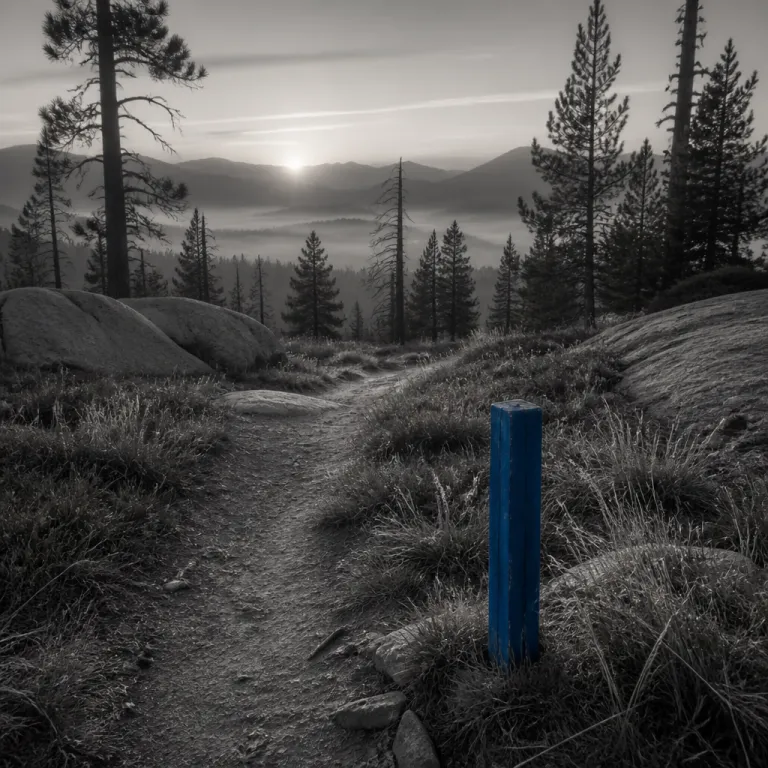
The 5 AM equation: how early changes your entire park day
Arriving at a national park at 5 AM rather than 10 AM reshapes the entire trip, especially on a short weekend escape. By the time most visitors travel through the park entrance mid morning, you will already have walked a quiet trail, secured the best parking and watched the light change across a valley. That difference in time is the core of every smart set of early arrival strategies for families and couples who want impact, not exhaustion.
Picture Yosemite Valley on a peak season Saturday, when National Park Service reports show that summer visitation to Yosemite National Park regularly reaches millions of people per year, with the highest concentration in Yosemite Valley and at viewpoints such as Glacier Point. At 5 AM, parking lots near popular hiking trailheads still have space, park rangers are just starting their shifts and the Merced River feels almost private, while by 9 AM the same national park corridors are dense with crowds and shuttle queues. The same pattern repeats across many national parks in the United States, from Zion to the Grand Canyon, which is why you must plan ahead and treat the early morning as prime time rather than a sacrifice.
For a weekend trip, the 5 AM strategy lets you stack experiences into a short park year of limited days off. You can visit national parks for only two days yet still fit a sunrise hike, a mid morning picnic and a late afternoon drive to a nearby town without feeling rushed. When you are visiting national treasures on a tight schedule, the park early arrival is not a heroic gesture; it is simply the best way to avoid crowds while keeping the day gentle enough for children and less experienced hikers.
Parking, entrances and the quiet power of the first light
The first practical reason to follow early morning national park advice is parking, because trailhead parking lots are the real bottleneck on busy weekends. At Yosemite Valley, many lots near popular hiking routes are full by 8 or 9 AM, and the same story plays out at the Grand Canyon South Rim and Zion Canyon where the park entrance funnels thousands of cars into limited spaces. Arrive at 5 AM and you will usually glide through the entrance station, park close to your chosen hike and start walking while the air is still cool.
Families often underestimate how much time is lost circling for parking or queuing at a visitor center once the crowds have built. When you travel with children, that lost hour can be the difference between a relaxed hike and a meltdown before lunch, so it is worth planning your visit national strategy around the first light. Check park opening hours in advance on the official National Park Service pages or individual park information, then aim to be at the gate before sunrise with water, snacks and a simple route marked on a paper map in case mobile coverage fails.
Security also improves when you park early, because you can choose well lit, visible spaces near main paths and other early risers. Park rangers often patrol entrances and central areas most actively around opening time, and they are easier to approach with questions before the day becomes hectic. When you build your weekend plan around dawn, you combine calmer roads, safer parking choices and more direct access to ranger advice before trails and viewpoints become crowded.
Yosemite, Grand Canyon, Zion and Arches: how 5 AM feels in real parks
Yosemite Valley at 5 AM feels like a different national park compared with the same valley at 10 AM, when tour buses and day trip crowds dominate the roads. In the early morning, you can hike to Mirror Lake or the base of Yosemite Falls with only a handful of other visitors, then retreat to the visitor center for coffee just as the main rush arrives. By late afternoon, when parking lots are overflowing and tempers are shorter, you will already have banked your best views and can simply stroll the meadows.
At the Grand Canyon South Rim, a park early arrival lets you walk sections of the Rim Trail in cool air, watching the canyon walls shift from blue to gold as the sun rises. By 10 AM, the same viewpoints are lined with people, and the heat on any hike below the rim can become punishing for families, which is why early morning national park visit ideas always stress starting down trails as early as you reasonably can. When you visit national icons like this on a short trip, the morning late hours are for ice cream and shuttle rides, not for beginning a steep descent.
In Utah, Arches National Park near Moab is one of the most vivid examples of how time transforms an experience. Reach the Arches National Park entrance before sunrise and you can drive straight to the Delicate Arch trailhead, find easy parking and start the hike in cool shade, while arriving late means queuing at the gate and walking in a line of people. The same logic applies across many parks in the United States; visiting national landmarks at dawn is the quiet, efficient way to turn a single day into a full feeling trip.
Wildlife, light and the golden three hours
The first ninety minutes after sunrise are when many animals in national parks are most active, which is why early morning wildlife drives feel so different from late morning loops. Bears, elk, deer and many bird species tend to move, feed and cross roads during this cooler time, giving families a better chance of meaningful sightings from a safe distance. When you follow dawn-focused national park visit tips, you are not just avoiding crowds; you are aligning your visit with the park’s natural rhythm.
Elevation parks such as Rocky Mountain or Great Smoky Mountains reward dawn arrivals with soft side light, mist in valleys and long views that flatten once the sun climbs higher. Canyon landscapes, including the Grand Canyon and Zion, glow with golden walls in the early morning, while coastal parks like Olympic or Acadia reveal tide pools and calm water before wind and people stir things up. These are the golden three hours that experienced travelers guard carefully, hiking first and then shifting to museums, cafés or a shaded visitor center once the light turns harsh.
Safety remains central, especially when you hike in low light or travel with children, so pack a headlamp, extra layers and more water than you think you will need. Common visitor questions such as "Why visit national parks early?" and "What time do national parks open?" sit alongside "Are early morning hikes safe?" with the answer "Yes, with proper preparation and awareness." When you plan ahead, talk with park rangers about current wildlife activity and stay on marked trails, those early hours become both the safest and most rewarding part of your day.
The one night template: turning a weekend into a full park experience
For many readers, the most realistic way to visit national parks is a single night away from home, which is where the one night template comes in. Drive to your chosen park on Saturday, arrive by late afternoon, check in or set up camp, then walk a short hike near the visitor center to stretch your legs. After an early dinner and a clear briefing from park rangers about conditions, you go to bed earlier than usual so that a 4 AM alarm feels manageable.
On Sunday, you reach the park entrance before dawn, park close to your chosen trail and start hiking as the first light hits the peaks or canyon walls. By mid morning, you will have completed the main hike, perhaps to a viewpoint above the Grand Canyon or along a river in Zion, and can then shift into a slower rhythm of scenic drives, picnics and short walks. This golden three hours philosophy mirrors the way seasoned travelers structure dense city weekends, using the quietest hours for the most demanding experiences and saving the middle of the day for rest.
After lunch, you can leave the park early, avoiding the heaviest exit traffic and reaching home by evening with enough time to reset for the week. Over a park year of several such weekends, this pattern lets you sample multiple national parks in the United States without burning out your family or your budget. The key is to plan ahead, respect your own limits and remember that the best trips are not the longest, but the ones where every hour feels intentionally used.
FAQ
Why visit national parks early in the morning on a weekend trip ?
Visiting national parks early in the morning helps you avoid crowds, secure parking and enjoy cooler temperatures on a short trip. Wildlife is more active, light is softer for photography and popular trails feel calmer and safer for families. Those advantages are especially valuable when you only have one or two days inside a park.
What time should I aim to reach the park entrance ?
For busy national parks in the United States, aim to reach the park entrance between 5 and 6 AM during peak seasons. That timing usually guarantees parking near popular trailheads and a quieter experience on the first part of your hike. Always check specific opening hours on the official Park Service website or current park brochure before you travel.
Are early morning hikes safe for families with children ?
Early morning hikes are generally safe for families when you plan ahead, choose suitable distances and carry proper gear. Use a headlamp before sunrise, stay on marked trails and brief children about staying close and not approaching wildlife. The key is to match the route to your group’s fitness and to turn back before anyone becomes too tired.
How do I plan a one night weekend visit to a national park ?
Start by choosing a park within a reasonable driving time, then reserve accommodation or a campsite as early as possible. Arrive on Saturday by late afternoon, visit the visitor center for maps and advice, then sleep early so you can enter the park at dawn on Sunday. After a morning hike and relaxed lunch, drive home in the late afternoon or early evening.
What essential items should I bring for an early morning park visit ?
For any early morning visit, pack layers of clothing, a headlamp, a paper map, sufficient water and high energy snacks. Add sun protection, a small first aid kit and a fully charged phone or camera for photos. These basics keep you comfortable and safe while you enjoy the quietest and most beautiful hours in the park.