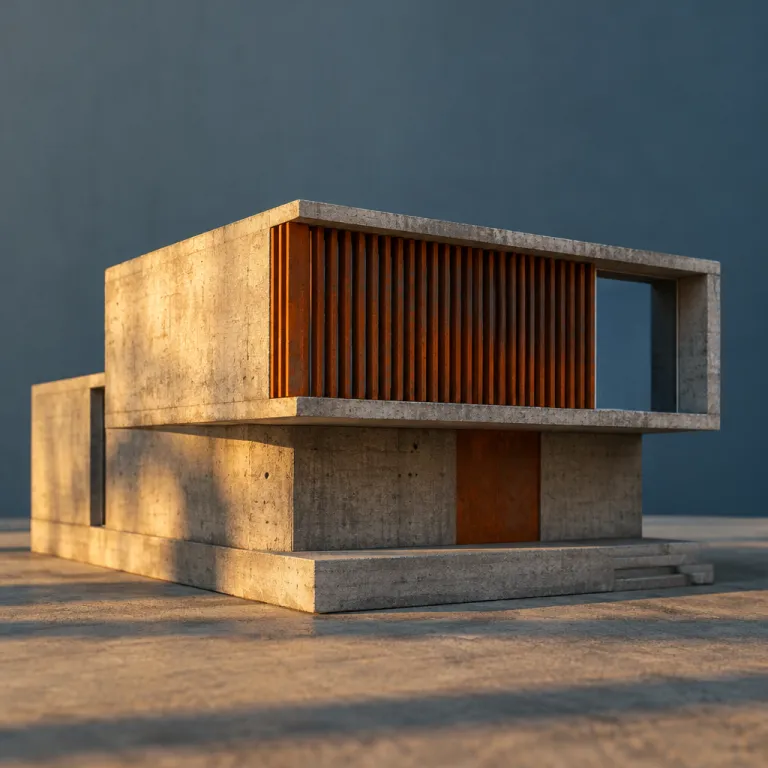
Why one building can anchor an entire weekend
Choosing a single building as your anchor turns an ordinary weekend getaway into a focused architecture weekend built around one design hotel or landmark. When you let one strong piece of architecture lead, every decision around the hotel, the park, the restaurants and the walks becomes sharper and more intentional. You stop chasing every sight in the guidebook and start reading the city through one architectural lens.
For the design literate traveler, a well chosen design hotel can be that anchor, because the hotel is not just where you sleep but the primary work of art you have come to see. Think of properties such as The Silo in Cape Town by Thomas Heatherwick, Hotel Puerta América in Madrid with its floor-by-floor roster of star architects, or the TWA Hotel at New York JFK, where Eero Saarinen’s restored terminal is the main attraction. The best hotels for this kind of trip are places where the architecture, the rooms and even the spa are conceived as one continuous narrative, so that staying there feels like inhabiting a piece of contemporary sculpture. In that context, an architecture focused weekend built around a design hotel means you book fewer activities yet come home with a clearer memory of place.
Think of it as curating a compact exhibition rather than ticking off a long list of attractions. You select one design hotel or one landmark building in the heart of a neighborhood and let its architectural character dictate your pace, your route and even your choice of gourmet restaurants. A stay at VitraHaus on the Vitra Campus in Weil am Rhein, for example, naturally leads to a weekend of walking between buildings by Herzog & de Meuron, Álvaro Siza, Zaha Hadid and Tadao Ando rather than crossing town for unrelated sights. This approach works especially well for business leisure travelers extending a work trip, because a single building within easy reach of the office can still deliver a complete weekend getaway without adding stressful transfers.
How to judge whether a design led hotel earns the trip
Not every stylish hotel deserves to be the reason you fly in for two nights, so you need a clear framework to decide when an architecture driven design hotel is worth the detour. Start by asking whether the property has a coherent architectural story, from the façade and lobby to the smallest details in the rooms and the most private suite. True design hotels feel designed in the round, with no generic corners and no spaces that could belong to any chain hotels in any anonymous bay.
Look for evidence that the architect and interior designer treated the building as a piece of architectural art rather than a backdrop for Instagram. That might mean a lobby where natural light, rock, timber and concrete are balanced to frame views of nature, or a spa where the pools and treatment rooms are carved into the structure like works of art. The Therme Vals in Switzerland by Peter Zumthor, for instance, uses stone, water and light to create a sequence of spaces that feels like a slow architectural journey. When you book, study floor plans and photography to see whether the hotel design creates a sequence of spaces that build anticipation, rather than a collection of disconnected beautiful rooms.
Location still matters, but in this model it serves the building rather than the other way around. A strong architecture weekend hotel will sit in the heart of a readable district, close enough to a park, a museum or a waterfront bay that you can walk everywhere within minutes. In many European cities, more than 60% of weekend visitors now stay three nights or fewer, which makes proximity even more important when every hour counts. For more on how short trips are changing and why three days often beat longer stays for busy travelers, see this analysis of how the three day trip now dominates global travel patterns, then apply that thinking to your own hotel choices.
Reading a city through one district, one museum, one façade
Once you have chosen your anchor building, the next step is to treat its surroundings as an open air annex of the same architectural story. A design hotel in the heart of a former industrial district, for example, might be surrounded by warehouses converted into galleries of contemporary art, small gourmet restaurants and quiet streets that reveal the city’s working past. In that case, your architecture weekend base becomes both your hotel and your primary interpretive tool.
Plan your 48 hours as a series of short, dense walks that radiate from the hotel rather than long cross town journeys that dilute the experience. Start with the immediate block, noting how the hotel’s architectural language either contrasts with or echoes the neighboring buildings, then extend your loop to the nearest park, waterfront or market. This way, the best hotels for architecture lovers help you read the city’s layers, from historic stone to avant garde glass, without ever needing to skip content by rushing between distant districts.
Transport choices can reinforce this slow, design first rhythm. Night trains in Europe, for example, now make it possible to arrive rested on a Friday morning, step straight into your chosen design hotel and spend the rest of the weekend on foot, which changes the weekend math entirely. Routes such as Paris–Vienna, Zurich–Berlin or Brussels–Vienna typically depart between 19:00 and 22:00 and arrive after 07:00, giving you almost two full days on the ground for the price of two nights on board. For a deeper look at how sleeper services reshape short trips, see this guide to the new generation of European night trains and their impact on weekend travel, then consider pairing one of those routes with a hotel whose architecture rewards slow exploration.
Design led itineraries for the business leisure traveler
If you travel frequently for work, you already understand that time is your scarcest resource, which is why an architecture centered hotel strategy can be so effective. Instead of adding a new city just for leisure, you extend your stay by two nights in a place you already know logistically, then shift hotels into a property whose architecture you genuinely want to inhabit. The right design hotel turns a familiar business district into a fresh landscape of works of art, gourmet restaurants and small parks you had previously ignored.
Build your itinerary around three anchors that all relate back to the building. First, the hotel itself, including its rooms, spa and any public spaces that showcase its hotel design, from staircases to rooftop terraces. Second, one cultural institution within walking distance, such as a museum of contemporary art or a concert hall with strong architectural credentials, where the exterior and interior have been carefully designed as a unified whole. Third, one natural element, whether that is a riverside path, a city park or a bay front promenade that lets you see how the city’s architecture meets nature.
To make this concrete, imagine a Friday to Sunday stay in Basel with the Vitra Campus as your anchor. You might land late Friday afternoon, check into a design hotel near the Rhine and take an evening walk along the river. Saturday could be a full day on the Vitra Campus, reached in about 30 minutes by tram and bus, moving between Herzog & de Meuron’s VitraHaus, Álvaro Siza’s factory building and Zaha Hadid’s fire station. Sunday morning might be reserved for one museum in the city center and a final walk through a park before a late afternoon flight. Because you are often booking close to your travel dates, pricing and availability matter as much as aesthetics. Look for shoulder season windows when even beautiful hotels with strong architectural identities offer better value, especially for Friday to Sunday stays. For a detailed breakdown of how to time these trips, consult this analysis of finding flight and hotel value once the summer rush has passed, then apply those principles to secure the best hotels for your next architecture focused weekend getaway.
Practical checklist for an architecture first weekend stay
Turning the idea of an architecture led weekend into a repeatable habit requires a simple, disciplined checklist. Start with the building’s credentials: who designed it, when it opened, what awards it has won and how critics describe its architectural concept, then decide whether that narrative genuinely excites you. Next, examine how the hotel uses materials such as stone, glass, timber and even exposed rock to frame views of nature, the city or the bay, because these details will shape how you feel in the rooms and public spaces.
Then move to the experience layer, which is where many otherwise beautiful hotels fall short. Ask whether the suite layouts, circulation routes and shared areas have been designed to encourage calm, privacy and a sense of progression, or whether they feel like generic hotels design with design elements added late in the process. Pay attention to how the spa, the bar and any gourmet restaurants are integrated into the overall hotel design, because in the best hotels these spaces feel like natural extensions of the architecture rather than separate venues.
Finally, consider how you will actually live in the building over 48 hours. Can you walk easily from the hotel to a park, a waterfront bay or a district of contemporary galleries without needing constant transport, and does the neighborhood around this design hotel feel safe and engaging at different times of day? Typical booking data from major hotel platforms suggests that many travelers now reserve city weekend stays 30 to 45 days in advance, so use that window to research how the area feels at night as well as during the day. If the answers are yes, you have likely found one of those rare beautiful hotels where the architecture, the location and the service align so well that the building itself becomes the destination for your next weekend getaway.
FAQ
How do I choose the right city for an architecture focused weekend ?
Start with cities where a single building or cluster of design hotels can be reached easily from the main airport or station, because this maximizes your usable hours. Look for places with a compact historic center or a clearly defined contemporary district, so you can walk between your hotel, a park, cultural venues and gourmet restaurants without long transfers. Then shortlist cities where at least one design hotel or landmark building genuinely interests you architecturally, rather than choosing a destination first and forcing the concept later.
What makes a hotel suitable as the centerpiece of a design led trip ?
A suitable property has a strong architectural identity, coherent hotel design and public spaces that feel like works of art rather than generic lobbies. The rooms, suites, spa and circulation areas should all feel deliberately designed, with materials, light and views used to create a clear mood. Ideally, the hotel sits in the heart of a walkable neighborhood, close to nature, culture and dining, so the building can anchor your entire weekend without constant transport.
How far in advance should I book an architecture driven weekend getaway ?
For popular design hotels in major cities, booking six to eight weeks ahead usually secures the best mix of rates and room types, especially if you want a specific suite or view. Shoulder seasons often offer better value, so consider dates outside peak holidays when beautiful hotels are less pressured. If you are extending a business trip, monitor corporate rates and flexible cancellation policies, then lock in the architecture focused hotel as soon as your meetings are confirmed.
Can this approach work if I am traveling with children ?
Yes, provided you choose a design hotel and neighborhood that balance architectural interest with access to parks, casual restaurants and simple activities. Look for hotels design that includes family friendly rooms or suites, and check that nearby attractions can be reached on foot or with short public transport rides. A single strong building can still anchor the trip, but you will shape the itinerary around shorter walks, more time in nature and flexible meal options.
How many buildings should I focus on during a two night stay ?
For a dense, memorable weekend, one primary building is usually enough, whether that is your design hotel or a major cultural landmark. You can add one or two secondary sites, such as a museum of contemporary art or an avant garde concert hall, as long as they are within the same district. The goal is to avoid scattering your attention, so that the architecture first weekend concept remains clear and the building you chose truly feels like the destination.