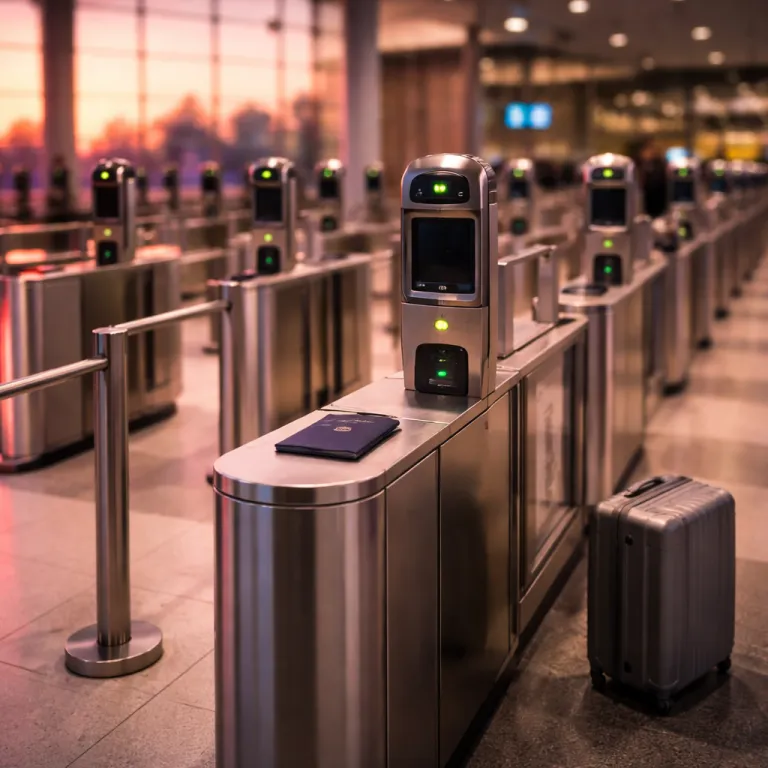
What the new biometric border system means for short stays
Europe’s new EES biometric entry system is quietly rewriting the weekend trip. For non EU travelers planning a short stay in the Schengen Area, the shift from ink stamps to a digital entry exit record changes how every hour at the border feels. The Entry Exit System, or EES, is an automated system recording non-EU nationals' entries and exits at Schengen borders.
Under this system EES, your passport is scanned, your facial image captured and, in many countries, fingerprints taken. The same EES biometric entry system replaces the manual check of each passport page with automated checks against shared European Union databases, which is designed to spot overstays and security risks faster. According to the European Commission, entries and exits registered since EES introduction already exceed 52 million, with 27 000 refusals of entry recorded and 700 persons identified as security risks.
For couples travelling short from the United States or other visa exempt countries, the headline change is time. First time travelers should allow extra minutes at the border for biometric enrollment, because the system will valid only once your data is captured correctly. On later European travel, the same valid passport will trigger quicker checks, as the system EES simply confirms your previous application of biometrics and your permitted day period of stay.
How EES works at airports and what to expect on arrival
At major European airports, the EES biometric entry system sits behind the glass of new e-gates and staffed lanes. Non EU travelers with a valid passport approach the border, scan the document, then follow on-screen questions and prompts for facial recognition or fingerprints. The goal is clear and stated by the European Commission : To enhance border security and replace manual passport stamping.
On a first trip to travel Europe for a short stay, expect a slightly longer process as your data enters the system EES for the first time. You may be asked questions about your planned stay, your next countries, and whether your passport expires within the next three months, because that affects how long you can remain in European countries. Once enrolled, later checks during European travel should be faster, especially where automated gates handle both the passport check and biometric verification in one flow.
Land borders in the Schengen Area are also rolling out the same system, which matters if you are travelling short between, for example, Italy and Slovenia by car. The same entry exit record follows you, so border police can check whether you respect the 90 day period in any 180 days. For a deeper breakdown of how these biometric borders affect itineraries, see our guide on what Europe’s new biometric borders mean for your next trip on Quick Getaway Guide.
ETIAS, timing your applications, and practical tips for weekenders
The EES biometric entry system is only one layer of the new European border architecture. A separate travel authorization called ETIAS, or the European Travel Information and Authorisation System, will apply to many visa exempt travelers, including most Americans, before they can travel Europe for leisure. When ETIAS is active, ETIAS will require an online application before departure, and many countries will link that authorization to the same system EES databases.
For couples planning European travel built around long weekends, the key is to apply ETIAS well before flights, not on the day of departure. The ETIAS application will ask questions about your identity, your valid passport, and your intended stay, and the system ETIAS will run automated checks against security and migration databases. Will ETIAS approvals be instant for every traveler, or will some applications face manual checks and delays ; those are among the most asked questions border agencies receive today.
Short haul planners should treat these new layers as part of the packing list, not an afterthought. Before travelling, check whether your passport expires within six months, confirm which European countries will require ETIAS, and read the official asked questions pages from the European Commission about both EES and ETIAS. For more timing strategies, including how to align border procedures with shoulder season escapes, our guide to planning a short escape and understanding New Zealand weather in May for your weekend trip on Quick Getaway Guide shows how to build admin time into any itinerary without losing a single dinner reservation.