Why a Colorado weekend hiking trip feels bigger than the calendar
A well planned Colorado weekend hiking trip compresses a week of scenery into two or three days. High altitude hiking in Colorado means you cross treeline, reach alpine lakes, and feel real elevation gain before Monday arrives. For solo travelers, these short trips in the mountains offer intensity without needing more than a long weekend.
The Front Range around Denver, Colorado gives you rare access to serious hikes within 90 minutes of a major airport. From the city’s central location you can reach a trail in the Rocky Mountain foothills faster than many coastal travelers reach their first beach walk. That density of trails means you can stack multiple day hikes, choosing a different elevation, distance, and difficulty each day of your trip.
Context matters when you compare Colorado hikes to coastal routes in Oregon or along the Atlantic. Coastal hikes often follow rolling paths with limited elevation gain and predictable weather windows. High altitude hikes Colorado style bring rapid weather shifts, steeper trail miles, and a sense of exposure that makes even short distances feel like serious mountain national objectives.
Trail managers and local partners treat this terrain with the seriousness it deserves. The Colorado Trail Foundation, which maintains the roughly 500-mile Colorado Trail between Denver and Durango, works with local hiking clubs to keep routes safe and clearly signed, according to its published stewardship reports. Their work, combined with National Park Service management in every national park, underpins the credibility of any Colorado weekend hiking itinerary you plan.
Researchers using mapping software and GIS tools have compared high altitude hiking to coastal hiking for years. Industry summaries from adventure travel associations highlight two clear trends: increased interest in high-altitude hiking and growing popularity of coastal trails, with both categories expanding as hiking, trekking, and walking become leading adventure activities.
High altitude versus sea level: what changes on the trail
High altitude hiking in Colorado is fundamentally different from walking a coastal trail at sea level. Reduced oxygen levels and weather variability define every hike above 2,500 meters (about 8,200 feet), even when the distance looks modest on paper. That is why any Colorado weekend hiking plan must be built around elevation, not just trail miles or pretty lakes.
Above treeline, the landscape opens into wildflower meadows, rocky ridges, and long views across multiple mountains. A day hike that climbs 800 meters (roughly 2,600 feet) of elevation gain in the Front Range will feel harder than a coastal walk of the same distance. The gain–difficulty combination is what makes short trips based in Colorado feel like real expeditions rather than simple strolls.
Coastal routes, such as the elegant weekend hikes along the Columbia River Gorge trails, offer lush forests and waterfalls but rarely the same thin air challenge. On those hikes, humidity and slippery rock are the main difficulty, not elevation or lack of oxygen. In Colorado, even difficulty-moderate trails can feel demanding because every step at altitude taxes your breathing and heart rate.
Weather patterns also separate mountain national terrain from sea level paths. In the Rockies, afternoon thunderstorms build quickly, turning a relaxed morning hike into a risky exposed ridge crossing by early afternoon. Coastal hikes usually face slower moving systems, while Rocky Mountain storms can form and pass within a single day hike window.
Trail design reflects these realities. Many of the best hikes in Colorado use switchbacks to manage elevation gain and protect fragile alpine lakes and meadows. Coastal trails often contour along cliffs or beaches, where distance rather than elevation defines the experience. For weekend trips, that means you must read topographic maps, not just trail descriptions, before committing to any hike Colorado offers.
Front Range access: turning Denver into your trailhead hub
Denver’s location makes a Colorado weekend hiking trip unusually efficient for travelers flying in after work. From Denver International Airport, you can reach trailheads near Boulder, Golden, or Estes Park in roughly 60 to 90 minutes by car. That short road trip converts a Friday evening arrival into a Saturday sunrise hike without wasting precious hours.
Within this Front Range corridor, you will find hikes Colorado locals treat as training grounds for bigger backpacking trips. Trails near Golden Gate Canyon State Park, Eldorado Canyon, and the foothills above Boulder offer difficulty-moderate options with manageable elevation gain. Many of these day hikes stay below 3,000 meters (about 9,800 feet), which is ideal for your first day while you acclimate.
Rocky Mountain National Park sits just beyond, anchoring many of the best hikes in the region. From Estes Park, you can reach alpine lakes, rocky ridgelines, and classic summit routes within short driving distance. A carefully chosen day hike in this national park can deliver mountain views, wildlife sightings, and varied trail miles without requiring technical skills.
For solo travelers who value density of experience, this Front Range setup is powerful. You can structure trips Colorado style where Saturday focuses on a moderate elevation gain hike and Sunday on a shorter recovery walk before your flight. That rhythm mirrors other curated weekend experiences, such as a gourmet pancake hike in Marin from Pan Toll to West Point Inn, but with thinner air and bigger mountains.
Public land managers and environmental agencies coordinate closely here, using data analysis and GIS mapping to monitor trail conditions. Local hiking clubs share real-time updates on snowfields, mud, and seasonal closures, which is crucial when planning a Colorado weekend hiking escape. This collaboration keeps both casual hiking and more serious hiking–backpacking itineraries safer and more predictable.
Designing a 2–3 day Colorado weekend hiking trip
Think of your Colorado weekend hiking trip as a three-act story rather than a checklist of summits. The first day should be a gentle acclimation hike, the second a bigger push to alpine lakes or a rocky ridge, and the third a shorter leg stretcher before travel. That structure respects both your body and the realities of mountain weather.
On day one, choose a difficulty-moderate trail between 8 and 12 trail miles (about 13 to 19 kilometers) with limited elevation gain. Aim for a location below 3,000 meters, perhaps in the foothills near Boulder or Golden, where the distance feels satisfying but not punishing. This first hike Colorado style lets you test your breathing, adjust your hiking–backpacking setup, and refine your pacing.
Day two is your main objective, when you target one of the best hikes in the Front Range or Rocky Mountain National Park. Consider a classic day hike to an alpine lake with 700 to 1,000 meters (2,300 to 3,300 feet) of elevation gain and a round-trip distance of 10 to 16 kilometers (6 to 10 miles). In summer, start early to avoid afternoon storms and to give yourself a generous time buffer for any unexpected difficulty.
If you are experienced and well acclimated, you might extend this into one of the shorter backpacking trips near the Continental Divide. An overnight near treeline lets you experience sunset and sunrise over the mountains, compressing two full days of light into a single trip. Just remember that elevation and exposure feel very different when carrying a full pack on rocky terrain.
Reserve your final day for a shorter outing, perhaps 5 to 8 kilometers (3 to 5 miles) with minimal elevation gain. This could be a lakeside walk in a lower park or a mellow forest trail that still offers views of the mountains. That last hike keeps your legs loose for travel while giving your Colorado weekend hiking experience a calm, reflective finish.
Safety, acclimation, and reading Colorado’s mountain weather
High altitude hiking in Colorado rewards preparation as much as enthusiasm. Acclimating safely within a weekend means arriving a day early if possible, hydrating aggressively, and choosing a moderate first day hike. Those steps reduce your risk of altitude sickness, which can derail even the best planned trips Colorado has to offer.
Experts summarizing the challenges of high altitude hiking are blunt: reduced oxygen levels and weather variability are the main constraints. Guidance from organizations such as the Wilderness Medical Society emphasizes gradual ascent, attentive self-monitoring, and prompt descent if symptoms appear. That single idea captures why a Colorado weekend hiking plan must be built around conservative choices.
Weather patterns in the Rocky Mountains follow a recognizable rhythm, especially in summer. Clear mornings often give way to building clouds by midday and thunderstorms in the afternoon, particularly above treeline. Plan your main elevation gain for early hours, aiming to be off exposed ridges and away from alpine lakes by early afternoon.
Permits and regulations vary by park and trail location, so check National Park Service and local land management sites before you go. Many of the most popular areas of Rocky Mountain National Park now use timed-entry or reservation systems during peak seasons, and these rules can change from year to year. For backpacking trips, expect additional permit requirements, bear canister rules, and designated campsite systems.
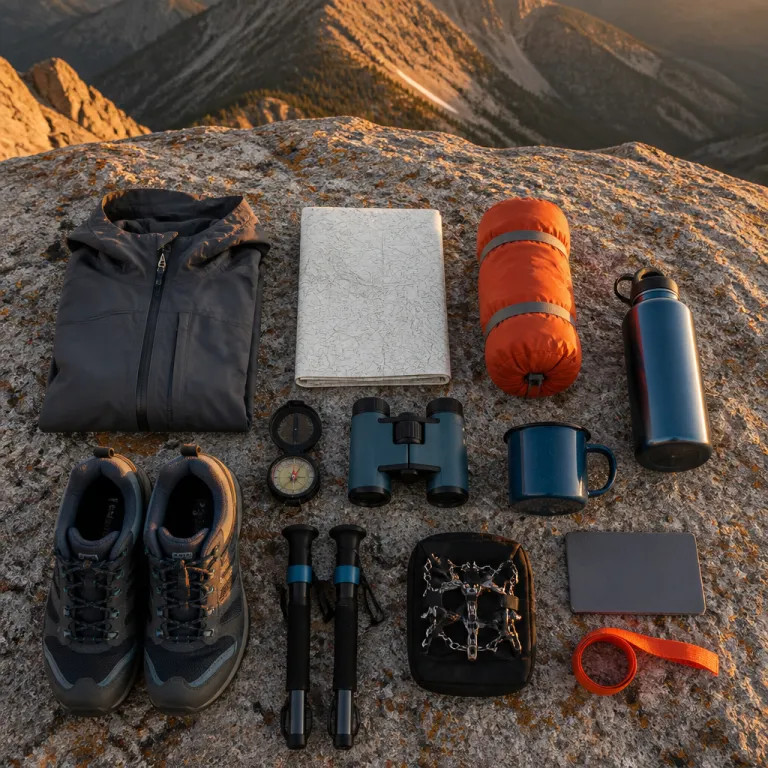
Gear choices should reflect both elevation and potential difficulty. A light but supportive hiking–backpacking setup, layered clothing for rapid temperature shifts, and reliable navigation tools are non-negotiable. Even on difficulty-moderate day hikes, carry extra food, water, and a headlamp, because a minor ankle twist on a rocky trail can easily extend your time outside.
Why Colorado beats coastal icons for a long weekend on foot
When you only have three days, a Colorado weekend hiking trip offers a level of intensity that coastal destinations rarely match. In that short window, you can move from city streets in Denver to alpine lakes framed by snow-streaked peaks. The contrast between urban convenience and high mountain national scenery is part of the appeal.
Coastal hikes along places like the Pacific Northwest or New England shores excel at mood and atmosphere. You get sea spray, forested bluffs, and long rolling trail miles with modest elevation gain and usually lower difficulty. Those trips are ideal when you want meditative walking rather than the physical challenge of steep Rocky Mountain paths.
Colorado, by contrast, delivers treeline crossings, summit approaches, and big-sky views in a compressed timeframe. Even short hikes Colorado offers near the Front Range can climb 600 to 900 meters (about 2,000 to 3,000 feet) in a single day, turning a few hours into a full-body workout. For many solo travelers, that gain–difficulty equation is exactly what makes these trips feel transformative.
Wellness trends also favor this kind of weekend. Hiking, trekking, and walking have become leading adventure activities, and many travelers now treat a Colorado weekend hiking escape as both fitness retreat and mental reset. Forest-bathing style walks in lower elevation park settings pair naturally with more demanding day hikes higher in the mountains.
If you enjoy pairing outdoor intensity with refined downtime, you can even structure your itinerary like other elegant weekend escapes. Spend Friday night in Denver, Saturday on a major day hike, and Sunday on a shorter walk before a late flight, mirroring the rhythm of refined weekend escapes in Luray or similar destinations. That balance between effort and ease is where Colorado quietly outperforms many more famous coastal hiking regions.
Where to go: specific routes for a high impact weekend
Turning theory into a real Colorado weekend hiking trip means choosing specific trails that match your fitness and time. Near Boulder, routes like Bear Peak or Green Mountain offer steep but manageable day hikes with 700 to 900 meters (2,300 to 3,000 feet) of elevation gain. These hikes Colorado locals favor provide rocky paths, forest sections, and summit views across the Front Range mountains.
In Rocky Mountain National Park, classic alpine lakes routes such as Emerald Lake or Sky Pond deliver concentrated drama. Distances range from roughly 6 to 15 kilometers (4 to 9 miles), with elevation gain and difficulty that remain accessible to fit hikers who pace themselves. Start early, carry layers, and expect sections of rocky trail that feel more like light scrambling than simple walking.
For travelers seeking a taste of backpacking trips without committing a full week, consider one-night routes near the Continental Divide. Shorter loops or out-and-back trails with 12 to 20 trail miles (about 19 to 32 kilometers) over two days let you sleep near treeline and wake to sunrise over the mountains. These hiking–backpacking itineraries demand careful attention to weather, but they turn a standard weekend into a compact expedition.
Autumn brings another dimension to any Colorado weekend hiking trip. Aspen groves along the Front Range and in mountain valleys ignite with fall colors, turning even difficulty-moderate hikes into visual events. Plan for cooler temperatures, shorter daylight hours, and the possibility of early snow at higher elevation.
Whatever combination of day hikes and overnight trips you choose, keep your focus on quality rather than quantity. A single well chosen day hike to a high lake or ridge can define your memory of the entire trip. In the end, that is what separates Colorado from many coastal destinations: the ability to step into truly big mountains for a day, then be back in the city before the weekend ends.
Key figures for Colorado high altitude hiking weekends
- The Colorado Trail runs for approximately 500 miles (about 800 kilometers) between Denver and Durango, offering a backbone for both long thru hikes and shorter section trips, according to the Colorado Trail Foundation.
- Many popular Front Range day hikes gain between 600 and 1,000 meters (roughly 2,000 to 3,300 feet) of elevation over 10 to 16 kilometers (6 to 10 miles), which is significantly steeper than most coastal trails of similar distance.
- Denver sits at about 1,600 meters (5,280 feet) above sea level, meaning travelers begin acclimating to altitude as soon as they arrive in the city, unlike coastal hubs at or near sea level.
- Typical summer thunderstorm windows in the central Rockies cluster between early afternoon and early evening, which is why many local hikers aim to be off high ridges by midday.
- Interest in high altitude hiking and other mountain activities has risen alongside broader growth in hiking, trekking, and walking as leading adventure travel pursuits, as reported by industry trend analyses.
FAQ about Colorado weekend hiking trips
What are the main challenges of a Colorado weekend hiking trip ?
The primary challenges are altitude, rapid weather changes, and managing elevation gain within a short timeframe. Trails that look moderate in distance can feel strenuous because of thin air and steep rocky sections. Careful planning around difficulty, hydration, and early start times helps keep these hikes safe and enjoyable.
How should I acclimate for high altitude hikes in Colorado ?
Arrive in Denver or another Front Range city at least a day before your biggest hike if possible. Use that first day for rest or a low elevation, difficulty-moderate walk while drinking plenty of water and avoiding heavy alcohol intake. On your main hiking day, choose a route with manageable elevation gain and be ready to turn back if you develop persistent headache, nausea, or unusual fatigue.
Why are Colorado trails considered different from coastal hikes ?
Colorado trails often climb quickly into high mountains, crossing treeline and exposing hikers to reduced oxygen and volatile weather. Coastal hikes usually follow gentler terrain with lower elevation and more stable conditions, where distance rather than elevation defines difficulty. For a weekend, that means Colorado can deliver summit-style experiences and alpine lakes in the same time coastal trips offer rolling shoreline walks.
Do I need permits for weekend hikes in Rocky Mountain National Park ?
Many popular areas of Rocky Mountain National Park now use timed entry systems or specific trailhead reservations during busy seasons. Day hikes may require only a timed-entry slot, while backpacking trips need additional wilderness permits and campsite reservations. Always check the National Park Service website for current rules before finalizing your Colorado weekend hiking trip.
Is a Colorado weekend hiking trip suitable for solo travelers ?
Yes, many solo travelers choose Colorado for weekend hikes because of the dense network of trails near Denver and other Front Range towns. Well marked routes, active local hiking communities, and reliable information from organizations like the Colorado Trail Foundation support safe solo trips. As with any solo hiking, share your itinerary, carry proper gear, and choose difficulty levels that match your experience.