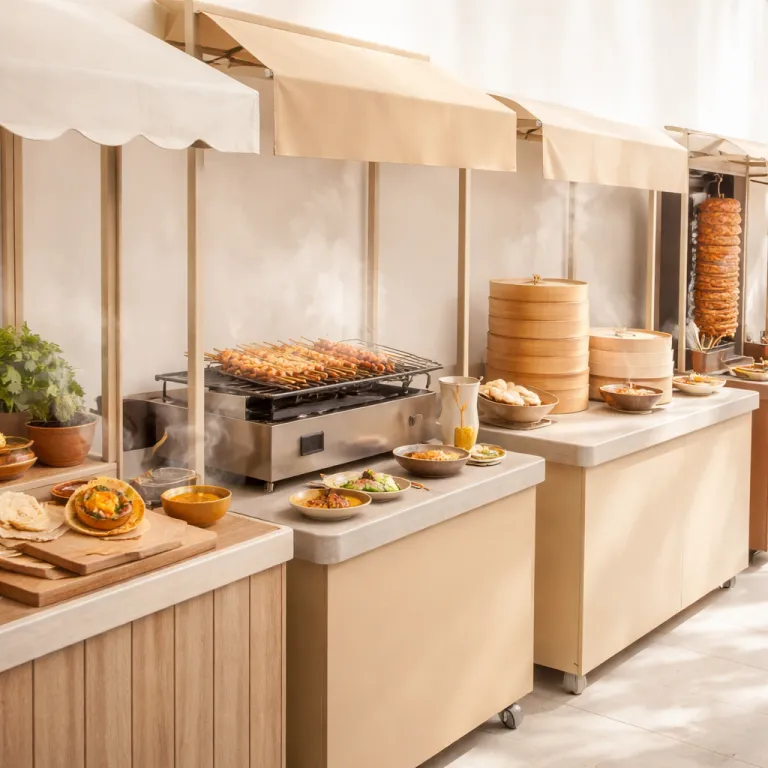
How to plan the best street food cities weekend trip
Think of a best street food cities weekend trip as a walking tasting menu. You land in a food city on Friday, and by Saturday lunch you already know which street food vendors you will miss on Monday. The goal is simple yet ambitious, to build an entire itinerary around eating on the street rather than sitting in restaurants.
For this kind of weekend, selection matters more than sheer size of the city. You want compact neighbourhoods, dense clusters of street food carts and food trucks, and a food scene where locals still treat pavement eating as the default rather than a novelty. Walkability, late night options, and reliable public transport turn a short break into a food best experience that feels like a longer escape.
Data from tourism boards and travel studies now confirms what frequent travellers already feel. A 2023 UNWTO snapshot on urban tourism notes that cuisine sits alongside price and location when people choose cities visited for a short break, and many say that street food culture excites them more than dining rooms with Michelin stars.1 A focused food blog style plan lets you taste a city’s character in 48 hours, often at a total cost that is 30 to 50 percent lower than a restaurant heavy itinerary.
Street food weekends also support local vendors directly. In Bangkok alone, city authorities and the Bangkok Metropolitan Administration have estimated tens of thousands of licensed and informal vendors, with some sources citing around 20 000 active stalls across the metropolitan area.2 When you eat at a food truck, a hawker cart, or a tiny stand serving one perfect dish, your money stays in the neighbourhood and sustains a living food culture rather than a distant corporate owner.
Safety is the question that always follows enthusiasm. Official guidance from tourism and health agencies aligns with what experienced travellers practice on every food focused weekend. As one widely shared advisory from the US Centers for Disease Control puts it, “Is street food safe to eat? Generally safe; choose busy stalls with high turnover.”3
Planning tools have caught up with this appetite for eating on the move. Local maps, translation apps, and real time food guides make it easy to track down the top street vendors in unfamiliar cities, even when you do not share a language. Many travellers now treat a curated street food crawl as the central event of the weekend, with museums, markets, and nightlife orbiting around key eating windows.
Economics are firmly on your side when you eat this way. In Mexico City, for example, local consumer price surveys show that a generous street food meal can cost the equivalent of a couple of US dollars, while a mid range restaurant dish may be several times that amount.4 Over a two night stay, choosing street food in multiple cities visited can cut your overall food budget dramatically without sacrificing quality.
There is also the question of pace. Street eating lets you sample more dishes in less time, from hot dogs at a corner stand to raw tuna tostadas at a market stall, without committing to long restaurant sittings. That density of experience per hour is what makes a food city ideal for a short break, especially for solo travellers who prefer movement to multi course formality.
Bangkok: Yaowarat nights and morning markets
Bangkok is the purest expression of a food city built for the street. In Yaowarat, the Chinatown district, neon signs glow above a continuous run of street food vendors, carts, and tiny shophouse kitchens. You can eat well here without ever opening a restaurant door, which makes it perfect for a tightly planned best street food cities weekend trip.
Arrive on Friday evening and head straight to Yaowarat Road. Start with a bowl of peppery noodle soup from one of the stainless steel carts, then move to grilled seafood, skewers, and smoky bbq pork from vendors who have worked the same stretch of street for decades. Classic stops such as T&K Seafood or Rut & Lek draw steady queues from around 6 pm until close to midnight, and the eating rhythm is simple, one dish per stop, never more than a few minutes’ walk between flavours.
Bangkok’s food scene rewards early risers as much as night owls. On Saturday morning, cross the city to a wet market where breakfast means rice porridge, fried dough, and iced coffee served from mobile food carts. At Or Tor Kor Market, for instance, many cooked food stalls open from around 7 am and stay busy through late morning. This is where you feel the food culture most strongly, watching office workers and families eat side by side at plastic tables, the best street snacks arriving faster than you can photograph them for your blog.
With an estimated tens of thousands of vendors operating across the city, choice can feel overwhelming. Focus on streets where several carts cluster together, because high turnover keeps ingredients fresh and the food best in class. Typical prices range from 40 to 80 Thai baht (roughly one to two US dollars) for a bowl of noodles or a plate of stir fry, low enough that you can treat each stall as a single course, turning a few hundred baht into a multi stop tasting menu that would be a worth trip on its own.
Night markets define the second half of your weekend. On Saturday evening, follow local recommendations to a market where grilled seafood, stir fried noodles, and regional dishes from across Thailand line the aisles, each stall specialising in one or two items. At venues like Jodd Fairs, most vendors open in the late afternoon and run until around 11 pm, and this is where you see how a food truck style operation, even when it is just a cart on a corner, can anchor an entire micro neighbourhood.
Sunday morning is for a slower circuit through a residential district. Look for vendors selling fresh fruit, iced drinks, and simple rice dishes from pushcarts, then sit on a low stool and watch the city wake up. For more context on how markets shape local life, the detailed guide to the market experience in Birch Bay on Quick Getaway Guide offers a useful framework that you can adapt to Bangkok’s far denser streets.
Practicalities are straightforward for a solo explorer. Public transport links most major food areas, and short taxi rides fill the gaps between markets when heat or rain makes walking less appealing. Carry small notes, expect to pay in cash at most carts, and remember that queues are usually the most reliable guide to the top street vendors in any Bangkok neighbourhood.
Hygiene standards vary, but patterns are clear once you pay attention. Choose stalls where you can see food cooked to order, avoid anything that has been sitting in the sun, and follow locals to the busiest soup pots and grills. With these habits, and by drinking bottled or filtered water, Bangkok becomes one of the safest and most rewarding food cities for a weekend built entirely around eating on the street.
Mexico City: markets, tacos, and late night sidewalks
Mexico City is the definitive example of a metropolis where street food shapes daily life. For a best street food cities weekend trip, few places offer such a dense mix of markets, taco stands, and casual carts within a short radius. The key is to treat each neighbourhood as its own food city, with distinct rhythms and specialties.
Base yourself near Roma or Condesa to keep most of your eating within walking distance. On Friday evening, start with a gentle taco crawl, moving from al pastor carved off a vertical spit to griddled suadero and crisp carnitas, each from different vendors. Stands such as El Vilsito in Narvarte or Taquería Orinoco in Roma typically open from late afternoon until the early hours, and a single taco is rarely more than the equivalent of a couple of US dollars, which makes this one of the most economical food scenes among major cities visited.
Saturday belongs to the markets. Spend the morning at a covered market where juice stands, fondas, and snack carts share space with produce stalls, then shift to a more specialised food truck style cluster in the afternoon. At Mercado de Coyoacán, for example, many food counters operate roughly from 9 am to 5 pm, and you might eat raw tuna tostadas at one stand, then move to a stall serving hot dogs with local toppings, before finishing with a traditional dish like pozole or quesadillas made to order.
Evenings show another side of the city’s food culture. Sidewalk grills appear outside bars and on busy corners, selling everything from corn on the cob to late night tacos, while mobile food carts weave through residential streets. This is where you feel how deeply street food is woven into social life, with families, couples, and solo diners all eating on the same stretch of pavement.
Economically, a weekend focused on street food in Mexico City can cost half as much as one centred on sit down restaurants. You still access the same ingredients and culinary traditions, but you pay for the dish rather than the dining room. That difference becomes obvious when you compare a market lunch of 80 to 120 pesos to a restaurant meal in Roma Norte, especially if you are tracking the overall budget of your trip.
Planning your hours matters as much as choosing the right vendors. Many markets peak in the late morning, while taco stands often hit their stride after dark, so structure your day around these waves of eating. If you are used to wine focused weekends, the guide to weekend wine tours on Quick Getaway Guide offers a useful template for pacing tastings that you can easily adapt to a taco and market crawl.
Safety and logistics are manageable with basic preparation. Stick to busy areas, use public transport or licensed taxis between distant neighbourhoods, and carry small change for quick transactions at food carts. Most stalls operate on a cash basis, though some modern food trucks in trendier districts now accept cards or mobile payments.
For a solo explorer, Mexico City’s street food offers both anonymity and connection. You can eat quietly at a standing counter or strike up a conversation with the taquero while your tortillas warm on the grill. Over a single weekend, that combination of flavour, affordability, and human contact makes the city one of the top street destinations for anyone serious about building trips around eating.
Istanbul and Palermo: two coasts, two street food cultures
Istanbul and Palermo sit on different seas, yet both feel purpose built for a best street food cities weekend trip. Each city offers a compact historic core, strong public transport, and a food culture that spills naturally onto the street. For a traveller chasing food cities rather than beaches, they form a compelling pair.
In Istanbul, focus on the Asian side and the Kadiköy district in particular. Ferries from the European shore deliver you straight into a grid of streets where simit sellers, fish sandwich vendors, and dessert carts line the pavements, creating a continuous truck scene without actual trucks. You can eat breakfast pastries, grilled fish, and late night snacks without ever sitting down in formal restaurants.
Markets anchor the city’s food scene. Spend Saturday weaving through Kadiköy’s market streets, where spice shops, pickle stands, and prepared food counters sit side by side, then pause at a stall for a simple dish of beans and rice or stuffed vegetables. In the evening, follow locals to a waterfront area where hot dogs, corn, and other snacks appear from mobile carts as the sun sets over the Bosphorus.
Palermo, on Sicily’s northern coast, offers a different but equally intense street food culture. The Ballarò and Vucciria markets turn into open air dining rooms, with vendors frying panelle, grilling meat, and assembling sandwiches at a pace that keeps the air thick with smoke. Here, the best street snacks are often the most humble, yet they tell you more about the city than any museum ticket.
Walkability is Palermo’s secret advantage. You can cross from one historic market to another in minutes, eating as you go, which makes it ideal for a tightly scheduled weekend. A typical day might include breakfast pastries from a corner bar, a mid morning arancina from a street stall, and a late night sandwich eaten standing up in a crowded alley.
Both cities reward attention to timing. Istanbul’s morning markets are busiest early, while Palermo’s street food often peaks in the evening when locals gather after work, so plan your eating windows accordingly. If you enjoy structured experiences, the adventure weekend trips guide on Quick Getaway Guide shows how to layer activities around a central theme, a method that translates neatly to food focused weekends.
Economically, these coastal cities sit between the ultra cheap markets of Southeast Asia and the higher prices of northern Europe. You will still spend less than on a restaurant heavy itinerary, especially if you rely on street food for breakfast and lunch, then choose one sit down meal for context. That balance keeps costs reasonable while still allowing you to sample the full range of each city’s food culture.
Neither Istanbul nor Palermo is about Michelin stars when it comes to weekend street eating. Instead, the prestige lies with vendors who have held the same corner for years, perfecting a single dish and serving it to generations of locals. For a solo explorer, that continuity offers both comfort and a direct line into the everyday life of two very different yet equally compelling food cities.
Osaka and beyond: Asia’s street food capitals in 48 hours
Osaka is often described as Japan’s kitchen, and for a best street food cities weekend trip it more than earns the title. The Dotonbori and Shinsekai districts concentrate so many stalls, counters, and casual eateries that the streets themselves feel like one long open air restaurant. You come here to eat on the move, not to linger over white tablecloths.
Start your weekend in Dotonbori, where takoyaki stands and okonomiyaki counters compete for your attention under a riot of neon signs. Each vendor specialises in a narrow range of dishes, which lets you sample more flavours in a single evening than a traditional restaurant meal would allow. The food scene here is loud, bright, and relentlessly focused on eating rather than ceremony.
Shinsekai offers a slightly slower pace but equally compelling food. Kushikatsu, deep fried skewers of meat and vegetables, dominate the area, with small shops and carts lining the streets, each promising its own version of the best street skewers. You eat standing or on simple stools, dipping each piece into shared sauce, then moving on when you are ready for the next round.
Beyond Osaka, other Asian cities fit naturally into a street food focused circuit. In Vietnam, both Ho Chi Minh City and the imperial city of Huế offer dense networks of vendors serving soups, grilled meats, and rice dishes from carts and tiny shopfronts, often late into the night. A weekend in either city can revolve entirely around eating on the street, from morning phở to late night snacks.
Bangkok, already discussed, anchors this broader map of Asian food cities. Together with Osaka and the Vietnamese cities, it forms a triangle of destinations where street food is not a trend but the backbone of daily life. For a traveller building a personal list of cities visited for their food culture, these places sit near the top.
Planning across multiple destinations means paying attention to local norms. In Japan, queues and orderly lines dominate, while in Vietnam you may need to be more assertive when ordering at busy carts, yet in both cases the basic rules of choosing busy, clean looking vendors apply. The same logic holds whether you are eating dim sum style snacks in a Hong Kong alley or sampling grilled fish in a market near the Pacific Islands.
Cost comparisons highlight why these cities work so well for short trips. A weekend of street food in Osaka or Ho Chi Minh City will usually cost significantly less than a restaurant focused stay in cities like New York or London, even when you factor in a few sit down meals. That difference frees budget for flights or an extra night, extending the worth trip without compromising on quality.
For a solo explorer, these Asian capitals offer a rare combination of safety, culinary depth, and constant activity. You can eat late without feeling isolated, move between districts using efficient public transport, and structure each day around a sequence of small, memorable dishes. Over time, these weekends accumulate into a personal atlas of food cities, each mapped not by monuments but by the streets where you chose to eat.
Street food logistics: safety, budgets, and reading a city
Building a best street food cities weekend trip around eating on the street demands a little structure. Think of your days as a series of windows, morning markets, midday snacks, late afternoon lulls, and night markets or busy streets after dark. Within those windows, you move between vendors, carts, and occasional food truck clusters, always leaving room for one more dish.
Food safety is less mysterious once you know what to look for. The most reliable rule is to follow local crowds, because high turnover keeps ingredients fresh and signals trust in the vendor, especially in cities where street food is part of daily life rather than a tourist show. Remember the simple guidance often shared by travel health experts, “How much does street food cost? Varies by city; typically affordable, ranging from $1 to $5 per item.”5
Budgets are easier to manage on a street focused weekend than on a restaurant heavy one. You pay per dish, often in small increments, which lets you track spending in real time and adjust on the fly, whether you are in Mexico City, Bangkok, or Osaka. Over a two night stay, that flexibility can reduce your total food costs by a third or more compared with a schedule built around formal restaurants.
Payment habits vary between cities. In some places, especially parts of Europe and North America, modern food trucks and food carts accept cards or mobile payments, while in others cash remains essential for most street vendors. Carrying local currency in small denominations keeps transactions quick and avoids awkward moments at busy stalls.
Street food also offers a rapid education in local culture. Watching how people queue, share tables, or interact with vendors tells you as much about a city as any guided tour, whether you are in a port district near the Pacific Islands or a dense urban quarter in a major Asian metropolis. For more ideas on structuring immersive weekends around a single theme, the adventure weekend trips feature on Quick Getaway Guide provides a useful planning blueprint.
Not every famous city excels as a food city for street eating. Some destinations focus more on fine dining and Michelin stars, with limited truck scene activity or strict regulations that push vendors off central streets, which can make them less suitable for this specific style of weekend. When choosing where to go next, prioritise places where street food remains part of everyday life rather than a curated attraction.
Finally, remember that street food is not a monolith. From hot dogs in New York to raw tuna tostadas in Mexico City, from dim sum style snacks in Asian markets to grilled meats in European squares, each dish reflects a particular history and set of influences, sometimes even touching on complex stories involving places as distant as North Korea. Treat each plate as a small lesson in food culture, and your weekends will feel richer long after the last bite.
FAQ
Is street food generally safe to eat on a weekend trip ?
Street food is generally safe when you choose busy stalls with high turnover and visible cooking. Look for vendors who handle money and food separately, keep ingredients covered, and cook dishes to order. If locals are queuing in significant numbers, that is usually the strongest safety signal.
How much should I budget per day for street food ?
Daily budgets vary by city, but in many major street food destinations you can eat well on 10 to 25 euros per day. That range usually covers multiple small dishes, drinks, and snacks from different vendors. Restaurant focused days in the same cities often cost at least 30 to 50 percent more.
Are vegetarian options easy to find at street food stalls ?
Most major street food cities offer at least some vegetarian options, especially in markets and areas with high local foot traffic. You may find vegetable skewers, noodle dishes, stuffed breads, or fried snacks that contain no meat. Learning a few key phrases in the local language helps you confirm ingredients directly with vendors.
How can I tell which street food vendors are the best ?
The most reliable indicators are long queues of locals, high ingredient turnover, and a focused menu of just a few dishes. Clean equipment, organised workspaces, and confident, efficient service also signal quality. Online maps and food guides can help you shortlist areas, but final choices are best made on the street.
What is the best way to structure a street food weekend itinerary ?
Plan around meal windows rather than attractions, with morning markets, light midday snacks, and heavier evening eating in night markets or busy districts. Cluster your activities within walkable neighbourhoods so you can move easily between stalls and carts. Leave some unplanned time each day to follow unexpected smells, queues, or local recommendations.