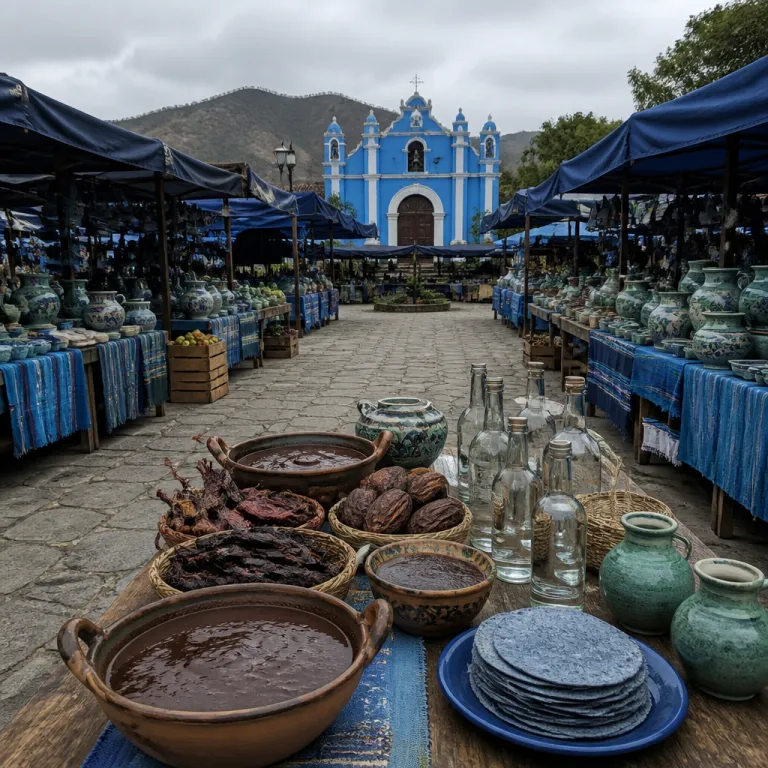
Why an Oaxaca food travel weekend belongs on your short-trip list
Oaxaca is the rare city where a long weekend can feel like a full culinary education. In this compact corner of southern Mexico, a focused three-day escape lets you move from pre-Hispanic markets to contemporary kitchens in the span of a single day. The density of food, history, and mezcal culture in Oaxaca City rewards travelers who measure their trip in meals rather than in museum stops.
For couples used to quick escapes from Mexico City or the United States, the scale of the city center is ideal. You can walk almost everywhere in the historic centro, tasting Oaxacan street food on each Oaxaca street you cross, and still have time for slow mezcal tastings at dusk. This is not a city you rush through on a layover; it is a place that invites you to inhabit it for at least one long weekend, ideally three days that you dedicate almost entirely to food tours, market visits, and a carefully planned mezcal tour.
The global rise of culinary travel means Oaxaca now sits alongside major capitals in conversations about the best food destinations. Culinary experiences have become one of the most sought after forms of active leisure travel, and a short Oaxaca gastronomy break fits perfectly into that trend. Here, food is the itinerary, mezcal palenques are the afternoon activity, and guided walks through markets replace generic city tours, creating a trip the city will imprint on your palate for years.
Designing a 48 to 72 hour eating strategy in Oaxaca City
Think of your Oaxaca food travel weekend as a three-act play, structured around time of day and neighborhood. On day one, arrive in Oaxaca City by late morning, drop your bags at your casa, and head straight to the markets in the centro before the crowds peak. This first day is about orientation; you will explore the city through its smells and sounds long before you sit down to a formal food tour.
Start at Mercado Benito Juárez (between Calle Flores Magón and Las Casas), a covered maze where Oaxacan ingredients define the region’s cooking language. Here, market vendors sell everything from fresh squash blossoms to strings of chiles and wheels of quesillo, and you can already taste how the city’s history lives in its food. Cross the street to Mercado 20 de Noviembre, often called Mercado Noviembre, where the famous pasillo de humo (smoke corridor) grills meat over open flames and sets the tone for the rest of your stay in Oaxaca.
For couples used to squeezing a city into 48 hours, Oaxaca rewards a slower rhythm. Use a framework similar to any tightly planned urban escape, such as the approach outlined in a 48 hours in one city planning guide, but swap museums for mole tastings and rooftop bars for mezcal palenques. Reserve one evening at Casa Oaxaca El Restaurante on Calle Constitución, the dining room that helped define contemporary Oaxacan cuisine under chef Alejandro Ruiz, and leave another night open for a more spontaneous food tour through the city center, guided by where the best street food smells are drifting.
Markets, moles, and the streets that feed the city
The markets of Oaxaca are the backbone of any serious Oaxaca food travel weekend. Central de Abastos, a sprawling wholesale market on the edge of the city about a 10-minute taxi ride from the zócalo, is where local chefs, market vendors, and home cooks converge to buy ingredients that will become the day’s moles, tamales, and street food. It can feel overwhelming on a first trip, so many travelers start with guided tours that explain how each stall fits into the city’s food ecosystem.
Mole, the emblematic Oaxacan sauce, is not a single recipe but a family of preparations built from chiles, spices, nuts, and sometimes chocolate. Local culinary schools and food tours often highlight the seven classic varieties commonly cited in regional cookbooks: mole negro, mole rojo, mole coloradito, mole amarillo, mole verde, mole chichilo, and manchamanteles. Tasting mole negro, mole rojo, and coloradito side by side reveals how history, trade, and geography shaped the plate in Oaxaca City. When you have visited more than once, you start to notice how each casa and each don guarding a family recipe adjusts sweetness, smoke, and heat over the years.
Back in the compact centro, the streets around Templo Santo Domingo and the adjacent cultural complex form a perfect afternoon circuit. You can walk from Santo Domingo down any Oaxaca street and find tlayudas grilled over charcoal, memelas topped with asiento, and chapulines sold in paper cones, all within a few minutes of the city center. For travelers who love short stays in characterful destinations, Oaxaca’s walkability rivals European coastal towns that have reinvented themselves for weekend travelers, but here the focus is firmly on what you eat between each church and plaza.
Mezcal palenques, valley excursions, and Monte Albán between meals
No Oaxaca food travel weekend is complete without time dedicated to mezcal, the agave spirit that has become a global symbol of Mexico’s craft distilling. While mezcal bars in Oaxaca City offer polished tasting flights, the most instructive experiences happen at mezcal palenques in the surrounding valleys, where mezcal producers still roast agave hearts in earthen pits. Rising global interest in mezcal has increased production by millions of liters over the past decade; for example, Associated Press reporting in 2019 noted that output in Oaxaca alone had more than doubled in roughly five years (Associated Press, 2019), yet the best palenques maintain small scale methods that keep a direct link between land, plant, and glass.
Plan one day of your trip for a combined cultural and mezcal tour outside the city. Many local tour operators offer guided excursions that pair a morning visit to Monte Albán, the pre-Columbian archaeological site perched above the valley about 25 minutes from the centro, with afternoon stops at family run palenques in villages such as Santiago Matatlán or Santa Catarina Minas, and this structure works well for a long weekend because it balances food, history, and landscape. During these tours, you often hear the same explanation repeated with clarity: “Mezcal is made from various agave species; tequila from blue agave.”
Between tastings, you will notice how the rural streets and small casas around Oaxaca contrast with the denser centro, yet both worlds feed into the same Oaxacan table. Some couples choose to add interactive cooking classes in village casas, learning to stuff squash blossoms or press tortillas before returning to the city center for a late dinner. Others prefer to keep the day lighter, using the travel time back from the valley to plan which Oaxaca street food stalls they will revisit that night, turning the return drive into a moving strategy session for the rest of the weekend.
Street food, timing your visit, and making every hour count
Street food is where an Oaxaca food travel weekend becomes intimate, because you are eating what the city eats on its own time. Early in the day, memelas and tamales appear on corners near offices and schools, while late at night the best tlayudas emerge on Oaxaca streets that look quiet until the grills flare. A focused food tour that runs across different times of day will show you how the same street can host breakfast, lunch, and midnight snacks, each with its own rhythm.
For couples planning a long weekend, timing your visit to Oaxaca matters almost as much as choosing the right casa. Shoulder months around October and November often bring milder temperatures, fewer crowds, and better access to markets like Mercado Noviembre and the Central de Abastos, and this makes it easier to explore without rushing from stall to stall. These months also align with important cultural events in Mexico, including Día de Muertos at the start of November, so the city center feels charged with energy, yet you still have space to move between Santo Domingo, the zócalo, and your chosen food tours.
Short trip specialists know that weather and daylight shape how much of a city you can taste in a weekend. The same logic that applies when planning a short escape in other destinations holds true in Oaxaca, where cooler evenings are ideal for mezcal tastings and street food walks. Pack comfortable shoes, bring enough cash for markets that do not accept cards, and leave room in your schedule for unplanned stops, because the best moments of any visit often happen when you follow the smell of grilled meat down an unmarked alley.
Practical planning: where to stay, how to move, and who feeds you
Choosing where to stay in Oaxaca City can shape the entire feel of your Oaxaca food travel weekend. A casa near the city center or close to Santo Domingo lets you walk to most markets, restaurants, and mezcal bars, turning every transfer into an opportunity to sample new street food. Staying slightly outside the densest part of the centro can offer quieter nights, but you will want to be within a fifteen minute walk of the main Oaxaca streets where food tours usually begin.
Local chefs, mezcal producers, and market vendors are the real actors behind your weekend, even if you only meet them briefly. Many guided tours are run in partnership with culinary schools and local tour operators, and these collaborations often include interactive cooking classes that deepen your understanding of Oaxacan history and technique. A well curated food tour will usually include Mercado Benito Juárez, Mercado 20 de Noviembre, at least one stop for squash blossoms in season, and a structured mezcal tasting that introduces you to several palenques without requiring you to drive.
Transport within the city is straightforward, with most visitors relying on walking and short taxi rides between the centro and outlying neighborhoods. For excursions to Monte Albán or rural mezcal palenques, organized tours or private drivers are safer and more efficient than self driving, especially if you plan to taste mezcal throughout the day. However you structure your time in Oaxaca, keep the focus on food, mezcal, and markets, and you will leave feeling that every hour of your long weekend was used with intention rather than lost to logistics.
FAQ
What is mole and why is it central to Oaxacan cuisine?
Mole is a traditional Oaxacan sauce made from combinations of chiles, spices, nuts, seeds, and sometimes chocolate, slow cooked into a complex, layered preparation. In Oaxaca City, you will encounter several types, including mole negro, mole rojo, and coloradito, each reflecting different regional histories and ingredient profiles. Local culinary tours often highlight that there are seven main mole varieties in the region, and tasting them side by side is essential during an Oaxaca food travel weekend.
How is mezcal different from tequila during tastings in Oaxaca?
When you visit mezcal palenques around Oaxaca, guides will explain that mezcal can be made from many agave species, while tequila must be produced from blue agave grown in specific regions. Traditional mezcal is usually roasted in underground pits, which gives it a smoky character that contrasts with the cleaner profile of most tequila. This production method, combined with small batch distillation, makes mezcal tastings in the valleys around the city a key part of any trip focused on food and drink.
Which markets should I prioritize on a short food focused weekend?
For a first Oaxaca food travel weekend, prioritize Mercado Benito Juárez and Mercado 20 de Noviembre in the centro, as they are compact, accessible, and dense with Oaxacan street food. If you have more time, add Central de Abastos for a deeper look at how the city feeds itself, though it is larger and more chaotic. These markets, combined with smaller neighborhood tianguis, will give you a broad view of how ingredients move from field to table in Oaxaca.
Is a guided food tour worth it if I prefer exploring alone?
Self guided exploration works well in Oaxaca City because the centro is walkable and full of visible street food, but a structured food tour can accelerate your understanding of local dishes. Guided tours often include behind the scenes access to market stalls, introductions to local chefs, and curated mezcal tastings that would be difficult to arrange independently in a single day. Many travelers combine one formal food tour with the rest of the long weekend left open for spontaneous eating.
How many days do I need for a meaningful Oaxaca food trip?
A focused long weekend of 48 to 72 hours is enough for a meaningful Oaxaca food travel weekend if you plan carefully. With two full days and one partial day, you can visit key markets, taste several mole varieties, join at least one mezcal tour, and sample a wide range of street food. Travelers with more time can add extra days for cooking classes, additional mezcal palenques, or slower exploration of neighborhoods beyond the city center.
References
Adventure Travel Trade Association, AdventureTravelNews – trends in culinary and adventure travel.
Oaxaca Auténtico – overview of the seven classic moles of Oaxaca, including mole negro, rojo, coloradito, amarillo, verde, chichilo, and manchamanteles.
Associated Press (2019) – reporting on growth in mezcal production volumes in Oaxaca and other Mexican states.