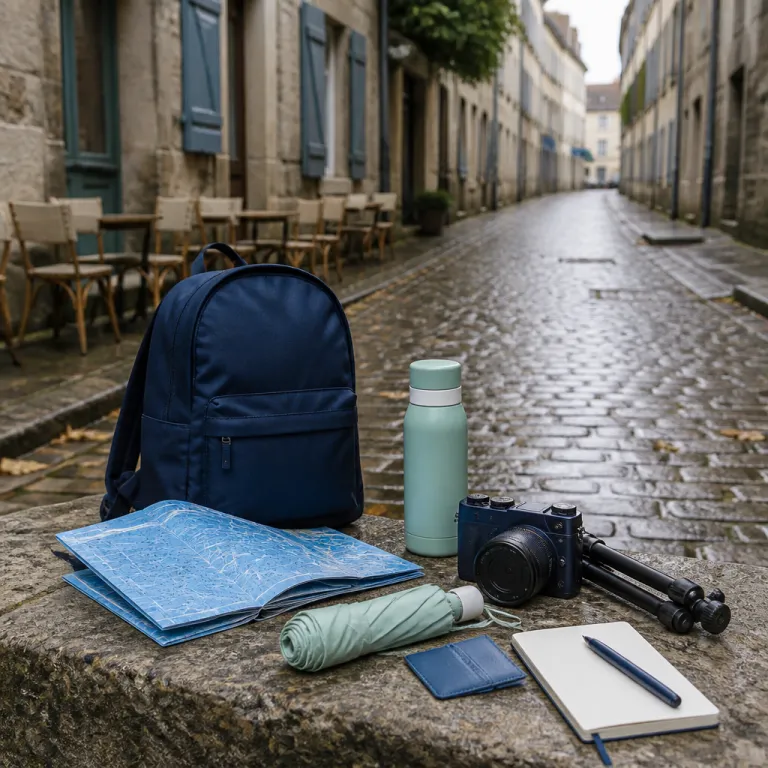
What makes a september city break in Europe genuinely work
A september city break in Europe works when the streets feel lived in again, not besieged. The best european city for this moment gives you warm evenings, a walkable city centre, and cultural attractions restarting their full programme after the long summer pause. You arrive for a short break and feel the city exhale just as you unpack at your hotel.
Think of a september city break Europe as a precision trip, not a vague escape. You want a city break where daytime temperatures sit comfortably in the low twenties Celsius, so you can walk between historic squares and riverside paths without chasing shade every few minutes. That leaves you with time to linger in cafés, talk to local residents, and still have energy for a late dinner in town.
What separates the best city breaks from the rest is density of experience per day. In the right european city you can visit a major museum, take a slow lunch, and still fit in a neighbourhood day trip without feeling rushed. There are plenty of places to visit that promise this, but only a few deliver a perfect city rhythm where your two night stay feels like a full week.
Dodging the new September peak: where to go instead
September used to mean empty piazzas and cheap European flights, but the secret is out. Many classic city breaks Europe such as Venice, Dubrovnik, and central Paris now feel like a second high season, with cruise crowds and late family travel stretching well into the month. A smarter september city break Europe steers towards cities that stay liveable even when visitor numbers rise.
Look at mid sized destinations where the historic core is compact, but the residential districts still feel local. Cities like Ljubljana, Porto, and the smaller towns of the Czech Republic balance cultural attractions with everyday life, so a city break there still feels grounded. When you book flights, consider late evening arrivals that let you walk through the city centre after dark and feel the real pulse before the day trippers return.
Airlines have noticed this shift, and routes now reflect the new September peak. Carriers such as British Airways add capacity on classic break destinations, while regional airlines quietly expand to secondary airports that serve more relaxed european city options. For transatlantic travellers, new services like the recent Alaska Airlines routes into Europe, highlighted in this analysis of game changing Seattle connections, can turn a long weekend trip into a realistic plan rather than a fantasy.
Southern warmth versus central calm: timing your September weekend
Not every september city break in Europe feels the same from week to week. Early in the month, southern Europe still leans towards summer, with cities like Seville or Athens often too hot for a comfortable city break unless you are prepared for late night schedules. By the final week, central european city destinations such as Vienna or Prague settle into crisp mornings and long golden afternoons.
For couples planning a short break, this timing matters more than you think. If you want to swim and eat outside at midnight, aim for coastal cities like San Sebastián, where the town beach culture and pintxos bars stay lively but the worst of the heat has eased. If you prefer museums, opera, and architecture, then a city break in the Czech Republic or Austria later in the month gives you cooler air and more time indoors without feeling you are wasting the weather.
One way to structure your travel is to pair a september city break Europe with a coastal or island extension. You might fly into Florence Italy for two days of Renaissance art and historic streets, then connect onwards to the Aegean using a route similar to the one outlined in this Cyclades short island hopping guide. That way, your city breaks and your seaside time work together, rather than competing for the same three day window.
Three cities that improve when the crowds thin
Some cities only show their best side once the last cruise buses leave. San Sebastián is a prime example, a european city where a september city break Europe means warm evenings, fewer queues at the pintxos counters, and more space on La Concha beach. The city centre feels relaxed enough for slow walks between bars, yet lively enough that you never feel alone on a Friday night.
Florence Italy also softens beautifully after the summer rush, especially on weekdays. You still need to check availability for headline cultural attractions such as the Uffizi or the Accademia, but the streets between Santa Croce and Santo Spirito regain their neighbourhood rhythm. A two day trip lets you visit major sites in the morning, then retreat to quieter Oltrarno streets for aperitivo and views of the city’s architecture at dusk.
For a different mood, look to smaller towns in the Czech Republic such as Olomouc or České Budějovice. These places to visit offer grand historic squares, baroque churches, and local cafés where you can hear more Czech than English during your stay. If you want more ideas for refined, small town weekends, the approach used in this elegant short break guide to Bayfield translates neatly to many under the radar european city destinations.
Designing a 48 hour rhythm that uses the long evenings
A successful september city break Europe is built hour by hour, not just around a vague list of sights. Think of your first day as a soft landing, with a late afternoon arrival, a quick check in at your chosen hotel, and an unstructured evening walk through the city centre. This gives you time to find a local bar, taste the neighbourhood, and adjust your pace before the real sightseeing begins.
On the main full day, use the cooler morning for the most intense cultural attractions. Visit the headline museum or cathedral when doors open, then shift to slower experiences by lunchtime, such as a river cruise, a park, or a food market where you can sit for an hour. Late afternoon is ideal for a light day trip within the same metropolitan area, perhaps a tram ride to a hilltop viewpoint or a nearby town with plenty of historic character but fewer crowds.
Evenings in September are your secret weapon, especially in southern and western Europe. Plan dinners later than you would at home, and leave space for a post meal walk through the old town when the stones still hold the day’s warmth. This is when a city break becomes one of your favourite European memories, because the streets feel both intimate and alive.
Where September still misbehaves: heat, crowds, and false bargains
Not every september city break Europe delivers the calm the brochures promise. Some mediterranean cities remain uncomfortably hot in the first half of the month, with daytime temperatures that make long walks between cultural attractions feel punishing rather than romantic. In these places, a short break can turn into a game of chasing air conditioning instead of enjoying the city.
There is also the trap of the cheap European headline fare that hides a crowded reality. Low cost flights might tempt you towards the most famous european city names, but once you arrive, you find cruise groups, coach tours, and queues that feel identical to August. A better strategy is to use those same flights to access secondary airports, then take a train to a smaller break destination where the streets are quieter and the architecture just as impressive.
Finally, be wary of properties that market themselves as a boutique hotel experience without delivering genuine service or character. For a two or three night stay, you need a hotel that respects your time, offers early breakfast for morning departures, and provides clear guidance on local transport for spontaneous city breaks. Before you book, read at least one independent travel blogger who has stayed recently, and always check availability across several dates to see whether the price reflects real demand or just clever marketing.
Key figures for planning a September city escape
- According to the European Travel Commission, international tourist arrivals to Europe in early autumn have grown by more than 10 percent compared with a decade ago, which explains why some classic city breaks now feel like a second peak season.
- Climate data from national meteorological services show that average September daytime temperatures in cities such as Florence, Porto, and San Sebastián typically range between 22 and 26 degrees Celsius, making them comfortable for full day walking itineraries.
- Airfare analysis from major booking platforms consistently indicates that midweek flights in September can be up to 15 to 20 percent cheaper than weekend departures on the same routes, a useful saving for couples planning multiple short breaks Europe wide.
- Hotel occupancy reports from several european city tourism boards reveal that September weekend occupancy often reaches 80 percent or more in major capitals, while secondary towns in the Czech Republic and similar markets remain closer to 60 percent, leaving more room for last minute bookings.
FAQ
Is September a good time for a city break in Europe ?
September is one of the best months for a city break in Europe because temperatures are usually mild, cultural seasons restart, and school holidays have ended in many countries. You still get long evenings for outdoor dining, but the streets feel calmer than in midsummer. The key is choosing cities that remain liveable rather than those that have developed a second high season.
Which European cities are ideal for a romantic September weekend ?
Cities such as San Sebastián, Florence, Ljubljana, and smaller towns in the Czech Republic work particularly well for couples. They combine walkable historic centres, strong food scenes, and enough cultural attractions for a two or three day trip without overwhelming you. Look for neighbourhoods just outside the busiest city centre streets to balance atmosphere and quiet.
How far in advance should I book flights and hotels for September ?
For popular routes and major capitals, booking flights and hotels at least eight to ten weeks ahead usually secures better prices and choice. In secondary european city destinations, you can often wait until four to six weeks before your stay, especially outside major events. Always check availability across a few different weekends to see how demand shifts.
Are September city breaks cheaper than summer holidays ?
September city breaks can be cheaper than peak summer trips, but not always. Airfares and hotel rates often drop compared with August, yet some cities now see strong September demand that keeps prices high. You will usually find the best value in mid sized cities and lesser known towns rather than in the most famous capitals.
What should I pack for a September weekend in Europe ?
Pack light layers, including a breathable shirt, a light sweater, and a compact jacket for cooler evenings. Comfortable walking shoes are essential for historic streets and long days in town. In southern Europe, add swimwear and sun protection, while in central regions you may want a scarf or light hat for breezier mornings.