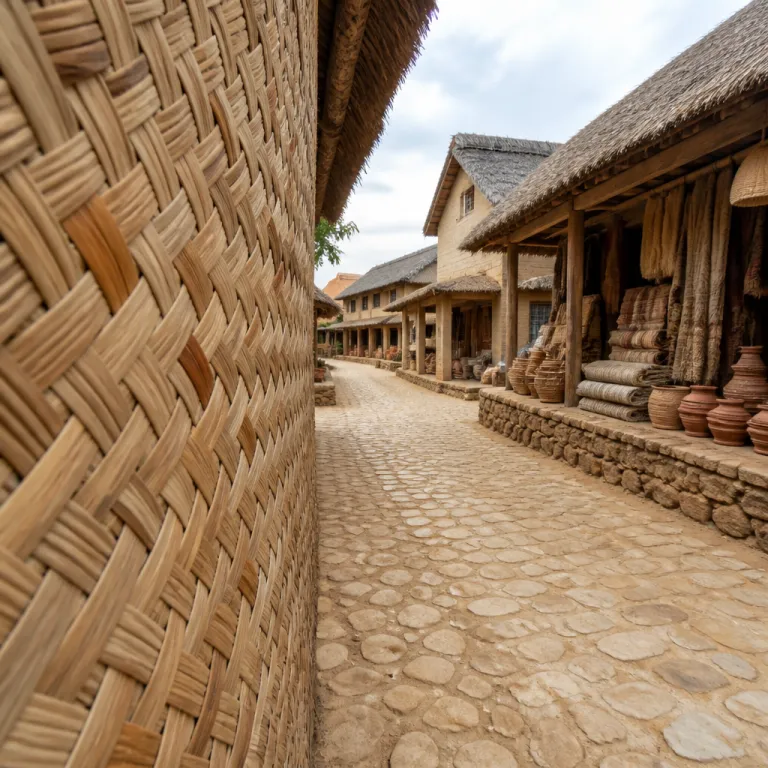
What a community based tourism weekend trip really means
A community based tourism weekend trip starts with a simple shift in mindset. Instead of asking which resort has the best pool, you ask which community is ready to host your family as guests, not customers. That change turns two days and one night into a concentrated experience of shared meals, shared stories, and shared responsibility.
In practice, community based tourism is tourism managed by local residents to benefit their community, and this based approach keeps decisions close to the people who live with the consequences. One expert definition puts it clearly ; “What is community-based tourism? Tourism managed by local residents to benefit their community.” When you choose this kind of trip, you support local communities directly, strengthen local economies, and help preserve local culture through real tourism experiences instead of staged shows.
Most community based projects are small scale, but their impact is not small at all. A family might stay two days and one night in a community owned homestay, join a full day tour with a local guide, and then visit a cooperative that runs year round to support artisans. Over a short day and a half, that group travel choice channels benefits tourism into community owned cafés, farms, and workshops rather than into distant shareholders.
Global data shows why this matters for every weekend trip you plan. The United Nations World Tourism Organization has estimated that only about 5 % of tourism revenue often stays in local economies when mass tourism dominates. Community based and carefully based tourism models are designed to push that percentage higher, so your two days nights away become a lever for sustainable tourism rather than leakage.
Why a weekend is the perfect length for community immersion
A short community based tourism weekend trip works because there is no time to hide behind a resort buffer. You arrive, meet the local guide, drop your bag, and within an hour your children are in someone’s kitchen learning how a community owned project funds school lunches. Those compressed days turn a simple trip into an experience that feels dense with meaning.
Weekend itineraries in places like northern Thailand or rural Costa Rica show how this plays out for families. On day one, a small group might travel from the city to a hill tribe village or a coastal fishing community, share lunch with local people, then walk with a guide through nearby fields or a national park. By the evening of that first day, your children have already learned more about local culture and sustainable tourism than they would in a week of kids’ club activities.
The second day often focuses on hands on tourism experiences that fit easily into a family rhythm. You might join a full day cbt workshop on traditional crafts, or a half day tour that ends with a slow lunch cooked by local communities using ingredients from community owned gardens. Because the weekend is short, every hour of travel and every shared meal is curated, and the benefits tourism brings are visible in the faces around your table.
Short trips also reduce the logistical friction that can put families off more responsible travel. You can read reviews in advance, choose a small group or private tour that matches your children’s ages, and plan your days nights with the same precision you would use for a city break in Porto. For inspiration on how to structure a dense but relaxed long weekend, look at this guide to a long weekend in Porto with neighbourhood immersion, then translate that hour by hour thinking to a tourism community setting.
From eco labels to real power: how to choose genuine community based tourism
Responsible families hear many promises about eco travel, voluntourism, and sustainable tourism, yet the labels can blur quickly. A true community based tourism weekend trip is defined less by marketing language and more by who owns the projects and who decides how tourism experiences are run. The key question is simple ; does the community own the tourism assets and share the revenue collectively.
Eco tourism often focuses on nature protection, such as a guided walk in a national park, while voluntourism might send travelers to paint a school for a day without long term planning. Genuine community based and carefully based tourism models go further by ensuring that local communities design the experience, manage the homestays, and decide how benefits tourism is reinvested. When local people set the rules, tourism becomes a tool for cultural preservation and environmental care rather than a performance for passing visitors.
Look for clear signs that a tourism community is more than a marketing phrase. Ask whether the homestays are community owned, whether a local guide is always present, and whether decisions about group travel size, days nights minimums, and full day activities are taken in village meetings. Serious operators will explain how revenue supports specific projects, from water systems to language classes, and how they work year round rather than only in peak seasons.
Comfort levels can vary, especially in a hill tribe village or remote costa rica valley, so it is wise to read reviews that mention both the experience and the facilities. Families used to European city weekends, where a Venice city fee guide or a Porto itinerary handles logistics, should expect more variables in rural community based trips. For a sense of how to navigate regulations and practicalities on short breaks, this step by step guide to managing a day fee in Venice on a weekend visit shows the same kind of planning mindset you will need, even if the context is very different.
Designing a family weekend: sample itineraries in Thailand and Costa Rica
To see how a community based tourism weekend trip works hour by hour, imagine arriving in northern Thailand on a Friday afternoon. Your small group meets a local guide at the station, then travels by minivan for about two hours to a hill tribe community that runs its own cbt homestay network. By early evening, you are sitting on a wooden terrace while your children help prepare dinner, and the day’s travel already feels justified.
Saturday becomes a full day of layered experiences that balance activity and rest for families. Morning might start with a gentle walk through rice fields led by people from the village, who explain how community owned irrigation projects have changed their harvests and their year round income. After lunch, the group travel program could split ; younger children join a craft workshop, while older ones learn about sustainable tourism and local economies through a visit to a nearby national park managed in partnership with local communities.
In Costa Rica, a two days nights itinerary might focus on a coastal community based fishing village rather than a hill tribe setting. Day one could include a boat tour with a local guide who explains how based tourism has reduced overfishing by creating alternative income, followed by an evening cooking class in a family home. Day two might offer a choice between a mangrove kayak trip and a cultural experience in the village square, with every activity designed to show the benefits tourism can bring when it is planned by the community.
Planning these weekends requires the same precision you would use for a European city break, but the rewards are different. Instead of restaurant lists and museum tickets, you are curating encounters with local culture, from music to food to language, in ways that children remember long after the trip. For help structuring short breaks around seasons and school calendars, this guide to planning short trips around changing weather patterns offers a useful framework you can adapt to community based destinations.
Teaching children that travel can be generous, not just consumptive
For premium families, the deepest value of a community based tourism weekend trip is educational rather than logistical. Children see that travel is not only about consuming services but about entering a community with humility, curiosity, and a willingness to learn. Those two days become a live classroom where concepts like sustainable tourism and global citizenship move from theory to experience.
When your family stays in community owned accommodation, shares meals with local people, and joins projects that run year round, the benefits tourism brings become visible and personal. Your children can ask why a national park limits visitor numbers, or how a cooperative decides which tourism experiences to offer each season. They hear directly from local communities about the trade offs between short term income and long term environmental care, and they start to understand why a tourism community might choose fewer visitors over faster growth.
Parents often worry about language barriers or comfort levels on such a trip, yet those concerns can be reframed as part of the learning. A small group setting with a patient local guide helps children feel safe while they navigate new foods, new words, and new routines over two days nights away from home. By the end of a full day in a hill tribe village or a coastal costa rica town, most families report that the shared experience has brought them closer together than many longer holidays.
There is also a quiet financial lesson embedded in every community based decision you make. When you choose a homestay over a chain property, or a locally run tour over a mass market excursion, you are showing your children that where money flows matters. The traveler who funds the village rather than the resort does not only support local economies ; they gain a richer, more layered experience of place that lingers long after the weekend ends.
FAQ
What is community based tourism in simple terms for families?
Community based tourism means that local residents design, own, and manage tourism experiences so that most of the benefits stay in their community. For families, this usually looks like homestays, local guide led tours, and cultural workshops where you are welcomed as guests rather than anonymous customers. The goal is to support local economies, protect culture, and offer a more meaningful weekend trip.
How does community based tourism benefit local communities on a weekend trip?
Even a two day visit can have a clear impact when the model is community owned. Payments for accommodation, meals, and tours go directly to local people, who decide collectively how to invest the income in projects such as education, water systems, or cultural preservation. Because decisions are made locally, tourism can operate year round in a way that matches community priorities rather than external profit targets.
What activities are typical on a community based tourism weekend?
Common activities include homestays with local families, guided walks through farms or nearby national park areas, and hands on workshops in crafts, cooking, or music. Many communities also offer small group tours that explain how sustainable tourism supports local economies and protects the environment. The emphasis is always on authentic interaction rather than staged performances.
Is a community based tourism weekend trip suitable for children?
Most community based tourism experiences are very suitable for children, especially when you choose a small group format and a patient local guide. Kids usually enjoy the chance to help cook, learn new games, and see how other children live day to day. Parents should check comfort levels, read reviews carefully, and choose itineraries that balance activity with rest.
How can I tell if a project is genuine community based tourism and not just marketing?
A genuine project will be transparent about who owns the accommodation and tours, how decisions are made, and where the money goes. You should be able to see that local communities control the tourism experiences and that benefits tourism brings are shared fairly through community meetings or cooperatives. If answers are vague or ownership is unclear, it is better to look for another community based option.