From hot beaches to cooler destinations: why the coolcation movement went mainstream
The coolcation travel trend in 2026 signals a clear break with the old summer script, where hot beaches in southern Europe defined the perfect trip for many travelers. As heatwaves push temperatures higher every year, a growing number of people now plan a short trip specifically to escape heat and reclaim comfort. What began as a niche idea has become a broader coolcation movement that reshapes how weekend tourism works in the peak summer months.
Search data from major travel websites shows that travelers increasingly type cooler destinations into every group search for June–August breaks, and that shift is strongest among solo travelers choosing three or four night stays. Publicly available figures from the 2024 Skyscanner Travel Trends report indicate that searches for cooler destinations rose by around three quarters year on year, while interest in flights to Iceland climbed by roughly 85 percent, confirming that this is a real structural change in global tourism rather than a passing fad. As one industry FAQ now puts it without hesitation, “What is a coolcation? A vacation in a cooler climate to escape heat.”
Behind the headlines, the travel industry has moved quickly, with every major travel agency and many local tour operators now packaging short cool-weather trip options that fit a long weekend. Tourism boards from Norway to Slovenia promote cooler destinations as a way to spread summer travel more evenly and reduce pressure on overheated coasts. For travelers, this new coolcation era means that a three day trip group can swap crowded beaches for fjords, lakes, and highland towns, while still landing back at work on Monday with fresh experiences rather than heat exhaustion. As one Berlin-based traveler told us after a July escape to Bergen, “I wanted to pack a light jacket instead of another bottle of sunscreen, and it completely changed how relaxed I felt.”
The data behind the shift: how weekend travelers are rewriting summer
For short trip planners, the coolcation trend is not just a mood shift, it is backed by hard numbers that now guide when and where people go. Travel patterns tracked since early June show that travelers seek milder air and longer evenings, especially for quick weekend trips that must deliver maximum experience in minimum time. Analysts looking at internal trip dashboards see that many people now search for cooler destinations first, then filter by flight time and price rather than by beach access.
Between June and August, bookings to Scandinavia have climbed by roughly a third compared with the previous year in several major agency datasets, while Arctic travel interest has more than doubled according to Iglu Cruise’s 2024 Arctic and Northern Europe booking review. Over the same period, Germany and France both recorded extreme hot days in June, and news reports noted that more than one hundred million Americans faced heat warnings in mid summer, pushing travelers increasingly toward the coolcation idea for both long holidays and compact three night escapes. Industry observers now answer the question “Why are coolcations popular?” with a simple line: “To avoid extreme heat and explore new places.”
For weekend specialists, this shift has practical consequences, from how a travel agency prices short breaks to how local tourism boards in cooler destinations manage flows of visitors. Typical coolcation trips now last three to four days, which aligns perfectly with the short trip formats we outline in our guide to planning short trips around early summer weather. That duration gives travelers choosing a Friday to Monday window enough time to adjust, sample local food, and still feel that the experience is real rather than rushed, especially when cooler air allows more walking and outdoor time.
Where to go now: fjords, islands and alpine towns built for 3–4 day coolcations
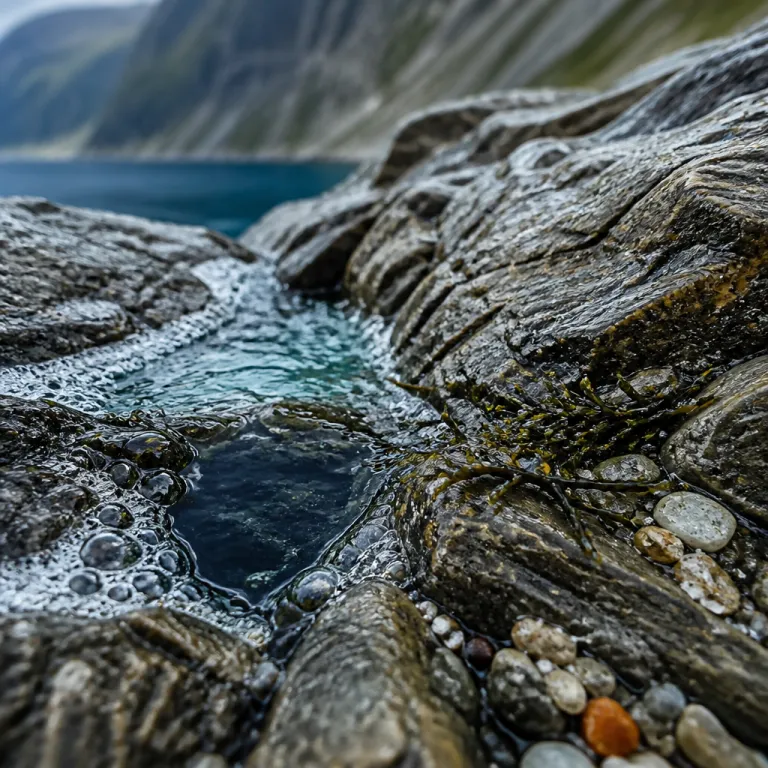
The most interesting angle in the coolcation travel trend 2026 for weekend travelers is how specific destinations now outperform classic beach resorts on both comfort and density of experiences. Iceland, with typical summer highs in the low teens Celsius, has become a prime choice for a three night trip group that wants dramatic landscapes, geothermal pools, and late sunsets. Norway’s fjords, the Scottish Highlands, the Swiss Alps, and Slovenia’s lakes all offer cooler destinations where people can walk, eat, and sleep well without planning every hour around the day’s hottest point.
For solo travelers choosing a quick escape, these places work because the travel time to tourism payoff ratio is high, especially when you land by Friday evening and wake up in clean, cool air on Saturday. Our report on summer solstice escapes with long daylight shows how northern latitudes turn a three day trip into what feels like a longer break, with more usable hours outside. That extra light means the perfect trip can include a fjord cruise, a local food tour, and a quiet hike, all within a single weekend, while the coolcation trend keeps crowds thinner than in southern Europe’s beach towns.
Cost remains the main trade off, since flights to cooler destinations can price higher than short hops to hot coasts, but the travel industry now offsets this with shoulder season offers and dynamic pricing for June–August weekends. Many travelers seek value not only in headline price but in the quality of sleep, the absence of heat stress, and the chance to engage with local culture in a more relaxed way, as shown in our analysis of a dense yet calm long weekend in a European city. As one widely shared explanation puts it, “Which destinations are popular for coolcations? Norway, Iceland, and the Arctic.”