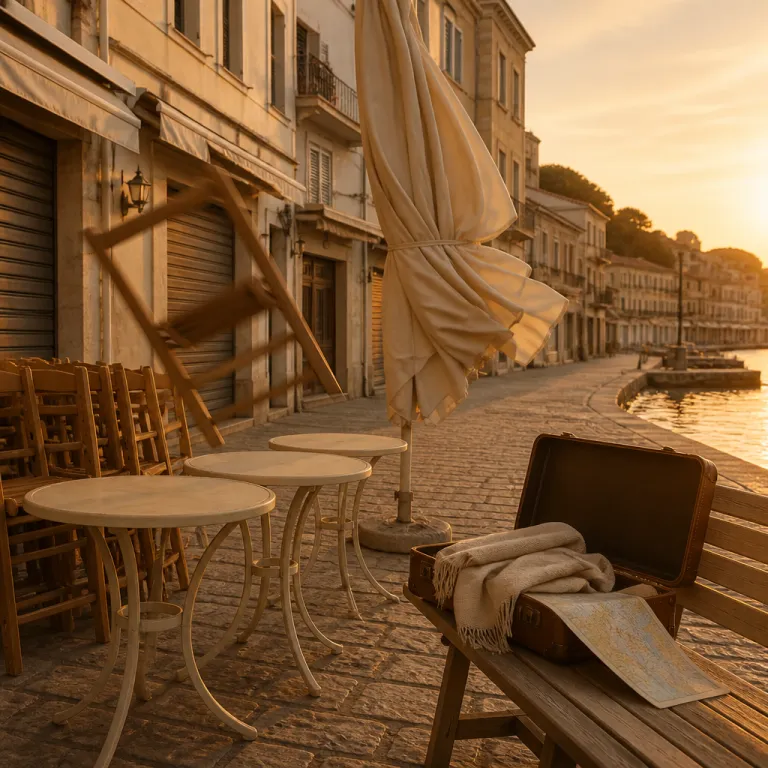
Why september is the smartest month for european travel
September in Europe is when the season finally matches the promise. After the peak summer rush, airfare and hotels slide into the september Europe travel shoulder season sweet spot, turning a two night trip into a far better value. This is the best time for couples who want premium experiences without paying peak season premiums or fighting for tables with heavy summer crowds.
Across the continent, this is the moment when european travel shifts from survival mode to pleasure mode, and you feel it from the first taxi queue. Data from WhenShouldITravel and KAYAK show that flights to travel Europe can be around one third cheaper than in July August, while hotels often fall between twenty and fifty percent, which transforms a short break budget. That price gap between peak season and shoulder season is not a theory ; it is the difference between a cramped room in high summer and a sea view in late september october.
Tourism boards quietly agree that this is the best time to visit Europe, even if their brochures still show high summer sunsets. One recent report notes that “Average temperature in Southern Europe in September” sits around 25 °C, which is warm enough for the beach yet cool enough for city days. Another line from the same dataset is blunt about the crowds ; “Is September a good time to visit Europe? Yes, due to pleasant weather, fewer crowds, and lower prices.”
For weekend travelers, that combination of fewer crowds and softer weather is everything, because your days are counted in hours, not weeks. You want the best places to feel accessible the moment you land, from a late lunch in Lisbon to an evening walk in Rome, without wasting time in queues built for peak season. In this europe shoulder window, you can visit Europe for three or four days and still feel as if you have stepped into the city’s real life, not its high summer performance.
The other quiet advantage of this season travel period is psychological. Locals return from their own holidays, galleries reopen full programs, and restaurants shift from tourist menus back to serious cooking, which changes the tone of every visit. You sense that the year is turning toward fall Europe, yet the light still feels like summer, and that tension makes even a short trip feel layered and memorable.
Weather, water and why september gives up nothing
For all the romance of high summer, the weather in July August can be brutal in many european cities. By contrast, europe September brings daytime temperatures that let you walk, eat outside and sleep without air conditioning battles, while the sea in the south still holds the heat of the long season. In Southern Europe, average september weather hovers in the mid twenties Celsius, which is the best time for both city breaks and late swims.
On the Mediterranean, the water remains warm enough for proper swimming, not just a quick dip between crowds. Greece, Croatia and the Amalfi Coast still feel like summer during this shoulder season, but the beaches are calmer and the evenings cooler, which suits a romantic weekend pace. You can plan three or four days of european travel with a morning at the beach, an afternoon in town and a late dinner, without the exhaustion that peak season heat often brings.
In the north, fall Europe arrives earlier, and that is part of the charm for a short trip. Cities like Copenhagen, Stockholm or the fjord regions that now anchor the coolcation trend feel crisp rather than cold, and they reward travelers who prefer a light jacket to a sun lounger. If you are curious about this shift from beaches to cooler landscapes, our piece on the coolcation movement reshaping summer travel explains why many couples now trade one last summer weekend for a first taste of winter light.
Crucially, september October weekends rarely force you to choose between summer and fall ; you can have both in a single itinerary. Fly into Milan for two days of city life, then take the train to the lakes for a final swim, and you will feel the season turning without losing the warmth. This is the kind of time visit that shoulder season was made for, where the year is clearly shifting but your suitcase still holds a swimsuit and a light sweater.
Even classic winter destinations benefit from this timing when you visit Europe outside the snow months. Alpine towns are quieter, hiking trails are open, and you see the mountains without the heavy infrastructure of the ski season, which makes a small group weekend feel more intimate. In every case, the september Europe travel shoulder season gives up almost nothing in terms of experience, while offering better weather for movement and more forgiving days for jet lag.
Four perfect september weekends: from greek islands to the amalfi coast
Some places are built for the september Europe travel shoulder season, and the Greek islands sit at the top of that list. By this time of year, the cruise crowds thin, the meltemi winds soften, and the water stays warm enough for long swims well into late september October. A three day trip to Paros or Naxos lets you combine quiet beaches, village dinners and a final taste of summer without the peak season frenzy.
On the Amalfi Coast, september is when the cliffside towns finally exhale after the intensity of July August. You still get long days, golden light and ferries running at full schedule, but there are fewer crowds at the best places for sunset drinks and late dinners. For a couple, this is the best time to base yourselves in Positano or Praiano for a long weekend, using ferries for short hops and leaving the car rental stress to peak season visitors.
Further west, Lisbon and Porto are ideal for europe September weekends, with warm days, cooler nights and a cultural calendar back in motion. Porto in particular works beautifully for a three night stay, and our detailed guide to a long weekend in Porto shows how to structure your time from the first coffee to the last glass of Douro wine. These are the kinds of places visit fans of short european travel love, because you can land on Friday and feel oriented by Saturday lunch.
On the Adriatic, Dubrovnik and its nearby islands are transformed once the main cruise season eases. The old town still sees visitors, but you can actually hear your own footsteps on the stones in the early morning, and restaurant reservations become a pleasure rather than a tactical operation. A small group sailing weekend among the Elafiti islands in this shoulder season window offers warm water, soft evenings and far fewer crowds than in the height of summer.
Even northern cities reward a september October visit when you plan your days carefully. Think of Berlin, Vienna or Prague, where café terraces are still open, parks are just starting to turn, and cultural venues launch their fall seasons with new exhibitions and performances. For couples who care about density of experience per hour, these are some of the best places to travel Europe in a single long weekend, with every day shaped by a clear rhythm of walks, meals and performances.
How to book, time and structure a september weekend in europe
To get the full benefit of the september Europe travel shoulder season, timing your bookings matters almost as much as timing your trip. For flights and hotels, the best time to lock in a weekend is usually four to eight weeks before departure, which means planning in late July August for a mid september escape. That window captures the moment when airlines and hotels pivot from peak season pricing to shoulder season strategy, but before the best rooms vanish.
Think of your weekend as a series of deliberate choices about time, not a vague three day blur. Arrive early on Friday if possible, so that your first evening already feels like part of the trip rather than a transfer, and leave late on Sunday or Monday to stretch the season travel feeling. In cities, choose a location that lets you walk to most of the places you want to visit, because every minute saved on transport becomes another coffee, another gallery or another slow lunch.
For coastal breaks, especially on the Amalfi Coast or the Greek islands, use ferries and trains rather than cars whenever you can. This is the period when services still run frequently, but with fewer crowds, so you can move between places visit on your own schedule instead of the timetable of peak season. If you prefer company, consider a curated small group weekend that focuses on one theme, such as wine, architecture or hiking, which can turn three days into a concentrated european travel experience.
Pack for a season that sits between summer and fall Europe, with layers that handle warm afternoons and cooler nights. A light jacket, one smarter outfit for dinners and comfortable shoes for long walks will serve you better than a suitcase full of just beachwear, especially if you plan to visit Europe for both city and coast in a single trip. Remember that “Average hotel price reduction in September” can reach around thirty percent in many european destinations, so upgrading your room or adding an extra night often makes more sense in this month than at any other time of the year.
If you are already thinking ahead to how light and time shape a trip, our piece on summer solstice escapes shows how the longest days of the year change what you can fit into a weekend. September works differently, with shorter days but richer textures, and that is exactly why the europe shoulder period suits couples who value atmosphere as much as sunshine. Use these travel tips to design weekends where every hour feels intentional, and the shoulder season becomes not a compromise, but the best expression of Europe you will visit all year.
FAQ
Is September a good time to visit Europe for a short trip ?
Yes, September is an excellent time to visit Europe for a weekend or short trip, because the weather is still warm, prices drop after the peak season, and there are fewer crowds in major cities and coastal areas. Many cultural venues resume full programs after the summer break, so you get more concerts, exhibitions and performances in just a few days. For couples, this combination makes the september Europe travel shoulder season one of the best times of the year.
Which european destinations work best for a september weekend ?
Southern Europe is particularly strong in September, with the Greek islands, the Amalfi Coast, Lisbon, Porto and Dubrovnik offering warm weather and swimmable seas. Central european cities like Vienna, Prague and Berlin also shine, with comfortable temperatures for walking and rich cultural calendars. These are some of the best places to travel Europe in three or four days without the pressure of peak season crowds.
Are tourist attractions open in September, or do they reduce hours ?
Most major attractions across Europe remain open in September, and many still operate on near peak season schedules, though some may shorten evening hours as fall approaches. The advantage is that queues are usually shorter, so you can fit more places visit into a limited number of days. This makes the time visit equation far more favorable for weekend travelers than in high summer.
How far in advance should I book a september weekend in Europe ?
For the september Europe travel shoulder season, a booking window of four to eight weeks before departure usually secures the best balance of price and choice. Flights and hotels often start lowering rates once the July August rush passes, but the most desirable rooms and time slots still sell out. If you are targeting very popular areas like the Amalfi Coast or the Greek islands, lean toward the earlier end of that range.
What should I pack for september travel in Europe ?
Pack for a transitional season, with light layers that work for warm afternoons and cooler evenings, plus comfortable shoes for walking. In southern regions, you will still want swimwear and sun protection, while northern or higher altitude destinations may call for a light jacket or sweater. This flexible approach lets you enjoy both lingering summer days and the first hints of fall Europe in a single short trip.