Why a harvest weekend beats generic wine tourism
Arriving in wine country during harvest season changes everything. A wine harvest weekend trip in Europe drops you into working vineyards, not staged tasting rooms, and every grape crate, stained hand, and humming tractor reminds you that this is agriculture before it is lifestyle. For couples planning short trips Europe wide, these few days around the grape harvest are often the best time to feel a region at full intensity.
On a regular visit you sip wines in quiet cellars, but during harvest the same wine regions feel charged, noisy, and gloriously imperfect. Fermentation tanks bubble, pickers move quickly through rows of grapes, and the air in each valley smells of crushed fruit and wet earth, which makes even a simple wine tasting feel like a backstage pass. A focused wine harvest weekend trip in Europe lets you see how a wine region actually works, then retreat to a calm base in a nearby city when the last press load takes place at dusk.
Energy is only half the story, because harvest season also concentrates access. Many estates open for special wine tours, host a small harvest festival, or add one off wine themed dinners that never appear in spring schedules, and these events are ideal for wine lovers who only have two nights. Plan your time visit carefully and you can move from vineyards at sunrise to a wine festival in town by evening, tasting both red and white wines that will not be bottled for months.
What open cellars and producer visits really involve
Open cellar weekends are the working heart of any wine harvest weekend trip in Europe. In many wine regions of France, Germany, Spain, and Portugal, a harvest festival or wine festival takes place across one or two days, when family estates throw open their doors and pour current wines beside fermenting grape must. For a couple on short trips Europe focused on flavour, this is the best time to meet the people behind the labels.
A typical tour starts in the vineyards, where you walk between rows of grapes while the team explains how the harvest is paced from late July for early ripening parcels through to September for the main grape harvest. You might taste grapes straight from the vine, compare plots closer to the river with those higher up the valley, then step into the cellar to sample base wines from tank, which is a rare privilege outside harvest season. Many wine tours during these weekends are shorter and more informal, which suits a tight 48 hour schedule.
Producer visits are also when you can buy direct, which is both economical and responsible. Instead of shipping wines home blindly, you taste with the winemaker, understand which white wines or reds travel well, and then choose a mixed case that reflects the wine region you have just walked through. For more on why a concentrated neighbourhood or village base makes sense on a quick trip, read this guide to going deep rather than wide on a short stay, then apply the same logic to wine country weekends.
Where to go: from the Douro to Alsace and Rioja
Choosing the right wine region can make or break a wine harvest weekend trip in Europe. In Portugal, the Douro Valley is the classic choice, where steep vineyards plunge to the Douro River and traditional grape treading still survives at some quintas, giving wine lovers a vivid sense of continuity. A two night stay here lets you combine a daytime river tour with evening wine tasting in cellars that feel carved into the hills.
Further north, Germany offers a different rhythm, with Riesling focused wine regions along the Mosel and Rhine that are perfect for couples who like to pair wines with small historic towns. A base in a riverside city gives you easy access to hillside vineyards by day and relaxed taverns by night, and the best time for many estates runs from early September through the first cool weeks of autumn. In Alsace, a weekend around Colmar wine events means half timbered streets, golden slopes, and a string of villages that feel built for slow wine tours.
Spain adds a more robust, food driven angle to any harvest season escape. In Rioja or Ribera del Duero, a short drive from a compact city base brings you to working bodegas where the grape harvest is in full swing and long lunches stretch into late afternoon. For couples timing trips Europe wide, this is where a shoulder season strategy pays off, and this perspective on September in Europe as the ideal travel month explains why those cooler days often deliver the best value.
Beyond the grape: olives, truffles, and shoulder season timing
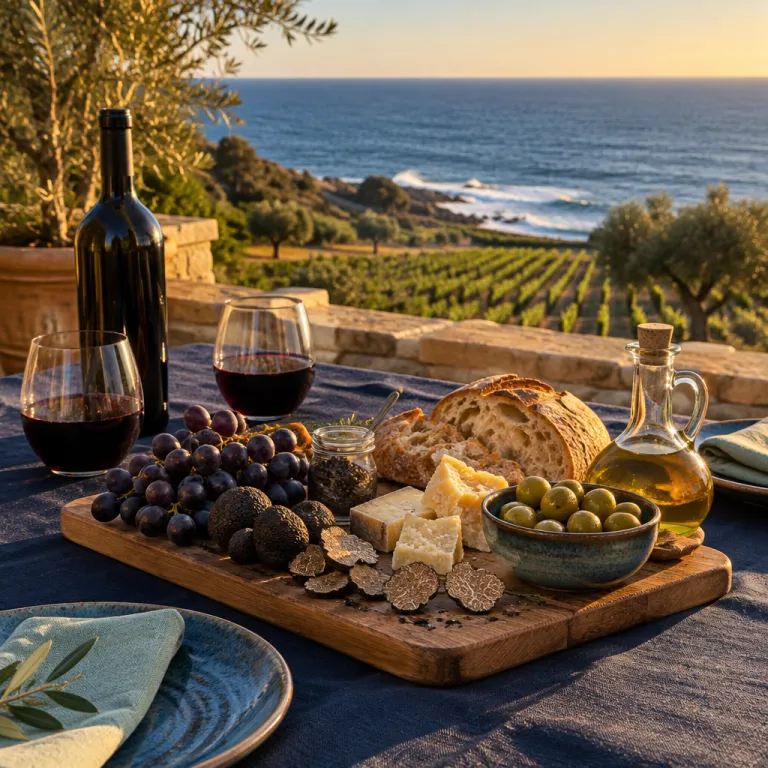
A wine harvest weekend trip in Europe does not need to stop at grapes. In parts of Italy, France, and Spain, the same valleys that host vineyards also support olive groves and truffle rich woodlands, which means one short break can span several harvests. For couples who care about food as much as wines, this mix turns a simple wine themed escape into a broader taste of rural life.
In Tuscany or Umbria, for example, the best time for a combined grape harvest and olive harvest weekend often falls just after the main rush of wine country visitors. You might spend one morning walking vineyards, another afternoon at a small olive mill, and an evening in a village restaurant where the menu changes daily with whatever the harvest season brings. In parts of Piedmont, truffle markets add another layer, and a single tour can move from foggy hazelnut groves to cellars pouring structured reds.
Timing matters, because each region staggers its calendar. Some estates start picking in late July for sparkling base wines, while others wait until cooler nights arrive in September to secure freshness in white wines, so always check local tourism boards and producer associations before booking. For a broader view on why the post summer window is so attractive for trips Europe wide, this analysis of traveling in late September for better value is a useful planning companion.
How to plan a 48 hour harvest base and travel responsibly
Short trips demand discipline, and a wine harvest weekend trip in Europe is no exception. Start by choosing one compact city or large village as your base, ideally within 20 to 40 kilometres of several vineyards, so you minimise driving and maximise time at the estates. This base town logic keeps transfers short, lets you walk to dinner, and makes it easier to enjoy wine tasting without worrying about long night drives.
Once your base is set, build the weekend around two or three focused wine tours rather than a frantic list of names. Aim for one longer visit that includes a vineyard walk, cellar tour, and tasting, then one shorter stop for a specific style such as white wines or sparkling, which keeps your palate fresh. Leave space for a local harvest festival or wine festival if one takes place during your stay, because these events often reveal smaller producers who do not appear on major booking platforms.
Responsible travel in wine country is mostly about pace and respect. Book ahead so estates can manage numbers, buy at least a bottle or two where you taste, and consider shipping a mixed case home to support the region beyond your brief time visit. If you join a grape harvest activity, follow the team’s instructions carefully, remember that this is real work on a tight schedule, and treat your presence as a privilege rather than a performance.
FAQ
What is the best time for a wine harvest weekend trip in Europe?
The best time for a wine harvest weekend trip in Europe usually falls between late July and mid autumn, depending on the region and grape varieties. Cooler areas such as northern France or Germany often pick later than warmer regions in Spain or southern Italy. Always check local producer associations for precise harvest season updates before booking flights.
Which European regions work best for a short harvest focused stay?
For a two night stay, compact wine regions with strong transport links work best. The Douro Valley in Portugal, Alsace around Colmar, and Rioja near Logroño all combine accessible vineyards with characterful towns. Each wine region offers enough estates, river or valley scenery, and local food to fill a weekend without long drives.
Can I join the grape harvest as a visitor?
Some estates offer limited grape harvest experiences where visitors can pick grapes or watch traditional treading, especially in the Douro Valley and parts of France. These activities usually take place on specific days and must be reserved well in advance. Treat them as educational moments rather than entertainment, and respect that the main priority is bringing in the crop.
How should couples plan tastings safely on a short trip?
The safest approach is to book a local driver, join small group wine tours, or rely on trains and taxis between your base town and nearby vineyards. Share tasting flights, focus on fewer but deeper visits, and drink plenty of water between samples. Many estates also offer shipping, so you can buy wines without feeling obliged to finish bottles during the weekend.
Is a harvest weekend suitable for non wine lovers?
Yes, as long as the region offers more than vineyards. Many wine regions in Europe combine river walks, historic villages, and seasonal food festivals that appeal even to those who are not focused on wines. Choose a base with cafés, markets, and cultural sites so every part of the couple finds something to enjoy.