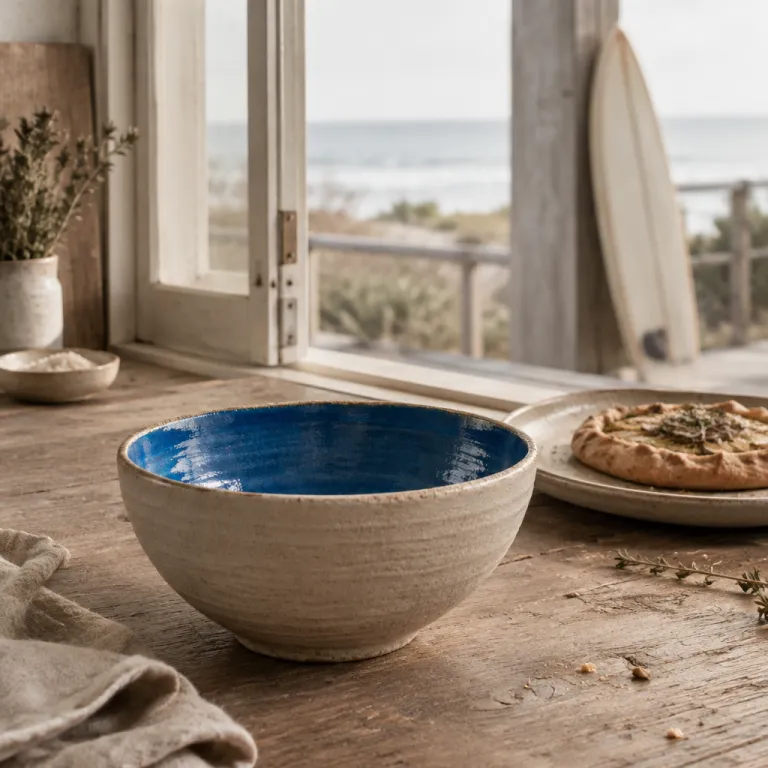
Why a playcation weekend skill workshop makes a short trip feel complete
A focused playcation weekend skill workshop solves the classic short break problem. Instead of racing between attractions, you anchor the trip around one immersive activity type that structures every hour and gives your travel experiences a clear narrative arc. This shift turns a two night escape into a concentrated playcation travel story where the skill, not the checklist, defines success.
Across the global tourism market, analysts now track playcations as a distinct market type within the wider travel market. Industry analysis from major travel companies shows that travelers seeking hands on learning are driving a fast growing segment of adventure travel and cultural experiences, especially in north America and western Europe. While the overall tourism market runs into the hundreds of billion in annual revenue, the share linked to playcation experiences and other learning focused travel adventure products is expanding faster than traditional package holidays.
For a solo explorer, this matters less as business data and more as design for a weekend that feels substantial. When you commit to a single activity, whether ceramics, surf, or a kitchen based cooking course, you create a spine for the trip that every other activity can support. That clarity of purpose also helps you navigate an overwhelming global market of destinations and workshop formats, narrowing the purchase decision to the destinations offer the right mix of skill level, schedule, and surrounding destinations activities.
Choosing your skill: ceramics, surf, cooking, photography
Start by deciding which playcation activity will genuinely hold your attention for two days. Ceramics suits travelers seeking tactile focus, surf appeals to those who want a physical travel adventure, cooking works for sensory learners, and photography bridges both observation and movement. Each type of playcation weekend skill workshop can be adapted for a true beginner, but the right fit depends on how you like to learn and how you prefer to travel.
Look closely at the activity type and group size before you book, because these two pieces of data shape the entire experience. A small group ceramics course with six participants feels intimate and reflective, while a larger surf class can feel more like classic adventure travel with shared adrenaline and quick feedback. When you read workshop descriptions on platforms such as Expedia Group or directly through specialist travel companies, focus less on marketing language and more on how many hours of structured activities you actually get across the weekend.
Food focused playcation experiences deserve special attention, because they extend naturally into the rest of your travel experiences. A kitchen based workshop pairs well with a methodical way of eating through a city in 48 hours, and you can borrow ideas from guides such as this approach to the weekend food traveler. Whether you choose ceramics, surf, cooking, or photography, remember that the best playcation travel is not about the most activities, but about one activity done deeply enough that you carry it home.
How to pick the right destination and workshop as a beginner
Once you know your skill, the next step is matching it to the right destinations. For ceramics, you might look for destinations offer strong craft traditions and compact neighborhoods, while surf demands reliable breaks within easy reach of an airport. Cooking and photography thrive in dense urban destinations activities where markets, streets, and light change quickly over a weekend.
Think of the travel market as a set of overlapping circles rather than a single global market, because each circle has its own market type and expectations. A surf focused playcation weekend skill workshop in a laid back coastal town will feel very different from a high intensity kitchen course in a major city that already attracts culinary tourism. When you read reviews, pay attention to qualitative analysis from past participants about pacing, teaching style, and how eco friendly or sustainable tourism practices are integrated into the activity.
For food led weekends, it helps to study how serious eaters structure their time, using examples such as this guide to a weekend eating through Oaxaca. The same logic applies to ceramics or photography, where you want a destination whose markets, streets, and cultural experiences support the core activity rather than distract from it. Beginners should prioritize workshops that clearly state they welcome all levels, specify the exact number of hours of instruction, and show transparent data on group size and materials included in the purchase.
Designing the rest of the weekend around your playcation
A well planned playcation weekend skill workshop gives you an anchor, but you still need to shape the remaining hours. Aim for one main session each day, then add only one secondary activity so your mind and body have space to absorb what you learn. This restraint is what separates a meaningful playcation from a rushed tourism checklist that leaves you more tired than when you left.
Think of the city or coast as a quiet support act for your chosen activity, not a competing headline. If you are throwing clay for three hours in the morning, schedule a slow walk through local markets or a yoga meditation class in the afternoon rather than another intense activity that drains your focus. Surf weekends pair well with gentle cultural experiences such as small galleries or neighborhood cafés, while kitchen based workshops benefit from unhurried visits to markets where you can see ingredients and talk with vendors.
Weather and season still matter, especially for outdoor activities such as surf or photography, so use destination specific resources like this guide to planning a short escape around local weather. For eco friendly travelers seeking sustainable tourism options, look for workshops that minimize waste, source local materials, and contribute to community based tourism market initiatives. The goal is a weekend where every small purchase, from coffee to clay, feels aligned with the playcation travel story you are writing for yourself.
What you take home from a skill focused weekend
The most valuable souvenir from a playcation weekend skill workshop is not the bowl you glazed or the wave you finally rode. It is the shift in how you think about time, attention, and the role of travel in your life. When the skill becomes the trip, even a short escape feels like a chapter rather than a footnote.
On a ceramics weekend, you return with muscle memory in your hands and a new way of noticing form, weight, and texture in everyday objects. After a surf focused playcation, your body remembers the timing of the break, and that awareness can change how you read any coastline on future travel adventures. A kitchen based workshop sends you home with recipes, of course, but also with a deeper understanding of markets, seasonality, and the cultural experiences encoded in each dish you cook for friends.
Across the broader travel market, this is why playcations are more than a passing trend, even if the business press sometimes reduces them to another line in global market revenue forecasts. The same weekend that generates a modest slice of market revenue for local tourism can generate a disproportionate amount of meaning for you, especially when you keep returning to the skill between trips. Over time, a series of playcation experiences can stitch together a personal curriculum that feels richer than any single long vacation, and that is the quiet power of letting the skill lead.
FAQ: planning a playcation weekend skill workshop
How many hours should a weekend skill workshop include to feel worthwhile ?
For a focused playcation weekend skill workshop, aim for at least eight to ten hours of structured activity across two days. That usually means one longer session and one shorter session each day, leaving space for rest and unstructured exploration. Less than this often feels like a taster, while more can become exhausting for beginners.
Is a playcation suitable for solo travelers, or better for a group ?
A playcation works well for both solo travelers and small groups, but the dynamic changes. Solo travelers seeking depth often appreciate small group workshops where they can meet people without committing to shared accommodation or rigid itineraries. Friends traveling together might prefer private sessions, especially for kitchen based or yoga meditation activities where conversation is part of the experience.
How do I know if a workshop is truly beginner friendly ?
Look for clear language about levels, detailed schedules, and specific descriptions of what each activity covers. Beginner friendly workshops usually cap group size, include all essential materials in the purchase price, and offer step by step guidance rather than assuming prior knowledge. Reviews that mention patient teaching, flexible pacing, and supportive feedback are strong signals.
Can a playcation be eco friendly and aligned with sustainable tourism ?
Yes, many destinations offer workshops that integrate eco friendly practices and contribute to sustainable tourism. Signs include locally sourced materials, small scale operations, and transparent information about how the business supports the community or reduces waste. Choosing such options means your market impact, however small in revenue terms, supports responsible tourism market development.
What if I want to continue the skill after the weekend ends ?
Before you leave, ask instructors for recommendations on at home practice, online classes, or local studios in your city. Many travel companies and independent teachers now offer follow up digital sessions so your playcation experiences extend beyond the trip. Treat the weekend as a launch point, then schedule regular time to keep the activity alive in your routine.