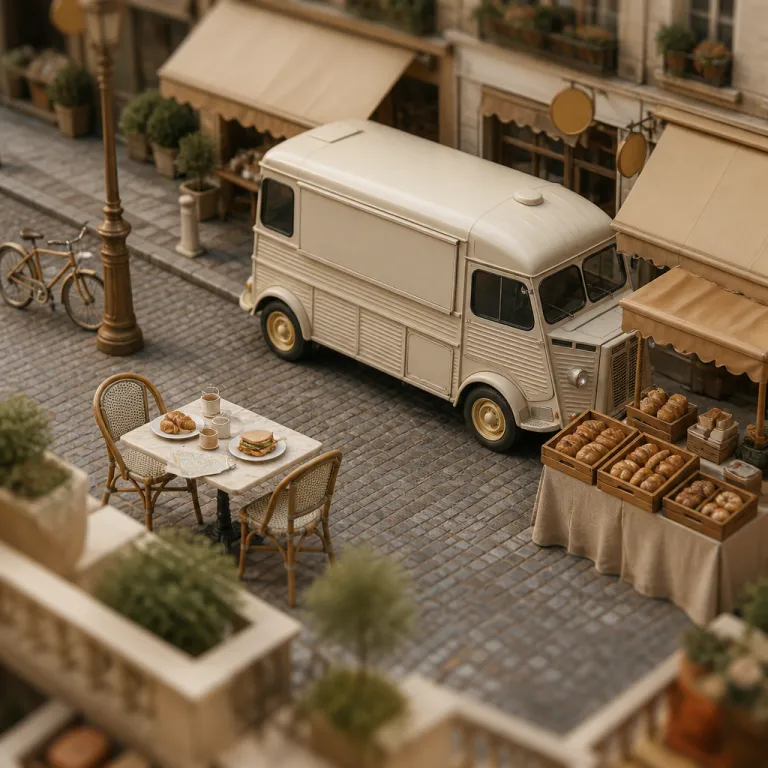
Designing your 48 hour weekend food travel Europe framework
Weekend food travel Europe works best when you treat meals as your map. Think of the city as a sequence of edible neighborhoods, where each market, café and wine bar becomes a landmark that will anchor your sense of place. A clear structure lets you eat like a local without wasting a single day chasing scattered tips.
Start by choosing one compact district as your base, because the best city food experiences in Europe usually cluster within walkable areas. In Italy that might be a historic quarter near a covered market, while in Spain it could be a grid of streets where local food bars and cheap eats sit beside small wine shops. This focus turns your weekend food adventure into a layered tour of one community instead of a frantic race across the entire city.
Plan your 48 hours around three daily anchors, so every meal has a role in your travel adventure rather than becoming another random stop. Morning is for markets and street food style snacks, midday for a sit down lunch with good local dishes, and evening for slower food drink pairings that show off the best European wine traditions. Between these anchors, you will graze on pastries, gelato or small plates that keep you in the rhythm of eating Europe without overloading your schedule.
When you book flights or trains, align arrival so your first evening lands in time for a relaxed walk through your chosen food scene. This first stroll is not about finding the best food immediately, but about reading the streets, menus and group size at each place to understand how locals actually eat. By the time you sleep, you will already have mapped tomorrow’s food tours in your head, from the market stall that looks promising to the bar where the city food crowd gathers late.
Markets by day, neighbourhood tables by night
The most reliable structure for weekend food travel Europe is simple: markets by day, neighbourhood tables by night. Markets reveal how a city eats when nobody is performing for visitors, while evening rooms show how people linger over food drink and conversation. Balancing both gives you a complete portrait of European food culture in just two days.
On your first morning, head to a central market in Italy, Spain or France and walk a full loop before you eat anything. Notice which stalls draw a steady line of local shoppers, which counters serve quick street food style bites, and where the best price to quality ratio seems to sit. This slow read of the room will guide you toward good food rather than the obvious tourist traps that cluster near the main entrances.
Use markets as your classroom for understanding Europe food habits, from the seafood counters in San Sebastián to the vegetable stands that feed families in Florence. In Florence, for example, you will see how tripe, beans and seasonal greens shape both cheap eats and refined dishes across the city. In San Sebastián, the same anchovies and peppers that appear on market stalls will later reappear as small plates in bars that many locals highly recommend to friends.
Afternoons and evenings belong to neighbourhood tables, where your informal food tour continues at a slower pace. Choose streets just beyond the busiest squares in Madrid Barcelona or Rome, where the second best known places often serve the best food to regulars. For a deeper look at how short trips are reshaping our habits, the analysis in this three day trip travel data piece helps explain why dense, food led weekends have become the new standard.
Researching one district deeply instead of chasing lists
Most people approach weekend food travel Europe with a long list of names and no real plan. A better method is to pick one district and research it as if you were moving there for a month, then compress that knowledge into 48 focused hours. This shift from breadth to depth turns your food adventure into a narrative rather than a checklist.
Begin with maps rather than rankings, tracing where markets, bakeries, wine bars and small restaurants cluster within a single city. In Madrid Barcelona, for example, you might mark a rectangle that includes a traditional market, two or three streets of local food bars, and a quieter residential edge where families actually eat. In Florence or any Italian city, look for the overlap between historic streets and everyday services, because that is where the best European food scenes usually live.
Once you have your rectangle, read recent local blogs, city guides and even municipal tourism pages to understand how residents talk about that area. Pay attention to mentions of group size norms, such as whether couples share counters with strangers or reserve full tables for long food wine evenings. This research will help you decide whether to book a formal food tour, join small food tours with a guide, or simply design your own informal tours over two days.
When your weekend focuses on one district, you will naturally avoid many tourist traps without needing a blacklist. You will see which places stay busy at odd hours, where staff greet regulars by name, and how prices shift from the main square to the side streets. For travelers who like to build trips around a single passion, the idea of a focused playcation built around one skill mirrors this district deep dive, but here your skill is reading a food scene quickly.
Reading menus, rooms and rhythms like a local
Once you arrive, the real work of weekend food travel Europe happens on the street, not on your phone. Learning to read a menu and a room in real time will do more for your eating Europe experience than any pre trip list. This is where your 48 hours become a genuine food adventure rather than a series of staged photos.
Start with the room before the menu, scanning who is eating, what they order and how they interact with staff. In Spain, a bar filled with mixed ages, light noise and plates of local food on every table usually signals good value and honest cooking. In Italy, watch for short handwritten menus, regional wines by the glass and a relaxed group size mix of couples and families, which often indicates a place that serves the best food to locals first.
Menus tell you how a city thinks about food drink pairings and seasonality, especially in European food cultures that still follow the calendar closely. Look for dishes that repeat across several nearby places, because those are often the backbone of the city food identity. When you see the same stew, pasta or grilled fish in Florence, San Sebastián or Lisbon, you can safely assume it is part of the best European comfort repertoire rather than a tourist only invention.
Timing matters as much as selection, since each country in Europe keeps its own eating clock. Lunch in Spain drifts later than in northern Europe, while dinner in Italy often starts gently and stretches into the night, especially in warmer months. To understand how these rhythms shape short escapes beyond the classic beach break, the piece on short drives that skip the crowds shows how smart timing can transform even a quick city break.
Avoiding tourist traps and choosing the right food tours
Every weekend food travel Europe itinerary eventually collides with the question of tourist traps. The goal is not to avoid other travelers entirely, but to steer your 48 hours toward places where locals still set the tone. That balance lets you enjoy the best food without feeling like you are eating in a theme park.
Tourist traps usually share a few clear signals, such as aggressive hosts at the door, laminated photo menus and a price structure that feels detached from the surrounding streets. In contrast, a good city food spot will show a steady flow of regulars, a menu that changes with the day and staff who seem more focused on service than on pulling people in from the sidewalk. When in doubt, walk one or two blocks away from the main square and you will often find better European food at calmer addresses.
Food tours can be a powerful tool when used carefully, especially in dense destinations like Florence, Madrid Barcelona or San Sebastián. Look for operators who cap group size at a manageable level, focus on local food traditions and are transparent about where your money goes. A thoughtful food tour should feel like a guided food adventure through everyday life, not a staged procession of Instagram stops.
Weekend food travel Europe also rewards restraint, so do not try to book multiple tours in a single day. One well chosen experience that combines street food, market visits and sit down tastings will teach you how to navigate the rest of your meals independently. Over time, you will build your own internal guide to eating Europe, one 48 hour city at a time, and you will be able to highly recommend this method to friends who ask how to plan their next short break.
Sample 48 hour pattern for Italy and Spain
To make this method tangible, imagine a 48 hour weekend food travel Europe pattern you can adapt to any city in Italy or Spain. The goal is not to prescribe exact addresses, but to show how a couple can structure time so every meal earns its place. Think of it as a template for turning any short break into a focused food adventure.
Day one begins with arrival by late morning, a quick check in and a direct walk to the nearest market in your chosen district. You share a light street food style snack at a standing counter, then spend an hour watching how locals shop, what they eat on the spot and how prices shift between stalls. Afternoon is for wandering side streets, reading menus and noting where you will return for a longer food wine evening.
That first night, choose a neighbourhood place where the room feels balanced between couples, families and small groups, and where the menu highlights regional European food rather than generic international dishes. You order a mix of local food classics and one unfamiliar plate, pairing them with a glass of something from nearby vineyards. This is not about chasing the single best city restaurant, but about understanding how ordinary residents eat on an ordinary night.
On day two, repeat the pattern in a slightly different corner of the same district, perhaps focusing on seafood in San Sebastián or hearty plates in Florence. Lunch might be your main meal, with a generous spread of the best food you have found so far, followed by a lighter evening of snacks and drinks. By the time you leave, you will have built a mental map of the city food landscape, learned to sidestep tourist traps instinctively and created a repeatable system for eating Europe well in any new destination.
FAQ
How many meals should I plan for a 48 hour city break ?
For a 48 hour weekend, plan six structured meals and several small snacks. Aim for two main meals per day plus a market visit and a lighter evening of drinks and shared plates. This balance keeps you engaged with the food scene without overwhelming your schedule or budget.
Is it worth joining a food tour on such a short trip ?
A single well chosen food tour can be very effective on a short stay. It quickly introduces you to local food traditions, neighbourhoods and ordering habits you can reuse later. Choose tours with small group size and clear information about where you will eat and what is included.
How can I avoid tourist traps when I do not know the language ?
Focus on visual cues such as who is eating there, how staff interact with guests and whether menus change with the day. Places full of locals, handwritten specials and calm service usually signal authenticity. Avoid spots with aggressive hosts, photo menus and identical offerings on every table.
Should I book restaurants in advance for weekend food travel Europe ?
For popular European cities, reserving one or two key meals is sensible, especially for Saturday night. Leave other meals unbooked so you can respond to what you find on the ground. This mix of planned and spontaneous eating gives you both security and flexibility.
What budget level works best for a food focused weekend ?
A mid range budget usually offers the best balance between quality and variety. You can enjoy markets, casual spots and one or two more refined meals without fixating on price at every stop. Prioritise fewer, better experiences over constant snacking in forgettable places.
Sources
European Travel Commission ; UN World Tourism Organization ; Eurostat tourism statistics.