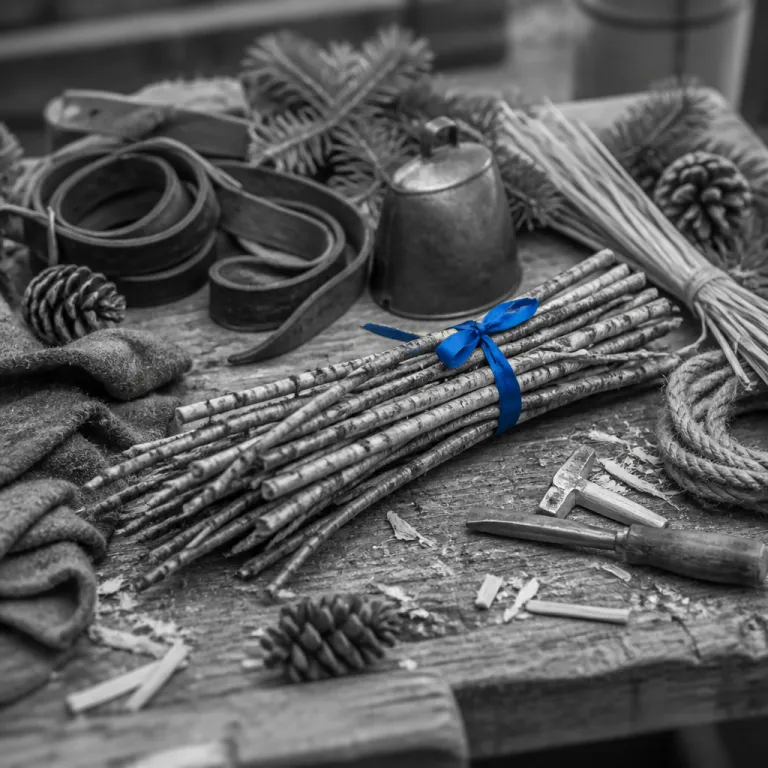
Why a krampusnacht weekend belongs on your short trip list
Planning a short winter escape often means choosing between a classic Christmas market and a ski break. A focused weekend around Krampusnacht 2025–style celebrations offers a sharper, more atmospheric alternative that still fits neatly into two or three December nights. For travellers who enjoy folklore, performance, and a touch of theatrical menace, a Krampus Night–themed getaway can become the best seasonal story you bring home.
Krampusnacht is traditionally held on 5 December in various Alpine towns, where horned Krampus figures roam the streets as a dark counterpart to St. Nicholas. Official guidance from regional tourism offices explains it clearly: “What is the origin of Krampusnacht? Krampusnacht originates from Alpine folklore as a pre-Christian tradition to scare misbehaving children.” When you plan a weekend around this event, you step into a living Central European holiday ritual rather than a staged theme park show.
Across Austria and southern Germany, tourism boards now coordinate hundreds of Krampus events each year. The Austrian National Tourist Office reports that more than 300 registered Krampus and Perchten runs take place across the country every season, with local organisers in regions such as Salzburg and Tyrol describing typical crowds in the low thousands for major parades. That scale means you can choose between intimate village gatherings or a larger Krampus parade in a regional hub, depending on how intense you want your Saturday in December to feel. For a short trip, plan on one main Krampusnacht event plus time for a quieter Christmas market or Krampus market on either side.
Think of Krampusnacht as the winter equivalent of a tightly curated festival weekend. You arrive, check in, and your first evening might already include a smaller Krampuslauf or a local costume contest in the main square. The next night, you focus on the headline Krampusnacht Saturday event, then close your trip with a calmer morning exploring a gift shop or sampling pastries before your return train.
Because many events run in all weather, flexibility is essential when you plan your short break. Some Krampus Night celebrations feel almost family friendly, while others lean into adult-only themes that can be intense for younger visitors. Always read each event description carefully, and if a parade from previous seasons looked too wild in photos, choose a different town whose organisers emphasise folklore over shock.
On a practical level, a Krampusnacht weekend suits travellers who like clear structure. You anchor your stay around one or two fixed time slots, then build relaxed hours of café hopping, market browsing, and scenic walks around them. That balance between scheduled spectacle and unscripted wandering is exactly what most short trips and weekends need.
Choosing the right Alpine town and krampusnacht event
Not every Krampusnacht event feels the same, so your choice of town shapes the entire weekend. Smaller Austrian villages in the Alpine region often host traditional Krampuslauf processions where local club members wear hand-carved wooden masks and heavy cowbells. Larger German cities may stage a more theatrical Krampus parade with amplified music, elaborate lighting, and a structured naughty-versus-nice storyline.
To see the range, look at well-known examples such as the Salzburg Krampuslauf, the Gastein Valley Perchten runs, or the Innsbruck Krampus parades, then compare them with bigger-city spectacles in Munich or Berchtesgaden. Start by deciding how intense you want your first close-up view of Krampus to be. If you are travelling with children, look for a Krampusnacht celebration that clearly states it is suitable for families and that separates the adult-oriented performances from gentler St. Nicholas appearances. The official Q&A used by several Alpine tourism boards notes: “Is Krampusnacht suitable for children? While some events are family-friendly, others may be intense; it's advisable to check event details beforehand.”
When you read each event post, pay attention to logistics as much as atmosphere. Check whether there is organised parking on the edge of town, or whether visitors are encouraged to arrive by train and walk to the Christmas market area. Many Krampusnacht vendor stalls cluster around the main square, so staying within one kilometre keeps you close to the action while allowing a quick retreat if the noise of the Krampuslauf becomes overwhelming.
Food and drink also vary widely between towns. Some markets lean into rustic Alpine fare, while others feel closer to the Italian sagra style of seasonal food festivals that turn villages into destinations, a model explored in detail in this guide to regional food festivals. When you compare options, look for a Krampus market where local producers, not only generic vendors, sell cheeses, cured meats, and pastries that reflect the region.
Accessibility details matter too, especially on a compressed weekend. Many organisers now specify whether service animals are allowed, how coat check works near the main stage, and whether credit cards are accepted at the Krampusnacht vendor stalls. If you see a note that an event will run in rain or shine, pack waterproof layers and warm footwear rather than relying on last-minute purchases.
Finally, consider how you like to follow updates. Some towns maintain active Facebook pages where you can view announcements about schedule changes, extra tickets, or a new costume contest added to the programme. Others rely on printed posters and local radio, which can make it harder for international visitors to stay informed, so factor that communication style into your choice.
Designing a two night itinerary around krampus night
A well-structured two night itinerary turns Krampusnacht from a single spectacle into a complete weekend narrative. Aim to arrive by early afternoon on the first day, so you can settle in, orient yourself, and view the town before crowds gather. This also gives you time to locate the main market, the Krampus parade route, and any side streets where quieter vendors set up.
On the first evening, start gently with a stroll through the Christmas and Krampus market areas. Warm up with mulled wine, roasted chestnuts, and a visit to a gift shop that sells traditional Krampus masks or postcards, which make easy souvenirs for a short trip. If there is a smaller Friday or early Saturday Krampuslauf, treat it as a preview rather than the main event, especially if you are still adjusting to the cold.
The second day is your core Krampus Night experience. After a slow morning and perhaps a short excursion inspired by other weekend ideas such as the active escapes described in this guide to festival-focused short trips, conserve energy for the evening. Many Krampusnacht Saturday programmes begin at dusk, with St. Nicholas greeting children before the Krampus figures emerge in a choreographed sequence.
Expect a mix of theatricality and chaos as the Krampus move through the streets. Some events maintain a symbolic naughty list, calling out names for playful scares, while others focus on visual spectacle with torches and smoke. If you prefer a calmer view, position yourself near the start or end of the route, where the density of performers and adult jokes tends to be lower.
Logistics can make or break a short festival weekend. Confirm where the official coat check is located, especially if temperatures drop below freezing and you need layers during the wait before the main event. Check whether the organisers accept credit cards at food stalls or whether you should withdraw cash earlier in the day, because queues at ATMs can be long once the Krampusnacht crowds arrive.
On your final morning, leave room for one last walk through the now quiet streets. This is the moment to reflect on the contrast between the previous night’s noise and the peaceful town you see now, a contrast that makes Krampusnacht weekends so memorable. If you plan to return another year, note which elements of the event worked best for you, from the timing of the Krampus parade to the quality of the Krampus market vendors.
Tickets, safety, and practical details for a smooth festival stay
Short trips leave little margin for error, so handling tickets and logistics early is essential. Some Krampusnacht events remain free, while others now require timed entry tickets to control crowd size and improve safety. When you compare options, prioritise events that clearly explain their policies on capacity, service animals, and emergency procedures.
Many organisers now sell tickets online, often linking directly from their official Facebook pages where you can follow updates. Before you purchase, read the full event description rather than skimming, because details about parking, coat check, and restricted areas often appear near the bottom. If the website uses a “skip to content” link at the top for accessibility, use it to jump straight to the practical information section.
Safety around the Krampuslauf and main Krampus parade deserves particular attention. Costumed performers carry cowbells, chains, or birch switches, and while they are trained, the combination of low light, cobblestones, and excited crowds can create trip hazards. Choose footwear with good grip, keep a respectful distance from the most energetic Krampus figures, and agree on a meeting point in case your group becomes separated.
Weather is another non-negotiable factor. Most Krampusnacht celebrations proceed in rain or shine, so pack waterproof outer layers, gloves, and a hat rather than relying on umbrellas that can obstruct the view. If you are sensitive to smoke or loud noises, consider earplugs and a scarf you can pull over your mouth when the densest clouds of incense or pyrotechnics drift through.
Accessibility and inclusivity have improved significantly as the festival spreads beyond its Alpine core. Many towns now provide designated viewing zones for families, older visitors, and people with reduced mobility, along with clear signage about where service animals are welcome. If you need these facilities, email the tourism office well before December, because smaller towns may rely on volunteers and cannot always respond to last-minute requests.
Finally, treat your Krampusnacht weekend as you would any concentrated festival trip. Keep copies of your tickets offline in case mobile coverage fails when crowds peak, and carry a small power bank so your phone remains available for navigation and emergency calls. A little preparation ensures that the only surprises you encounter come from the Krampus themselves, not from preventable logistical snags.
What to wear, how to engage, and where to share your experience
Clothing choices can transform your comfort level during a winter festival weekend. For Krampusnacht, think in layers that you can adjust as you move between warm taverns, chilly streets, and crowded viewing zones. A moisture-wicking base layer, insulating mid layer, and windproof outer shell usually work better than a single heavy coat.
Many visitors enjoy leaning into the theme with subtle nods to the naughty–nice dynamic. Red scarves, horn-shaped headbands, or small Krampus pins from a local gift shop add character without competing with the official costumes. If you plan to enter a costume contest, check the rules in advance, because some events restrict full-face masks or props for safety reasons.
Engagement goes beyond clothing, though. Respectful participation means giving performers space, avoiding flash photography that can blind Krampus figures, and keeping to the sides when the Krampuslauf surges forward. Parents should gauge how their children react to the first close view of a Krampus before moving closer, because adult humour and sudden lunges can overwhelm sensitive youngsters.
Sharing your experience thoughtfully helps sustain the tradition. When you post photos or a longer trip report on social media, tag the local tourism board and event organisers rather than only using generic Christmas or holiday hashtags. This makes it easier for future visitors to find accurate information and for organisers to show sponsors how the event reaches international audiences.
Facebook remains the most common platform for official updates, especially in smaller towns. Many events encourage visitors to follow their pages throughout the year, where they share behind-the-scenes glimpses of mask carving, costume maintenance, and planning meetings. If you enjoyed a particular Krampusnacht vendor or food stall, mention them by name in your post, because word of mouth can be as valuable as formal reviews.
For travellers who enjoy combining cultural immersion with other active escapes, consider pairing your Krampusnacht weekend with a nearby mountain or lake experience. Guides such as this overview of what three days at a surf camp can teach you show how concentrated experiences can reshape your sense of time away. The same principle applies here: a focused Krampus Night immersion can feel as restorative as a longer, less structured holiday.
Extending your krampusnacht weekend into a broader festive journey
Once you have experienced one well-organised Krampusnacht weekend, it becomes tempting to build a longer itinerary around related events. Some travellers choose to string together multiple Krampus Night celebrations across different Alpine towns, comparing how each community interprets the folklore. Others prefer to pair a single intense Krampusnacht Saturday with calmer days in nearby cities known for their Christmas markets.
Because there are now hundreds of Krampus events across Austria and neighbouring countries each year, you can design routes that match your interests and tolerance for crowds. One option is to start in a smaller village where the Krampuslauf feels intimate, then move to a larger city for a grand Krampus parade with more elaborate staging. Another is to focus on regions where local artisans still carve traditional masks, turning your trip into a blend of festival and craft-focused travel.
Logistically, extending your stay requires more attention to accommodation and transport, but the same principles apply. Check whether towns are linked by direct trains or whether you will rely on buses that may run less frequently on Saturday evenings in December. When you compare options, consider not only the headline events but also the quality of everyday experiences, from cafés to walking paths, because these fill the hours before and after the main festivities.
Financially, a longer festive journey can remain manageable if you plan carefully. Many markets accept credit cards, but smaller Krampusnacht vendor stalls may still prefer cash, so mix both payment methods. Look for midweek nights between major events, when room rates often drop, and treat those pauses as recovery days after the intensity of loud bells, smoke, and late nights.
Emotionally, alternating high-energy events with quieter interludes helps prevent fatigue. After a particularly intense Krampusnacht celebration, you might welcome a day in a museum, a thermal spa, or a quiet lakeside town where the only bells you hear belong to distant churches. This rhythm keeps the folklore fresh rather than blurring into one long, indistinct memory.
Ultimately, whether you choose a single weekend or a multi-stop route, the key is intentionality. Decide what you want from the season: a sharp jolt of theatrical darkness to balance the sweetness of Christmas, a deeper understanding of Alpine folklore, or simply a new way to structure your short trips and weekends. With that clarity, every Krampusnacht decision, from which market to visit to which naughty-list-themed souvenir to buy, becomes easier.
Key figures and practical statistics for krampusnacht trips
- The Austrian National Tourist Office reports that more than 300 Krampus and Perchten events take place in Austria each season, giving weekend travellers a wide choice of towns and formats.
- Local organisers in regions such as Salzburg, Styria, and Tyrol estimate average attendance in the range of 3,000–6,000 people per major event, so visitors should expect dense crowds near the main Krampus parade routes.
- Most Krampusnacht celebrations occur on or around 5 December, the traditional eve of St. Nicholas Day, which helps travellers align short trips with fixed calendar dates.
- Events now extend beyond Austria into Germany, Slovenia, and other Alpine countries, reflecting growing international interest and making cross-border itineraries easier to plan.
- Many towns have introduced timed entry tickets and controlled viewing zones in recent years, a response to rising attendance that improves safety and overall visitor experience.
Frequently asked questions about krampusnacht weekends
What is the origin of krampusnacht and krampus night traditions ?
Krampusnacht stems from pre-Christian Alpine folklore in which the horned Krampus figure punishes naughty children while St. Nicholas rewards the well behaved. Over time, these roles merged into paired celebrations held on the eve of St. Nicholas Day, especially in Austria and southern Germany. Modern events keep the core narrative while adapting it into parades, performances, and community gatherings.
How is krampusnacht typically celebrated during a weekend trip ?
Most towns organise an evening Krampuslauf or Krampus parade where costumed performers move through streets, rattling chains and cowbells. Surrounding this, visitors enjoy Christmas and Krampus markets, food stalls, and sometimes a formal costume contest or stage show. For weekend travellers, the celebration usually anchors one main night, with quieter sightseeing and market visits on the other days.
Is krampusnacht suitable for children and mixed age groups ?
Suitability varies by event, so families must check details carefully before choosing a destination. Some towns design family-friendly zones and clearly separate the most intense adult-oriented performances from general viewing areas. Others embrace a darker, louder style that may overwhelm younger children, making them better suited to adult or older teen groups.
Do I need tickets for krampusnacht events, or can I just turn up ?
Many smaller village events remain open access, but larger city celebrations increasingly require tickets or controlled entry to manage crowds. Travellers should check official tourism or event pages several months in advance, especially for popular Saturday dates in December. Buying tickets early also helps with planning accommodation and transport around the main festivities.
What should I pack for a krampusnacht weekend in the Alpine region ?
Expect cold, potentially wet conditions and pack layered clothing, waterproof outerwear, gloves, and a warm hat. Comfortable shoes with good grip are essential for standing on cobblestones during the Krampuslauf and walking between market areas. A small daypack, reusable cup, and portable charger round out a practical kit for long evenings outdoors.