Why a european night train makes sense for weekend trips
Leave the office at dusk, step onto a night train, and reclaim your weekend. Instead of losing half a Saturday to airports, security lines, and transfers, you turn the travel night itself into part of the experience across Europe. For couples planning a short escape, this european night train guide first time approach often means an extra relaxed breakfast at your destination instead of a bleary airport coffee.
Across Europe, overnight trains now connect major cities on dense routes that suit Friday to Sunday breaks. The Austrian operator ÖBB Nightjet has rebuilt the idea of sleeper trains as a comfortable, time efficient way to travel, while European Sleeper focuses on linking capitals where flying once felt unavoidable. For a first timer, this shift means you can treat train travel as a premium choice rather than a budget compromise, especially when you factor in one less hotel night.
Think of the european night as a moving hotel corridor where your compartment quietly crosses borders while you sleep. A basic seat in standard class is the cheapest option, but it offers the least rest on long trains Europe wide, so couples usually prefer at least a shared couchette. When you compare a private sleeper compartment with a mid range city hotel, the combined ticket and bed often match the cost of a flight plus taxi plus room.
Night trains in operation now number around one hundred services, according to European Rail Guide. Average ticket prices for a night train berth start near fifty euros, based on Eurail data, which is competitive once you subtract a hotel bill. Eurotrekker figures suggest that choosing overnight trains instead of short haul flights can save around fifty kilograms of CO₂ per trip, a meaningful reduction for frequent weekend travelling.
Best beginner routes and how to read the train map
For your european night train guide first time itinerary, start with routes that run like clockwork and serve city center stations. The new European Sleeper service between Paris and Berlin is ideal for couples who want a cultured weekend with minimal logistics, since both termini sit close to key museums and restaurants. You board at night, settle into your berth, and wake up with the Reichstag or the Seine only a short tram ride away.
ÖBB Nightjet’s Vienna to Rome line is another classic for a romantic travel night, especially if you pair it with a few days in the Austrian capital beforehand. On this route, Nightjet sleeper compartments range from shared couchettes with four or six bunks to private cabins with en suite facilities, so you can match comfort level and class ticket to your budget. The same network also runs from Vienna to Paris, Munich to Venice, and Zürich to Barcelona, giving you a ready made train map of long weekend options.
In the United Kingdom, the Caledonian Sleeper between London and Edinburgh or Inverness offers a different style of european night journey. Here, the focus is less on crossing borders and more on waking up in the Scottish Highlands after a civilised evening in the lounge car. If you are planning shoulder season escapes and wondering where to go for short breaks in September, pairing this sleeper with curated ideas from the best countries for a perfect shoulder season escape can help you structure a series of weekend trips.
Travelling into eastern Europe by night train is becoming easier as operators add new routes and restore classic lines. European Sleeper is gradually extending services deeper into eastern Europe, while ÖBB Nightjet links Vienna with cities that once required awkward daytime connections. When you study a current train map, look for overnight trains that depart between 19:00 and 23:00 and arrive after 07:00, since those timings maximise sleep and minimise wasted daylight.
Cabin types, classes and what “sleeper” really means
Understanding the difference between seats, couchettes, and sleepers is central to any european night train guide first time. A standard seat in second class is the cheapest way to travel at night, but on most night trains it means limited legroom, bright corridors, and frequent noise. Couples who value rest usually treat seats as a last resort rather than a smart choice for a romantic weekend.
Couchette compartments are the middle ground, offering four or six bunks in a shared space that converts from seats to beds. A four berth couchette feels calmer for couples, while six berth couchettes suit groups of friends who do not mind climbing to upper bunks. On some trains Europe wide, you can pay a modest supplement to reserve an entire couchette compartment for two, effectively turning it into a private cabin without the full sleeper price.
True sleeper compartments are closer to compact hotel rooms, with proper beds, fresh linens, and often a washbasin or private shower. On ÖBB Nightjet services, the Nightjet sleeper cabins come in several class options, from standard sleeper to deluxe with en suite bathroom and breakfast included in the ticket. When you compare a sleeper class ticket with a flight plus a central hotel, the overall cost for a weekend often balances out, especially once you factor in airport transfers.
Some couples still dream of the Orient Express, but modern sleeper trains focus less on nostalgia and more on efficient comfort. Operators like ÖBB and European Sleeper provide clear diagrams of berth layouts, so you can see whether bunks run lengthways or across the compartment before booking. If you are flying into Europe from further afield with airlines such as Alaska Airlines, which now connects Seattle to European hubs, you can then slot a Nightjet or other overnight trains into a wider itinerary, using insights from this analysis of new routes that change the game from Seattle.
How to book: passes, tickets and where to click first
For a european night train guide first time, the booking process can feel more complex than a simple flight search. Start with research on specialist sites such as The Man in Seat 61, which explains individual night trains, sleeper layouts, and seasonal timetable quirks. Once you know your preferred route and compartment type, you can compare prices between direct operator websites and multi carrier platforms.
Booking directly with ÖBB Nightjet or European Sleeper often yields the best fares and clearer information about sleeper compartments and couchette availability. Multi operator tools like Trainline are convenient when you are stitching together several trains Europe wide, but they may not always show the full range of class ticket options for each night train. For popular overnight trains, experts generally advise booking at least three to four months ahead, especially if you want a private sleeper or a specific berth.
If you are using a Eurail Pass or Interrail Pass, remember that the pass usually covers the base fare but not the reservation for sleeper trains. You still need to pay a supplement for a couchette or sleeper compartment, and those supplements vary by route and class. When planning a weekend, check whether your pass offers value on that specific journey or whether a simple point to point ticket for the night train might be cheaper.
Some couples like to combine a rail pass with a few carefully chosen overnight trains to create a longer slow travel loop across Europe. In that case, map out your travel night segments first, then fill in daytime trains around them, keeping an eye on border controls where passport checks may briefly interrupt sleep. For Venice weekends that include a Nightjet sleeper arrival, it is worth reading this step by step guide to the city’s visitor levy at Venice’s day fee for weekend visitors so that your train travel dovetails neatly with local regulations.
What to pack, how to sleep and when night trains beat planes
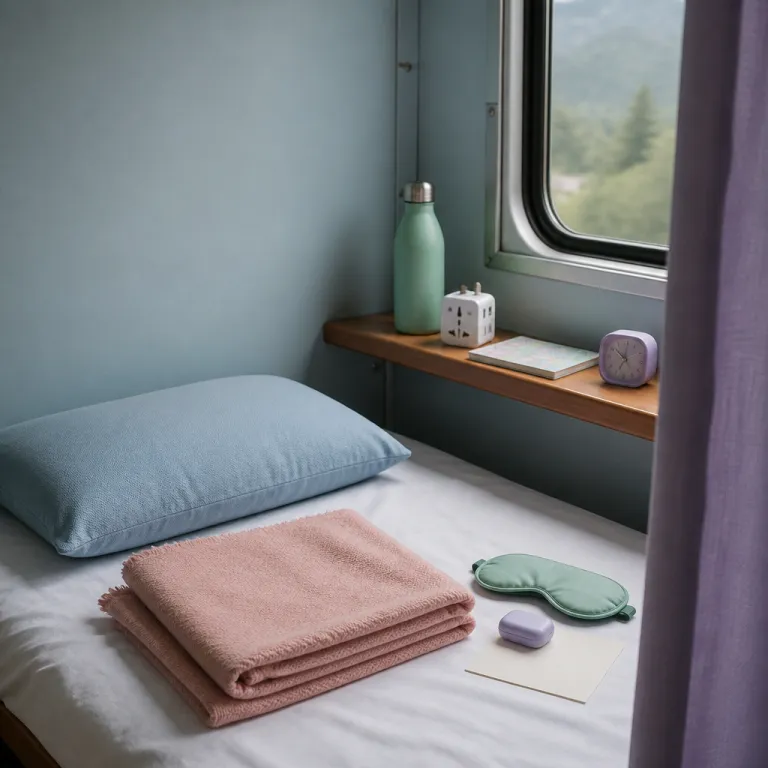
Packing well can turn your european night train guide first time from theory into a genuinely restful experience. Earplugs and an eye mask are non negotiable on most night trains, even in private compartments, because corridor lights and station announcements can break your sleep. A refillable water bottle, light snacks, and a small wash bag make a sleeper compartment feel more like a compact hotel room.
On ÖBB Nightjet services, staff provide fresh linens, pillows, and blankets in both couchettes and sleepers, and many routes include a simple breakfast in the fare. European Sleeper offers similar comforts, with staff converting bunks in couchette compartments from day mode to night mode after departure. Official guidance from operators notes that “Seats, couchettes, and sleepers” are the main accommodation options on night trains, and that “At least 3-4 months for popular routes” is the recommended booking window, while “Yes, but reservations are required” is the rule for rail passes on these services.
From a cost perspective, a night train often competes closely with a budget flight once you add a hotel night and airport transfers. For a couple, two one way tickets in a shared couchette or a modest sleeper can equal the price of flights plus a mid range room, with the bonus of arriving directly in the city center. When you also weigh the lower emissions of overnight trains and the calmer rhythm of train travel, the argument for spending your travel night on rails rather than in a departure lounge becomes compelling.
FAQ: european night trains for first time weekend travellers
How far in advance should I book a european night train?
For popular night trains such as ÖBB Nightjet or European Sleeper, booking three to four months ahead is sensible, especially for private sleeper compartments. Shared couchettes and seats sometimes remain available closer to departure, but couples seeking a specific berth layout should not rely on last minute availability. High demand routes around holidays can sell out even earlier.
Are night trains included in a Eurail Pass or Interrail Pass?
Most overnight trains across Europe accept a Eurail Pass or Interrail Pass for the base fare, but you must pay a separate reservation fee. That supplement covers your chosen accommodation type, whether a seat, a couchette, or a sleeper compartment. Always check the exact supplement for your route and class before assuming the pass will be cheaper than a regular ticket.
What is the difference between a couchette and a sleeper compartment?
A couchette is a simple bunk in a shared compartment, usually with four or six beds and basic bedding. A sleeper compartment is more private, often for one or two travellers, with better mattresses, thicker linens, and sometimes an en suite bathroom. For a first european night train guide first time weekend, many couples choose a sleeper for comfort if the budget allows.
Is it safe to travel by night train as a couple?
European night trains are generally safe, with staff on board, lockable compartments, and regular ticket checks. Couples who book private sleepers or reserve entire couchette compartments for their group usually feel more secure and sleep better. As on any form of travel, keep valuables in a small bag near your pillow and lock the compartment door when inside.
Do border controls interrupt sleep on overnight trains?
On many Schengen routes, border controls are minimal or handled electronically, so staff may only wake passengers briefly if documents need checking. On some eastern Europe routes outside Schengen, passport checks can happen during the night, but staff usually manage the process efficiently. If you are a light sleeper, earplugs and an eye mask help you return to rest quickly after any short interruption.