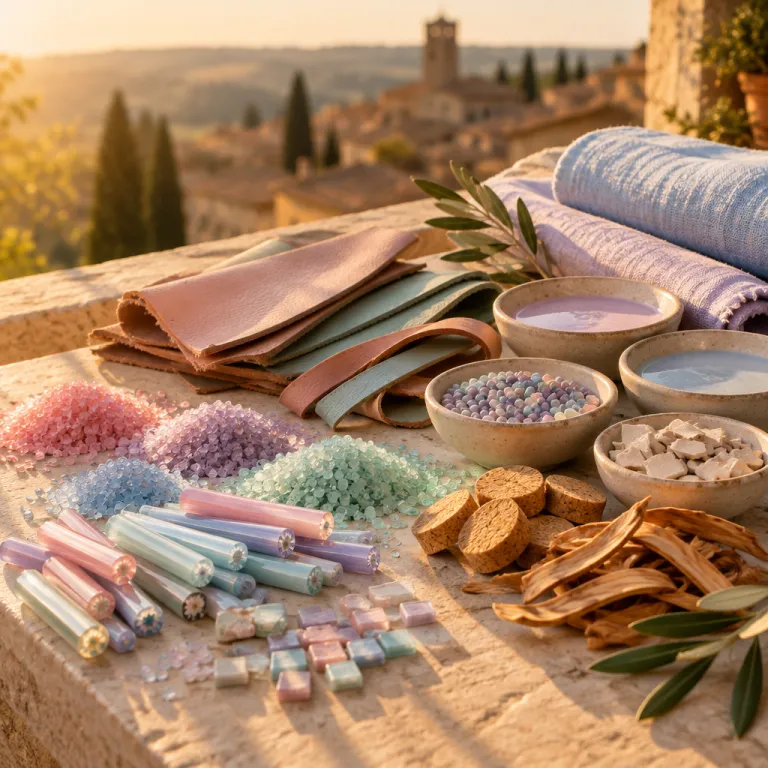
Planning a short cultural escape and the best souvenirs from Italy
Weekend travel in Italy rewards curious visitors with intense cultural immersion. When time is short, the best souvenirs from Italy should extend that immersion long after you return home, turning a two day break into a lasting memory. Thoughtfully picked objects from each city will also anchor your future trips and inspire new cultural journeys.
For a first or second visit, many travellers focus on Rome, Florence, or Venice because each city offers a distinct mix of history, art, and food within a compact area. On a three day tour you can move easily from ancient ruins to contemporary Italian design shops, then finish the evening in neighbourhood restaurants where locals linger over wine. Planning what you want to bring from each stop before you travel will help you avoid rushed, last minute purchases.
Start by listing the categories of souvenirs you truly love to buy, such as leather goods, regional food, or small design pieces for your home. This approach keeps your budget under control and ensures that everything you buy from Italy feels intentional rather than impulsive. It also helps you compare what is on offer in Rome, Florence, and Venice so you can choose the best version of each item instead of buying similar souvenirs in every city.
Short trips demand smart logistics, so consider luggage space and customs rules before you buy anything. High quality wine, olive oil, and ceramics are fragile, while leather wallets and belts are compact and travel well in hand luggage. If you plan several weekend tours in Europe, you will quickly learn which Italian souvenirs survive repeated flights and which are better enjoyed on the spot.
Think of your purchases as part of a wider cultural journey rather than isolated shopping moments. A carefully picked bottle of Barolo from Italy, a hand painted plate from a Florentine artisan, or a small print of a Venetian canal can all recall specific streets, conversations, and meals. When chosen with intention, the best souvenirs from Italy will become a personal archive of your short trips and weekends.
Leather goods from Florence and Rome for refined weekend mementos
Florence has a centuries long reputation for leather craftsmanship, making it a top city for buying durable, elegant souvenirs. Around Santa Croce and the Oltrarno district you will find workshops where artisans cut, dye, and stitch leather goods on site, allowing you to see exactly how your future keepsake is made. These spaces feel far removed from tourist markets and reward travellers who value high quality materials and traditional techniques.
When you plan a short cultural tour focused on shopping, allocate at least half a day in Florence for visiting leather ateliers. Look for full grain leather, neat stitching, and hardware that feels solid in the hand, because these details indicate high quality construction that will age gracefully. Classic pieces such as leather wallets and belts, structured handbags, and slim document holders are ideal for weekend travel, since they pack flat and coordinate easily with different outfits.
Rome also offers excellent leather goods, especially in neighbourhoods like Trastevere and near Campo de' Fiori where small family shops still operate. In the capital you can combine a morning visit to ancient sites with an afternoon spent comparing leather jackets, belts, and bags, then finish the day in traditional restaurants serving Roman specialities. Many travellers love to buy a single statement piece from Rome, such as a tailored leather jacket, and smaller souvenirs like card holders from Florence.
For cultural journeys that extend beyond Europe, you might pair an Italian weekend with a longer adventure in another region. If you are planning a future trip to Central America, for example, reading about markets and Mayan heritage at Lake Atitlán can help you compare how artisans in different countries treat leather, textiles, and colour. This broader perspective will sharpen your eye when you next buy from Italy, encouraging you to pick pieces that genuinely reflect Italian style rather than generic tourist designs.
Always ask shop owners where their leather comes from and how each item is produced, because transparency is a strong indicator of quality. Many artisans in Florence and Rome will explain tanning methods, show you sample hides, and even adjust straps or punch extra holes in belts while you wait. These small services turn a simple purchase into a memorable cultural exchange and reinforce why leather remains one of the best souvenirs from Italy for frequent weekend travellers.
Food, wine, and restaurant inspired gifts from Italy’s classic cities
For many travellers, the best souvenirs from Italy are edible, because flavours can instantly transport you back to a favourite piazza. Short trips are perfect for tasting widely, then choosing a few carefully packed items to bring from each region you visit. With some planning, you can turn restaurant experiences in Rome, Florence, and Venice into a curated pantry at home.
In Rome, focus on pantry staples that reflect the city’s bold, savoury cooking style, such as pecorino Romano, guanciale, and dried pasta from small producers. Ask staff in traditional restaurants which brands they personally buy from, because their recommendations often lead you to neighbourhood shops away from the main tourist streets. When you later recreate cacio e pepe or amatriciana at home, these ingredients will recall specific trattorie and the relaxed rhythm of Roman evenings.
Florence and the wider Tuscan countryside are ideal for wine focused weekends, especially if you join short tours that combine tastings with visits to hilltop villages. Many estates offer compact shipping friendly formats, such as half bottles or mixed cases, which suit travellers who love to buy from several vineyards but have limited luggage space. When selecting wine as a souvenir from Italy, look for appellations like Chianti Classico, Brunello di Montalcino, or Vino Nobile di Montepulciano, and note tasting details in a small notebook.
Venice, by contrast, lends itself to lighter, lagoon inspired flavours, so consider bringing home jars of marinated artichokes, regional biscuits, or artisanal grappa. Combine these with a bottle of Prosecco from the nearby Valdobbiadene area to recreate Venetian aperitivo culture during your next weekend at home. If you enjoy planning themed escapes, you might also explore ideas for elegant Dutch souvenirs and compare how different European cities express their culinary identity through gifts.
Always check customs regulations before you buy food or wine from Italy, especially when travelling outside the European Union. Vacuum packed cheeses, sealed jars, and professionally bottled wines usually travel well, while fresh meats or unpasteurised products may be restricted. By aligning your purchases with both regulations and your own cooking habits, you ensure that these edible souvenirs remain among the best souvenirs from Italy for culturally minded weekend travellers.
Artisanal crafts and small design pieces from Venice and beyond
Art and design lovers often consider Venice the top city for visually striking souvenirs, especially for short cultural breaks. The lagoon’s long history of glassmaking and printmaking means you can buy from workshops that still use traditional techniques, even on a two day visit. Choosing small but expressive pieces keeps your luggage light while adding character to your home.
Murano glass is one of the best known souvenirs from Italy, yet quality varies widely between shops. To ensure you are buying high quality work, visit established furnaces on Murano itself, ask about certificates of authenticity, and observe whether artisans are present on site. Compact items such as glass jewellery, paperweights, or small vases are ideal for weekend travel, since they fit easily between clothes when wrapped carefully.
In the quieter streets of Venice you will also find printmakers, mask makers, and bookbinders producing limited runs of notebooks, engravings, and hand marbled papers. These small design objects make refined gifts for friends who love to buy stationery, and they also serve as elegant reminders of your own cultural journeys. When combined with leather goods from Florence or ceramics from Rome, they create a cohesive collection of the best souvenirs from Italy that reflects multiple regions.
Travellers who enjoy comparing cities might plan a sequence of weekend tours across Europe, alternating art focused escapes with food centric ones. For example, after a Venetian break you could plan an elegant city escape in the Netherlands, using resources such as a detailed Amsterdam weekend city escape guide to structure your itinerary. Observing how different destinations present their crafts will sharpen your sense of what to bring from each place and which items you truly love to buy.
When time is limited, it helps to research a few specific addresses before you travel, then leave space for spontaneous finds. Many of the most memorable souvenirs from Italy come from tiny workshops you stumble upon while wandering side streets rather than from major shopping avenues. By balancing planned visits with open exploration, you will assemble a set of objects that feels personal, meaningful, and perfectly suited to short cultural trips.
How to choose the best souvenirs from Italy on a tight schedule
Weekend travellers often worry about wasting precious hours on unfocused shopping. A simple framework can help you pick the best souvenirs from Italy quickly while still honouring each city’s character. Think in terms of categories, budgets, and emotional resonance rather than sheer quantity.
Start by deciding how many items you want to bring from each destination, then assign a rough budget per category such as leather goods, food, wine, or small design pieces. This structure keeps you from buying similar souvenirs repeatedly, such as multiple wallets and belts when one excellent example would suffice. It also encourages you to seek out high quality items that will last for years instead of settling for cheaper, forgettable trinkets.
Next, prioritise shops and markets that align with your interests, whether that means artisan workshops in Florence, enotecas in Rome, or glass studios in Venice. Short, focused tours such as guided food walks or artisan visits can introduce you to trusted vendors quickly, saving time you would otherwise spend comparing options. Many guides share personal lists of where they buy from, which can be invaluable when you only have one afternoon for shopping.
When evaluating potential purchases, ask yourself whether the item reflects something specific about the place or simply repeats a generic Italian motif. A hand stitched leather card holder from a Roman workshop, a limited edition print of a Venetian bridge, or a bottle of wine from a small Tuscan estate will all carry more meaning than mass produced magnets. Over time, this selective approach will build a collection of the best souvenirs from Italy that tells the story of your cultural journeys weekend by weekend.
Finally, remember that your time is also a valuable resource during short trips. If a shop feels pushy or the quality seems inconsistent, move on without hesitation and protect both your schedule and your budget. The right souvenirs will appear naturally when you combine clear intentions with a relaxed, observant attitude to each city you visit.
Practical tips for packing, shipping, and caring for Italian souvenirs
Once you have chosen the best souvenirs from Italy, the next challenge is getting them home safely. Weekend travellers often rely on carry on luggage, so packing strategy becomes as important as the items themselves. A little preparation before you travel will protect both fragile objects and your clothing.
For leather goods such as wallets, belts, jackets, or bags, stuff interiors with soft clothing and wrap metal hardware to prevent scratches. Keep leather away from potential spills like wine or olive oil by placing food souvenirs in sealed plastic bags or dedicated pouches. When you return home, condition leather with a neutral cream and store items away from direct sunlight to preserve their colour and suppleness.
Fragile pieces from Venice, including Murano glass or delicate ceramics, require extra care during both packing and transit. Wrap each object in tissue, then in bubble wrap, and place it at the centre of your suitcase surrounded by soft garments for cushioning. If you have invested in particularly high quality or heavy items, consider paying for shipping from Italy directly to your home, using reputable services that provide tracking and insurance.
Wine and other liquids should travel in specialised bottle sleeves or well padded cardboard tubes, especially if you are flying with checked luggage. Always respect airline and customs regulations regarding quantities you can bring from abroad, and keep receipts handy in case officials ask about value. For travellers who love to buy from multiple regions, it can be more practical to ship a mixed case from a single wine shop rather than carrying several individual bottles.
After each trip, take a few minutes to note where you bought your favourite pieces, including shop names and neighbourhoods in Rome, Florence, or Venice. These details will help you share recommendations with friends and plan future cultural journeys that build on your existing collection. Over time, caring properly for your souvenirs will ensure that the best souvenirs from Italy remain beautiful, functional companions to your ongoing series of short trips and weekends.
Key figures on Italian tourism, shopping, and short cultural trips
- According to the Italian National Institute of Statistics (ISTAT), Italy welcomed more than 430 million overnight stays in tourist accommodation in a recent pre pandemic year, with city breaks in Rome, Florence, and Venice representing a significant share of international visits.
- Data from the European Travel Commission indicate that cultural tourism accounts for roughly 40 percent of all trips to Italy, highlighting how strongly travellers associate the country with art, history, and gastronomy.
- Research by the United Nations World Tourism Organization shows that shopping can represent between 20 and 30 percent of total trip expenditure for international visitors, underlining the economic importance of souvenirs and local products.
- Surveys by the Italian wine association Unione Italiana Vini report that wine tourism generates billions of euros annually, with many visitors combining short stays in cities like Florence with day trips to nearby wine regions.
- Studies from the European Commission on consumer behaviour suggest that travellers increasingly prioritise high quality, locally made goods over mass produced items, a trend that favours artisan leather goods, regional foods, and small design objects in Italy.
FAQ about the best souvenirs from Italy for short trips
What are the best souvenirs from Italy for a weekend city break ?
For a short city break, focus on compact, high quality items such as leather wallets and belts from Florence or Rome, small Murano glass pieces from Venice, and regional food products like dried pasta, olive oil, or biscuits. These souvenirs pack easily, reflect local culture, and can be enjoyed long after your return. Combining one item from each category creates a balanced, memorable selection.
Where should I buy leather goods during a short trip to Italy ?
Florence is widely regarded as the top destination for leather goods, especially in areas like Santa Croce and the Oltrarno where many workshops still produce items by hand. Rome also offers excellent options in neighbourhoods such as Trastevere and around Campo de' Fiori, where small family run shops sell belts, bags, and jackets. Always look for full grain leather, neat stitching, and transparent information about sourcing and production.
How can I safely bring wine and food home from Italy on a weekend trip ?
Use padded bottle sleeves or sturdy cardboard tubes for wine, and place them in the centre of your suitcase surrounded by soft clothing. Choose vacuum packed or sealed food items that comply with customs regulations in your home country, and keep receipts in case officials request proof of value. If you plan to buy several bottles or fragile products, consider shipping them directly from a reputable shop.
Are artisan souvenirs in Italy much more expensive than mass produced items ?
Artisan souvenirs such as hand stitched leather goods or Murano glass usually cost more than mass produced alternatives, but they offer superior quality, durability, and cultural value. For weekend travellers with limited time, investing in one or two high quality pieces often provides better long term satisfaction than buying many cheaper items. Setting a clear budget before you travel helps you make confident decisions in artisan shops.
What is the best way to plan shopping around a short cultural itinerary ?
Start by identifying one or two key shopping areas in each city, then schedule visits between cultural sites to avoid losing large blocks of sightseeing time. Guided food or artisan tours can introduce you quickly to trusted vendors, allowing you to return later for focused purchases. Keep a small list of items you most want to bring from Italy so that your choices remain intentional rather than impulsive.