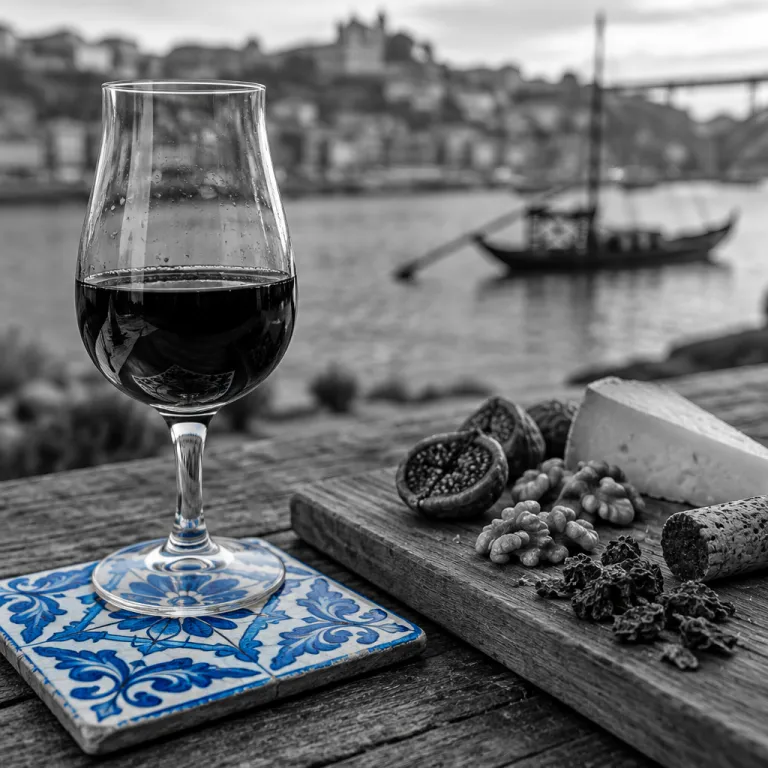
Planning a short break in Porto around the best porto wine
Porto is one of Europe’s most rewarding cities for a two or three day escape. In a compact area you can explore the historic Ribeira quarter, cross the Douro River, and taste some of the best porto wine in atmospheric cellars. For travelers focused on short trips and weekends, the city’s walkable size and dense concentration of port houses make it ideal.
Base yourself near the riverfront so you can reach the main port lodges on foot and still have time for other activities. A well planned weekend can combine a guided port wine tasting, a short port tour in Vila Nova de Gaia, and a half day cruise on the Douro. This structure lets you compare different port styles, from young ruby port to complex tawny ports, without feeling rushed.
Think of your stay as a sequence of tasting moments rather than one long session. Schedule an introductory visit to a classic house such as Graham’s or Ferreira on the first afternoon, when your palate is fresh. On the second day, focus on more specialized experiences such as vintage ports, white port cocktails, or a quick excursion into the Douro Valley.
Choosing where to stay for a wine focused weekend
For a short break centered on the best porto wine, location matters more than room size. Staying on the Porto side near São Bento station or Clérigos Tower keeps you close to restaurants, tram lines, and the river. From there you can walk to the lower deck of Dom Luís I Bridge and cross to Vila Nova de Gaia in less than fifteen minutes.
Travelers who want to wake up with direct views of the port lodges often choose accommodation on the Vila Nova bank instead. This area, sometimes called Nova Gaia, places you steps from major cellars offering guided tours and structured tasting flights. It is especially convenient if you plan several tours in one day and want to rest between port wine sessions.
Weekend visitors who prefer quieter evenings can look slightly uphill from the river. These neighborhoods still give easy access to the port Douro waterfront while offering calmer streets and local cafés. Wherever you stay, confirm that public transport or taxis are available late, because after tasting aged ports and reserve ruby selections you should not be driving.
Understanding port styles before your first tasting tour
Arriving in Porto with a basic grasp of port styles will transform your weekend. The term port wine covers several distinct categories, each with its own aging process, flavor profile, and ideal serving moment. Knowing the difference between ruby, tawny, white, and vintage ports helps you ask better questions during guided tours.
Ruby port is usually the starting point for many visitors exploring the best porto wine. These wines are aged for a shorter time in large vats to preserve deep color and fresh fruit. A standard ruby is often bold and straightforward, while a reserve ruby offers more concentration and complexity without the price of vintage ports.
Tawny port follows a different path, spending long years in smaller barrels where controlled oxidation occurs. This aging in wood gradually turns the color from ruby to amber and develops flavors of nuts, caramel, and dried fruit. When you see labels such as 10 year tawny or 20 year tawny, they indicate an average age, not a precise figure for each component wine.
White and rosé options for warm weekend afternoons
White port is an excellent choice for travelers visiting in warmer months. Produced from white grapes and often aged in wood, white ports can range from dry to very sweet, making them versatile for aperitifs and cocktails. Many bars in Porto serve a simple mix of chilled white port, tonic water, and citrus, which suits a relaxed afternoon between sightseeing stops.
Some houses also offer year white indications, similar in spirit to year tawny labels, to signal more mature white wines. These aged white ports show honeyed notes and a richer texture, pairing well with cheese boards during a leisurely tasting. For short trips and weekends, trying both young and aged white port styles in one session gives a quick overview of their range.
Rosé ports exist but remain a niche option compared with ruby and tawny ports. If you are curious, ask during your visit whether a rosé tasting is available, as not all lodges produce them. Focus first on the core categories of ruby port, tawny port, white port, and at least one vintage or late bottled vintage (LBV) to build a solid foundation.
Vintage, LBV, and tawny vintage for serious enthusiasts
Vintage ports represent the pinnacle for many collectors and are central to any discussion of the best porto wine. Declared only in exceptional harvests, these wines are bottled after a short period in cask and then age for decades in bottle. During a weekend stay you will not witness that long evolution, but you can taste mature vintage ports by the glass at specialized bars.
Late bottled vintage, often written as port LBV, offers a more accessible route into this style. LBV wines come from a single year like vintage ports but spend longer aging in cask before bottling, making them ready to drink sooner. Many houses offer LBV tastings that allow you to compare one LBV with a standard ruby and a reserve ruby in the same flight.
Tawny vintage is a rarer category that combines elements of both traditions. These wines can show the depth of vintage fruit with the nutty complexity of long barrel aging. If your guided tours include a chance to sample tawny vintage alongside classic tawny ports, take notes so you can recall which styles suited your palate best.
Designing a weekend of port wine tours and tastings
A well structured itinerary is essential when your time in Porto is limited. Aim to balance cellar visits, city walks, and relaxed meals so that each tasting feels intentional rather than rushed. For many travelers, two or three guided tours across a weekend provide enough depth without overwhelming the senses.
On the first afternoon, cross to Vila Nova de Gaia and join a classic port tour at a historic house such as Ferreira or Ramos Pinto. These visits usually explain the history of port Douro production, the role of the Douro Valley vineyards, and the logistics of transporting wines downriver. The tasting at the end often includes a ruby port, a tawny port, and sometimes a white port, giving you a structured introduction to the main styles.
The next morning, consider a more specialized experience focused on aged wines. Some lodges offer vertical tastings of 10, 20, and 30 year tawny ports, which highlight how extended aging changes color, aroma, and texture. Others may present flights of LBV and vintage ports, allowing you to compare how a port ruby profile evolves when bottled young versus when designed for long cellaring.
Combining food tours with port experiences
Short trips and weekends are ideal for pairing wine activities with food focused walks. A guided food tour through central Porto can introduce you to local specialties such as francesinha, salt cod dishes, and custard pastries. Many operators now integrate a small port wine tasting into these tours, often featuring white port as an aperitif or a glass of tawny with dessert.
If you are planning a broader Iberian itinerary, you might connect your Porto weekend with Spanish culinary experiences. For example, travelers interested in cured meats often compare jamón serrano and jamón ibérico during a dedicated weekend in Spain for food lovers. Returning to Porto afterward, you can then explore how different port styles pair with charcuterie, cheeses, and seafood.
When booking food tours, check whether port wines are served in proper wine glasses rather than small shot style cups. The shape of the glass influences how aromas develop, especially for aged tawny ports and complex vintage ports. For a focused experience, choose operators who collaborate with established port houses and can explain why certain dishes match specific port styles.
Half day excursions for wine focused travelers
Many visitors want to see the Douro Valley but cannot spare several days. In that case, a well organized day trip or extended half day excursion can still fit into a weekend. Look for tours that include at least one visit to a working quinta, a traditional wine estate, where you can taste both table wines and port wines side by side.
Some operators specialize in small group guided tours that leave Porto early and return by evening. These itineraries often combine a scenic drive along the Douro, a short river cruise, and tastings of ruby port, tawny port, and white port at estates overlooking the vineyards. While brief, such experiences give valuable context for the aging and blending decisions you hear about in the Gaia cellars.
If you prefer to stay within the city, consider themed walks that link historic wine merchants, traditional taverns, and viewpoints over the port lodges. These routes can be completed in a few hours and leave time for other cultural visits. They are especially suitable for travelers who want to sample several wines without committing to a full day in the Douro Valley.
Visiting iconic port houses: Graham’s, Ferreira, Ramos Pinto and more
For many wine travelers, tasting at the great port houses is the highlight of a Porto weekend. Each producer has its own history, cellar architecture, and preferred styles, which makes visiting several lodges worthwhile. Planning ahead allows you to compare how different houses interpret the idea of the best porto wine.
Graham’s, located on a hill in Vila Nova de Gaia, is renowned for its powerful vintage ports and structured LBV wines. A standard Graham’s tour usually includes a walk through impressive barrel rooms, explanations of Douro Valley sourcing, and a tasting of ruby, tawny, and sometimes reserve ruby selections. Booking a premium tasting can add older year tawny ports or a mature vintage port served in fine wine glasses.
Ferreira, one of the most historic names in port, offers a contrasting atmosphere with cellars closer to the river. Here the narrative often emphasizes the role of Dona Antónia Ferreira, a pioneering figure who expanded vineyards in the Douro and invested heavily in quality. Tastings at Ferreira typically highlight classic tawny ports, white ports, and occasionally a port LBV, giving a rounded view of the house style.
Exploring Ramos Pinto and lesser known lodges
Ramos Pinto stands out for its combination of art filled cellars and a strong focus on terroir. A visit usually begins in the original offices, where vintage posters and historic documents illustrate the brand’s evolution. The tour then moves into the cool cellars, where you can see rows of barrels holding future tawny ports and white ports undergoing aging.
Tastings at Ramos Pinto often include both still Douro wines and fortified ports, which helps visitors understand the region’s full potential. You might sample a young port ruby alongside an aged tawny vintage, noting how time in wood transforms structure and flavor. For weekend travelers, this side by side comparison is one of the most efficient ways to grasp the impact of aging on different wines.
Smaller lodges in Nova Gaia and central Porto can also provide memorable experiences. Many offer intimate guided tours where staff have time to answer detailed questions about LBV bottlings, year white releases, or experimental styles. If you already know the major names, dedicating one afternoon to these lesser known producers can reveal new interpretations of port wine.
How many lodges to visit on a weekend
With only two or three days in Porto, restraint is essential. Trying to visit too many lodges risks palate fatigue and reduces your ability to appreciate subtle differences between ports. A realistic target is three to five cellar visits across the whole weekend, depending on your tolerance and interest level.
One effective pattern is to schedule a major house such as Graham’s or Ferreira on the first day, followed by a medium sized producer and a smaller lodge on the second. This mix exposes you to a range of port styles, from entry level ruby port to rare vintage ports and long aged tawny ports. Always alternate tastings with walks, meals, or cultural visits so that each session feels distinct.
Remember that even small pours accumulate over time, especially when tasting high alcohol wines. Drink water between samples, eat light snacks, and avoid booking back to back tours without a break. This approach keeps your senses sharp and ensures that your search for the best porto wine remains enjoyable rather than exhausting.
Pairing port with food on a short city break
Thoughtful food pairings can elevate every glass you taste during a Porto weekend. While many visitors associate port mainly with dessert, the range of styles makes it suitable for aperitifs, main courses, and cheese boards. Planning a few key pairings in advance will help you integrate wine into your meals without overindulging.
Start with white port as an aperitif, served chilled in proper wine glasses. Dry or extra dry white ports pair well with salted almonds, olives, and light seafood dishes, making them ideal before dinner. Slightly sweeter white ports can accompany foie gras or rich pâtés, especially when you want a compact but luxurious lunch between sightseeing stops.
Ruby port shines with chocolate desserts and berry based pastries. A simple pairing of flourless chocolate cake and a glass of reserve ruby can feel indulgent yet manageable on a short trip. For something more traditional, try ruby port with Portuguese sponge cakes or dark chocolate truffles at a café overlooking the Douro.
Tawny ports, cheese, and late night tastings
Tawny ports are natural partners for cheese boards, nuts, and caramel based desserts. A 10 year tawny works beautifully with semi hard cheeses and toasted walnuts, while a 20 year tawny complements blue cheeses and aged cheddar. During a weekend stay, you might schedule one late evening focused on these pairings at a wine bar near the river.
Some venues offer flights that compare different year tawny expressions alongside matching bites. This format is efficient for short trips because you can sample several aged wines in a single sitting. Pay attention to how the sweetness and acidity of each tawny port interact with the salt and fat in the cheeses.
For a final nightcap, consider a small pour of vintage port or tawny vintage. These concentrated wines are best enjoyed slowly, perhaps with a few roasted nuts or a simple biscuit. Sipped from quality wine glasses, they provide a memorable closing moment to a weekend devoted to the best porto wine.
Regional dishes and cross border inspirations
Porto’s culinary scene offers many opportunities to integrate port wines into traditional meals. Rich dishes such as tripas à moda do Porto or slow cooked pork benefit from the sweetness and structure of ruby ports. Lighter seafood plates, especially grilled octopus or cod, can pair surprisingly well with chilled white port, particularly when citrus and herbs are involved.
Travelers who enjoy comparing food cultures may draw inspiration from other weekend destinations. For example, those who have explored Spanish ham and wine pairings on a previous trip can adapt similar principles here, matching salt and fat with sweetness and acidity. This mindset turns each meal into a small tasting experiment rather than a rigid rule following exercise.
If you are planning future wine focused weekends beyond Portugal, consider reading about immersive weekend wine tours in other regions. Comparing how different areas structure tastings, tours, and food pairings will refine your preferences. Over time, you will develop a personal framework for evaluating wines, whether they are ports from the Douro or still wines from other countries.
Beyond the glass: culture, viewpoints, and elegant side trips
Even on a wine focused weekend, Porto offers more than cellars and tastings. The historic center, a UNESCO World Heritage site, rewards slow exploration between port tours. Wandering its steep streets and tiled churches provides a welcome contrast to the dim, cool atmosphere of the lodges.
Climb to viewpoints such as Miradouro da Vitória or the upper deck of Dom Luís I Bridge for sweeping views of Porto and Vila Nova de Gaia. From these vantage points you can see the full sweep of the Douro, the clustered roofs of the port lodges, and the boats that once carried barrels from the Douro Valley. These panoramas help you visualize how geography shaped the evolution of port wine and its various styles.
Art lovers may wish to visit institutions such as the Serralves Museum or the São Bento railway station, famous for its azulejo panels. These cultural stops fit easily between tastings and remind you that Porto’s identity extends beyond its ports. Balancing wine activities with architecture and art keeps a short trip varied and mentally refreshing.
Elegant day trips for refined weekend escapes
Some travelers like to pair a Porto weekend with another refined short break. For example, those who appreciate scenic landscapes and calm atmospheres might enjoy planning a later escape focused on elegant weekend escapes in quieter destinations. Comparing such trips with a Porto stay highlights how different regions express hospitality, gastronomy, and wine culture.
Within northern Portugal, you can also consider brief excursions to coastal towns such as Matosinhos or to Guimarães, often called the birthplace of the nation. These side trips are close enough to fit into a long weekend without sacrificing your core port tasting plans. They offer different culinary traditions, giving you more opportunities to test how various port styles pair with seafood, cured meats, or regional pastries.
When planning multiple short trips in a season, think about variety in both wines and landscapes. A Porto weekend focused on port ruby, tawny ports, and vintage ports contrasts nicely with later visits to regions known for crisp whites or structured reds. This rotation keeps your palate engaged and deepens your understanding of how climate and culture shape different wines.
Practical tips for a smooth wine weekend
To make the most of a short stay, book key guided tours in advance, especially at popular houses such as Graham’s, Ferreira, and Ramos Pinto. Weekend slots for premium tastings, including older year tawny ports and rare vintage ports, often sell out quickly. Reserving early ensures you can sample the specific styles that interest you most.
Pack light but include essentials such as comfortable shoes for steep streets and a small notebook for tasting impressions. Writing brief notes about each port, from young port ruby to aged tawny vintage, will help you remember favorites long after the trip. If you plan to buy bottles, check airline baggage rules and consider having wines shipped directly from the lodge.
Finally, pace yourself and respect the strength of fortified wines. Alternate port tastings with water, coffee, and food, and avoid scheduling more than two substantial tours per day. With thoughtful planning, even a short weekend can feel rich in experiences and leave you with a clear sense of what the best porto wine means to you personally.
Key figures about Porto, Douro, and port wine tourism
- The Douro Demarcated Region, where grapes for port wine are grown, covers roughly 250 000 hectares, making it one of the largest mountain vineyard areas in the world (data from Instituto dos Vinhos do Douro e do Porto).
- Port wine exports typically represent around 80% of total sales volume, with the remaining 20% consumed in Portugal, underlining how international tourism and global markets shape the styles produced (figures from Instituto dos Vinhos do Douro e do Porto).
- Visitor numbers to Vila Nova de Gaia cellars have exceeded one million people per year in recent counts, confirming that guided tours and tastings are central attractions for short trips and weekends in Porto (tourism data from Turismo de Portugal).
- Studies of wine tourism in the Douro Valley show that more than half of visitors stay only two or three nights in the region, which reinforces the importance of compact itineraries that combine city tastings with at least one visit to vineyards (research from Portuguese tourism observatories).
- Average alcohol levels in port wines range from 19% to 22% by volume, significantly higher than most still wines, which is why experts recommend limiting daily intake and pairing tastings with food during short city breaks (guidance from international health and wine organizations).
FAQ about weekend port wine trips to Porto
How many port tastings can I realistically fit into a weekend?
Most travelers find that three to five structured tastings across a two or three day stay is comfortable. This usually means one or two guided tours per day, with time in between for meals, walks, and cultural visits. Trying to visit more lodges often leads to palate fatigue and makes it harder to appreciate differences between ruby, tawny, white, and vintage ports.
Do I need prior wine knowledge to enjoy port tours in Porto?
No prior expertise is necessary, as most cellars design their guided tours for curious beginners. You will receive clear explanations of key concepts such as aging, blending, and the distinction between ruby port, tawny port, and vintage ports. Reading a short overview before arrival can help you ask more focused questions, but it is not essential.
Is a day trip to the Douro Valley worthwhile on a short visit?
A well organized day trip to the Douro Valley can be very rewarding, even on a brief stay. These excursions typically combine scenic drives, a short river cruise, and tastings at one or two quintas, giving context to the port wines you sample in Vila Nova de Gaia. If your time is extremely limited, prioritize Gaia cellars, but add the valley if you can spare a full day.
Can I bring port wine home in my luggage?
Yes, you can usually transport port wine in checked luggage, provided you respect airline weight limits and customs regulations in your home country. Many travelers wrap bottles carefully in clothing or use protective sleeves to reduce breakage risk. Some port houses also offer international shipping, which is convenient if you buy multiple bottles of aged tawny ports or vintage ports.
What is the best season for a port focused weekend in Porto?
Porto is a year round destination, but spring and autumn often offer the best balance of mild weather and manageable crowds. These seasons are comfortable for walking between lodges in Vila Nova de Gaia and for potential side trips to the Douro Valley. Summer can be hot and busy, while winter brings cooler temperatures but a cozy atmosphere in the cellars.