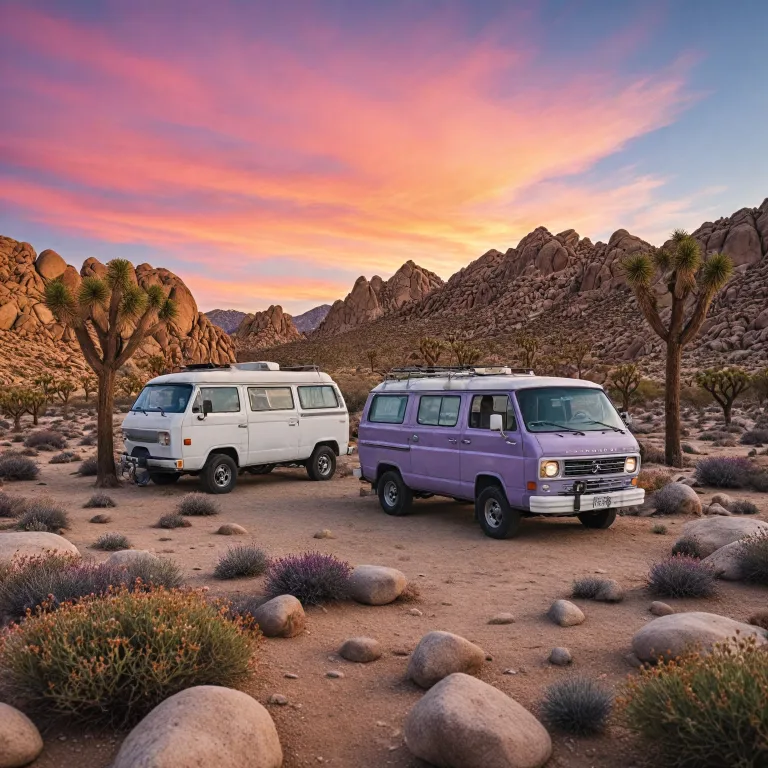
Planning a short trip around the best things to do in Joshua Tree
For a refined weekend focused on the most rewarding things to do Joshua Tree, start by framing your stay around the park’s contrasting desert ecosystems. The higher Mojave zone, where most joshua trees grow, feels entirely different from the lower Colorado desert, and this contrast shapes every trail, rock formation, and valley you will explore. With limited time, you will want to balance scenic road drives, short hikes, and quiet moments under the vast sky.
The National Park Service manages Joshua Tree National Park with a clear emphasis on preservation, so every visit and trip should respect fragile habitats and rock features. Entrance stations and each visitor center provide updated information on trail conditions, the best time for hiking, and safety in the desert climate, which can shift quickly between hot days and cool nights. Carry at least three litres of water per person per day, wear sun protection, and check the weather before you enter the park.
Base yourself in the small town of Joshua Tree or nearby Twentynine Palms for easy access to the main park entrances and an efficient short stay. From town you can reach the west entrance in minutes, then follow the main park road past iconic joshua trees, granite rock piles, and viewpoints that showcase the scale of this national landscape. Even on a two day itinerary, you can experience several short trail options, a mile loop walk, and an evening focused on the night sky.
Iconic landscapes, short trails, and scenic road itineraries
The most photographed things to do Joshua Tree often begin with a slow drive along the central park road, where joshua trees frame every curve. Plan your first half day around short walks that reveal how the desert changes from one valley to the next, rather than rushing to tick every viewpoint. This approach suits a weekend trip, especially when you want time for both photography and quiet observation.
Skull Rock is a natural highlight along the main road, and the surrounding trail network offers easy access to weathered boulders and sandy washes. The signed Skull Rock trail includes a gentle mile loop that weaves between rock formations, joshua trees, and hardy desert shrubs, making it ideal for families or first time visitors to a United States national park. Nearby pullouts allow you to stop, wander for a short time, then continue your drive without committing to a long hike.
Hidden Valley is another essential stop, enclosed by rounded rock walls that create a sheltered microclimate and a sense of intimacy within the wider desert. The Hidden Valley nature trail is roughly a mile loop, with interpretive signs explaining how early cattle rustlers once used this valley and how plants adapt to limited water. Combine Skull Rock, Hidden Valley, and a few roadside viewpoints into a single day, and you will already have experienced some of the best places for first impressions of Joshua Tree National Park.
Rock climbing, bouldering, and active ways to experience the park
Among the most dynamic things to do Joshua Tree, rock climbing and bouldering stand out for visitors seeking an active short break. With around 8 000 established routes across the park, the granite rock formations attract climbers from around the world, yet many areas remain suitable for beginners under professional guidance. Local climbing schools and guides, operating in partnership with the National Park Service, help visitors match routes to their skills and time frame.
For those new to rock climbing, focus on low angle slabs and short top rope routes near Hidden Valley or Echo Rock, where access from the road is quick. These sectors allow you to experience the texture of the rock and the scale of the landscape without committing to long approaches or complex descents, which is ideal on a weekend trip. Always check current regulations at a visitor center, as some walls may be seasonally closed to protect nesting raptors or sensitive habitats.
Families can add the Junior Ranger programme to their list of things joshua related, picking up activity booklets at any main visitor center or the Cottonwood visitor contact station. Completing simple tasks on trails, learning about joshua trees, and attending short talks helps children engage with the national park beyond the obvious rock formations. Even if you are not climbing, watching climbers move across the rock while you walk a nearby trail adds energy and context to the otherwise silent desert.
Art, culture, and characterful stops beyond the park boundaries
Many of the most memorable things to do Joshua Tree unfold just outside the official park boundary, where art spaces and eccentric attractions reflect the desert’s creative pull. In the town of Joshua Tree, small galleries and studios showcase local art inspired by joshua trees, the night sky, and the surrounding desert. A short walk through the main streets can easily fill part of a day, especially when combined with coffee stops and live music venues.
The Noah Purifoy Outdoor Desert Art Museum is a compelling open air installation field, where large scale sculptures rise from the sand and discarded materials gain new meaning. This site, located a short drive from town, offers a different perspective on the desert than any national park viewpoint, and it rewards slow exploration on foot. Another quirky stop is the crochet museum, a tiny, vividly coloured space that celebrates handmade art and often surprises visitors who expected only rock and sand.
Use your evenings to sample local dining and compare notes with other travellers planning similar short trips to national parks across the region. If you are combining Joshua Tree with a stay in Palm Springs, you can balance desert hikes with mid century architecture, poolside relaxation, and even a refined city break such as a curated Tel Aviv short break described in this guide to elegant coastal city escapes. This blend of town culture, desert art, and national park scenery makes a long weekend feel both varied and cohesive.
Desert ecology, cactus gardens, and the magic of the night sky
Understanding the living desert adds depth to the things to do Joshua Tree, especially when your time is limited to a weekend. The park protects two distinct desert ecosystems, and short walks through different areas reveal how joshua trees, shrubs, and cacti adapt to limited water. Rangers and the Joshua Tree National Park Association offer educational materials that help visitors interpret what they see on each trail and road pullout.
Plan at least one visit to the cholla cactus garden, where a dense stand of teddybear cholla lines a compact mile loop path. Arrive near sunrise or sunset for soft light on the cactus spines, and stay on the designated trail to avoid painful contact with the barbed segments. Another worthwhile stop is the cactus garden near the Cottonwood visitor area, where interpretive signs explain how different species survive in the harsher Colorado desert zone.
As night falls, the park’s dark sky designation becomes one of its most compelling features, turning stargazing into a highlight among things joshua enthusiasts cherish. “Increased interest in night sky programs due to the park's dark sky designation.” On clear evenings, step away from the main road, switch off lights, and allow your eyes to adjust for at least twenty minutes to appreciate the Milky Way arching above the rock formations. The contrast between the quiet desert floor and the luminous sky often becomes a defining memory of any short trip.
Practical tips, safety, and timing your short stay
Thoughtful planning ensures that the things to do Joshua Tree fit comfortably into a one or two day itinerary without feeling rushed. The best time for most visitors is during spring and autumn, when daytime temperatures are milder and longer hikes or a multi mile loop feel more comfortable. Summer remains possible for a short trip, but you should focus on early morning and evening activities, staying in town or at your accommodation during the hottest hours.
Carry detailed park maps or a reliable mobile app, as reception can be limited once you leave the town boundary and enter the national park. Self guided tours along the main road, combined with short signed trails, work well for first time visitors who want flexibility and control over their pace. Ranger led walks, when available, add expert context on geology, joshua trees, and wildlife, and they are especially valuable for families completing Junior Ranger activities.
Remember that pets are restricted from most trails, so plan accordingly if you are travelling with animals on a longer road trip that includes multiple national parks. Always respect closures around sensitive rock faces, vegetation, or cultural sites, and pack out all rubbish to protect the desert environment for future visitors. With realistic expectations, a focus on a few key valleys and landmarks such as Skull Rock, Hidden Valley, and the cholla cactus garden, your short stay will feel both efficient and deeply rewarding.
Key statistics for planning your Joshua Tree escape
- Annual visitors to Joshua Tree National Park : approximately 3 000 000 people.
- Park area : about 790 636 acres of protected desert landscapes.
- Number of established climbing routes on the park’s rock formations : around 8 000 routes.
Essential questions about visiting Joshua Tree National Park
What is the best time to visit Joshua Tree National Park ?
Fall and spring offer mild temperatures, making them ideal for most activities. During these seasons, you can comfortably explore short trails, enjoy rock climbing, and spend longer periods on exposed viewpoints without extreme heat. Winter and summer remain possible, but they require more careful planning around temperature swings and daylight.
Are there entrance fees for the park ?
Yes, there are entrance fees; check the National Park Service website for current rates. You can purchase passes at entrance stations, online, or at some visitor centers before you begin your drive along the main park road. If you plan several trips to different national parks within a year, consider an interagency pass for better value.
Can I bring my pet to the park ?
Pets are allowed in certain areas; however, they are restricted from trails and wilderness areas. You may walk pets on paved roads, in campgrounds, and in some picnic areas, provided they remain on a leash. For travellers on longer road itineraries with animals, this means planning pet friendly breaks in town before or after your main hiking days.