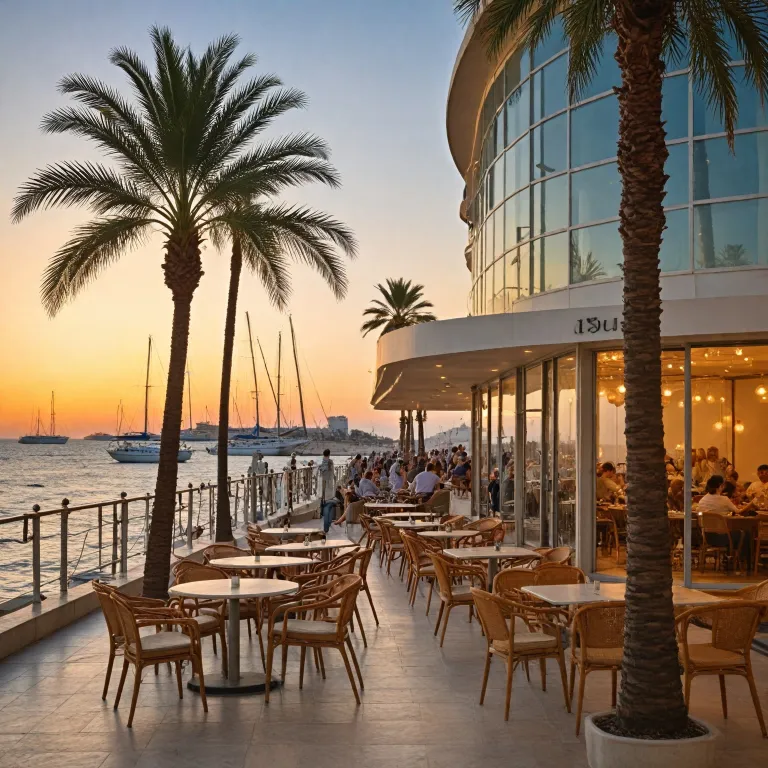
Tel Aviv weekends for cultured travellers seeking refined things to do
Planning a short trip to Tel Aviv means balancing beach time, urban energy, and meaningful cultural encounters. The city offers an elegant mix of Mediterranean ease and creative intensity, which makes even a two day stay feel surprisingly rich. When you curate your own list of tel aviv stuff to do, focus on compact neighbourhoods that reward slow exploration rather than rushed checklists.
Start with the essentials that define the city in Israel today, from its luminous beachfront to its modern museums and historic quarters. The Tel Aviv Municipality maintains generous public spaces, and you will feel that care along the five kilometre promenade where people run, cycle, and pause to watch the sunset. For many visitors, the best rhythm is a morning museum art visit, an afternoon at the beach, and an evening walk through lively streets filled with food and music.
Short trips work best when you cluster nearby attractions, so choose one area per half day. Around the cultural district, you can visit the Tel Aviv Museum of Art, the Eretz Israel Museum, and ANU – Museum of the Jewish People without losing time in transit. This compact planning leaves space for spontaneous things tel travellers love, such as a last minute food tour or an unplanned detour into a side street filled with street art. Thoughtful pacing will turn a quick trip tel itinerary into something that feels genuinely restorative.
From Carmel Market to Levinsky Market: flavourful days in the city
For many travellers, the most memorable tel aviv stuff to do centres on food and markets. Carmel Market is the classic starting point, a place where you can find fresh fruit, spices, and street snacks within a few steps of each other. Arrive early in the day to avoid the densest crowds and to see how the market wakes up as stalls open and people begin their daily routines.
A guided food tour through Carmel Market or Levinsky Market will deepen your understanding of the city and its layered culinary influences. These tours often weave in stories about migration, family recipes, and the way food reflects wider histories in Israel, which turns simple tastings into cultural encounters. When choosing between different food tour options, look for small groups and guides who emphasise seasonal ingredients and local producers rather than only chasing the best Instagram photos.
Levinsky Market, in the Florentin district, rewards slow wandering and a curious palate. Here you will find spice shops, tiny delis, and cafés where people linger over coffee while street art colours the surrounding walls. If you enjoy characterful lodgings on short trips, you may appreciate reading about elegant bed and breakfast stays for refined weekend escapes as a point of comparison when planning where to stay near these markets.
Beachfront ease and urban energy along the Tel Aviv promenade
Any refined list of tel aviv stuff to do should include generous time by the sea. The city’s beachfront stretches for about five kilometres, creating a continuous ribbon of sand where people swim, play matkot, and pause between meetings or museum visits. For short trips, staying within walking distance of the promenade allows you to weave quick swims and sunset walks into even the busiest day.
Morning is often the best time for a quiet walk along the water, when the light is soft and the city is still waking up. Later, the same route transforms into a lively stage where cyclists, runners, and families share the space, illustrating how visiting tel aviv can feel both relaxed and energetic at once. If you are travelling with companions who value space and comfort, you might draw inspiration from the way two bedroom suites enhance short trips when choosing your own accommodation style near the beach.
Along the promenade, you will find cafés where you can sit with a coffee and simply watch people move through the city. This is where aviv travel reveals its informal side, as locals arrive straight from work for a quick swim before dinner. For many visitors, these unhurried moments become the best things they remember, more than any single famous place or organised tour.
Old Jaffa, Neve Tzedek, and the art of walking the city
On a short trip, one of the most rewarding tel aviv stuff to do is a carefully planned walk linking Old Jaffa and Neve Tzedek. Begin in Jaffa, the ancient port whose stone alleys and sea views contrast beautifully with the modern skyline of the city. Here you can visit galleries, climb to the hilltop garden, and watch fishing boats return while people gather along the waterfront.
From Jaffa, follow the seafront north or weave inland towards Neve Tzedek, one of the first Jewish neighbourhoods outside old Jaffa. Today, Neve Tzedek is known for restored houses, intimate cafés, and small design shops where you can find thoughtful souvenirs rather than generic items. This walk offers some of the most atmospheric things tel visitors can experience in a single afternoon, especially if you pause often and let the route unfold slowly.
Florentin, not far away, adds a different layer with its bold street art and more industrial edges. Joining a street art tour here can be one of the most fun things to do, particularly if you enjoy understanding how artists respond to life in Israel through murals and stencils. As you plan your route, remember the practical travel tips often shared with first time visitors : wear comfortable shoes, stay hydrated, and check opening hours for any small museum art spaces you hope to visit.
Art, museums, and meaningful day trips beyond the shoreline
Cultural travellers compiling tel aviv stuff to do will find an impressive concentration of museums within easy reach. The Tel Aviv Museum of Art anchors this scene, with collections that highlight both international works and artists from across Israel. Nearby, the Eretz Israel Museum and ANU – Museum of the Jewish People add archaeological depth and global context to any short stay in the city.
For those interested in civic history, the Yitzhak Rabin Center offers a thoughtful narrative about leadership, democracy, and the complexities of the region. From there, you can continue your day with a walk through Yarkon Park, one of the city’s green lungs that welcomes millions of visitors annually. These institutions ensure that visiting tel aviv can be intellectually engaging even on a brief weekend, especially when you balance gallery time with open air strolls.
Many travellers also consider day trips from Tel Aviv to places such as the Dead Sea or selected sites in the West Bank, often organised through experienced operators. When planning any trip tel excursions beyond the city, rely on up to date advice from the Israel Ministry of Tourism and reputable local partners. "Key attractions include the Tel Aviv Museum of Art, the White City (Bauhaus architecture), Yarkon Park, and the beaches along the Mediterranean coast."
Practical travel tips for short stays and family friendly weekends
Efficient planning turns a simple list of tel aviv stuff to do into a graceful weekend itinerary. Start by grouping experiences geographically, such as pairing Carmel Market with the nearby beach or combining Neve Tzedek with an evening in the city centre. This approach reduces time spent in transit and leaves more space for the spontaneous things tel visitors often value most.
Families and small groups will appreciate accommodations that offer both privacy and shared space, especially on short trips. For ideas on how thoughtful layouts can enhance a stay, you can look at concepts similar to family friendly accommodations for memorable weekends when choosing where to sleep in Tel Aviv. Whatever your style, prioritise locations that allow you to walk easily to a market, a beach, or a favourite place for evening food.
Public transport, shared bikes, and scooters make it simple to move between neighbourhoods without renting a car. When planning aviv travel logistics, remember to check museum art opening hours, book popular food tour options in advance, and allow time for security checks at major sites. With these travel tips in mind, even a two or three day stay will feel full yet unhurried, leaving you with a personal sense of why many consider aviv best for short urban escapes.
Key statistics about Tel Aviv short breaks
- Yarkon Park welcomes approximately 16 million visitors each year, making it one of the most frequented urban green spaces in the region.
- The White City area includes around 4 000 Bauhaus style buildings, recognised for their architectural significance.
- Tel Aviv’s main beachfront promenade extends for about 5 kilometres along the Mediterranean coast.
Essential questions about planning tel aviv stuff to do
What are the must-see attractions in Tel Aviv?
Key attractions include the Tel Aviv Museum of Art, the White City with its Bauhaus architecture, Yarkon Park, and the beaches that line the Mediterranean. Many visitors also prioritise Old Jaffa, Neve Tzedek, and at least one major market such as Carmel Market or Levinsky Market. Combining these highlights over two or three days offers a balanced view of the city.
Is Tel Aviv suitable for family vacations?
Tel Aviv works very well for families because many of its main attractions are outdoors, informal, and easy to reach. Parks, playgrounds, and long stretches of shallow beach make it simple to plan relaxed days with children. Family friendly museums and casual food options at markets further support comfortable short breaks with different age groups.
What is the best time to visit Tel Aviv?
Tel Aviv can be visited throughout the year, but many travellers prefer spring and autumn for milder temperatures. During these seasons, walking between neighbourhoods, enjoying the beach, and exploring markets feels more comfortable. If you travel in the hotter months, plan indoor museum visits for midday and reserve early mornings and evenings for outdoor activities.