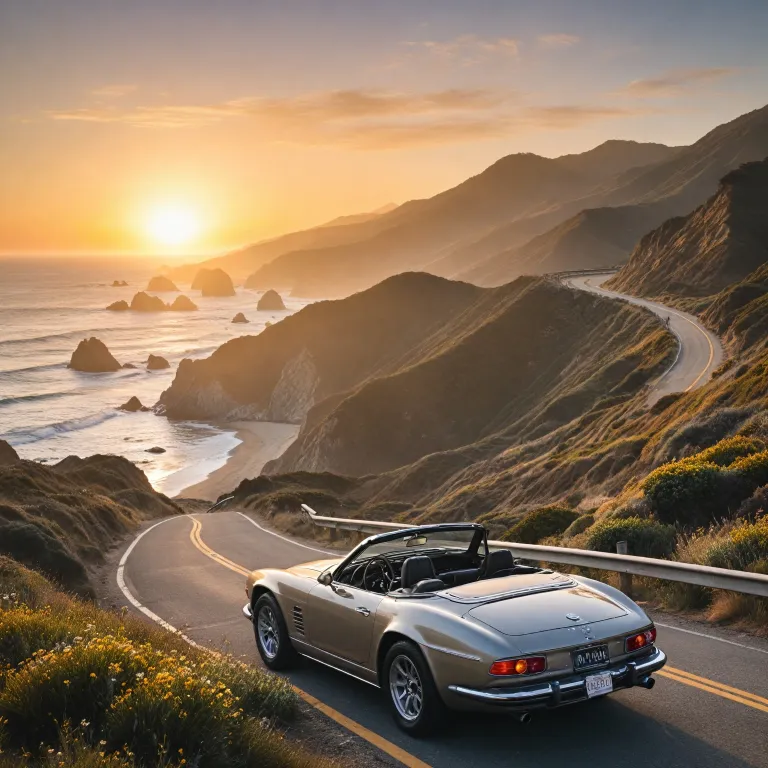
Planning a refined escape from San Francisco to Big Sur
The journey from San Francisco to Big Sur is one of the most elegant short trips you can plan. This coastal road trip combines dramatic ocean views, refined small towns, and state park landscapes that feel far removed from city life. With around 210 kilometres between San Francisco and Big Sur, you can comfortably shape a one day dash or a slower weekend trip.
Most travellers choose to drive the sur road along Highway 1, which has fully reopened after extensive stabilisation work by the California Department of Transportation (Caltrans). The official reply from Caltrans confirms that “Yes, as of January 14, 2026, Highway 1 has fully reopened after repairs.” This reopening has renewed interest in every coastal state beach, state park, and scenic point along the way.
Allow at least 2.5 to 3.5 hours of driving time between San Francisco and Big Sur, depending on traffic and photo stops. The route passes the Golden Gate and its famous gate bridge, then continues past beach towns and forested headlands that invite unplanned pauses. For a weekend road trip, many travellers add Santa Cruz, Monterey Bay, and Carmel by the Sea to their itinerary.
Before you leave San Francisco, check current road conditions and weather, especially outside the dry season. Services can be limited between Santa Cruz and Big Sur, so fuel up early and carry water and snacks. A reliable rental car or personal vehicle is essential, because this is a drive where you will want to stop often for views, trails, and quiet moments above the Pacific.
Choosing the ideal route, timing, and pace for your trip
There are two main ways to travel from San Francisco to Big Sur by road. The classic choice is Highway 1, a coastal drive that prioritises views, beach access, and scenic state park stops. The alternative uses Highway 101 and Highway 156 before reconnecting with Highway 1 near Monterey, which can save time when weather or traffic complicate the coastal sur road.
Highway 1 is the preferred option for a short leisure trip, especially if you value photography and nature. The drive across the golden gate bridge sets the tone, as San Francisco recedes and the Pacific opens up beside you. From here, you can either follow the coast past Pacifica and Half Moon Bay or detour inland toward Big Basin Redwoods State Park for towering trees and shaded trails.
Plan your day so that the most dramatic Big Sur segments fall in the middle of the afternoon, when light is softer and colours are richer. Leaving San Francisco in the early morning gives you time for coffee in Santa Cruz, a walk along a state beach, and lunch near Monterey Bay. This pacing also reduces stress, because you will not be rushing the final kilometres to reach your Big Sur accommodation before dark.
Remember that this is a mountain coastal road trip with curves, cliffs, and occasional slow vehicles. Build generous margins into your schedule so that an unplanned stop at a viewpoint, a quiet park, or a hidden beach never feels like a problem. The more time you allow, the more this journey shifts from simple transport between San Francisco and Big Sur into a restorative escape.
Essential coastal stops between San Francisco and Santa Cruz
The first stretch from San Francisco to Santa Cruz offers a sequence of understated yet memorable stops. After crossing the golden gate, some travellers briefly head north toward Point Reyes for windswept cliffs and lighthouse views, then loop back through the city to begin the main southbound drive. Others immediately follow Highway 1 south, where big ocean swells and rugged headlands appear within minutes of leaving the francisco big skyline behind.
Between Pacifica and Half Moon Bay, you will find several state beach access points with generous parking and short paths to the sand. These beaches are ideal for a quick walk during a one day trip, especially when you want to stretch your legs without committing to a long trail. On calmer days, the combination of sea air, big surf, and open horizons sets a relaxed tone for the rest of the road trip.
Further south, consider a detour inland to Big Basin Redwoods State Park if time allows. This historic state park showcases towering redwoods, shaded creek valleys, and loop trails that contrast beautifully with the open coast. Even a brief visit offers a different perspective on the region, reminding you that the journey from San Francisco to Big Sur is as much about forests as it is about beach scenery.
As you approach Santa Cruz, the atmosphere shifts from rural to laid back coastal town. Santa Cruz itself, and the wider Santa Cruz County, provide cafés, restaurants, and services that are useful on both the outbound and return legs of your trip. If you are planning a longer weekend, this is also a convenient overnight base before continuing toward Monterey, Carmel, and the heart of Big Sur.
From Santa Cruz to Monterey Bay and Carmel by the Sea
South of Santa Cruz, the drive toward Monterey Bay becomes more varied and gently paced. You will pass agricultural fields, dunes, and occasional glimpses of the ocean, with several state beach options for a quiet pause. This is a good section to make up time if you have lingered earlier, because the road is generally straighter and less dramatic than the Big Sur cliffs ahead.
Monterey and its surroundings reward at least half a day, even on a short trip. The historic waterfront, coastal recreation trail, and viewpoints across Monterey Bay create a refined yet relaxed atmosphere. If you are travelling with limited time, you can still enjoy a harbour walk, a scenic drive, and a leisurely meal before continuing toward Carmel by the Sea.
Carmel by the Sea, often simply called Carmel, is a highlight on any road trip between San Francisco and Big Sur. Its compact centre, art galleries, and sheltered beach make it an elegant overnight stop or extended lunch break. From here, the famous 17 Mile Drive and the approach to Point Lobos State Natural Reserve offer some of the most photogenic views on the entire route.
Point Lobos, sometimes described as the crown jewel of the California state park system, deserves careful planning. Short trails lead to turquoise coves, sea lion colonies, and headlands where the surf crashes against sculpted rock. Parking can be limited at peak times, so arriving early in the day or later in the afternoon will improve your chances of finding a space and enjoying this remarkable coastal landscape in relative calm.
Entering Big Sur: iconic bridges, beaches, and viewpoints
Beyond Carmel, the landscape shifts quickly into the rugged drama that defines Big Sur. The road narrows, cliffs rise, and the Pacific appears far below, creating a sense of arrival that many travellers remember long after the trip ends. This is where the san francisco to big sur journey feels most intense, with every curve revealing new views and every point along the coast inviting a pause.
One of the first major landmarks is Bixby Creek Bridge, often simply called the creek bridge by locals and photographers. Several turnouts on either side of the bridge offer safe places to stop, admire the architecture, and frame the coastline in your images. Take your time here, because the combination of big cliffs, blue water, and sweeping curves captures the essence of the sur road.
Further south, Pfeiffer Beach is a justly famous stop, accessed by a narrow side road that descends toward the ocean. The beach is known for its purple sand tones, especially visible where mineral rich runoff meets the waves. Arrive with patience, because parking is limited and the access road can be controlled during busy periods, but the reward is a wild, cinematic shoreline.
Another essential stop is McWay Falls in Julia Pfeiffer Burns State Park, where a slender waterfall drops directly onto a small cove. A short, easy trail leads to viewpoints that frame the falls, the turquoise water, and the surrounding cliffs. This is a protected area with no beach access, which helps preserve its fragile beauty and ensures that even a brief visit feels special on your san francisco to big sur itinerary.
Designing a one day or weekend itinerary from San Francisco
When planning a san francisco to big sur escape, start by deciding whether you prefer a single long day or a more relaxed weekend. A one day trip is possible if you leave San Francisco early, limit stops, and turn around near McWay Falls or another central Big Sur landmark. However, many travellers find that an overnight stay in Carmel by the Sea or within the Big Sur area transforms the experience into a true retreat.
For a focused day trip, consider this pacing. Depart San Francisco around sunrise, cross the golden gate bridge with minimal traffic, and follow Highway 1 past Half Moon Bay toward Santa Cruz. Pause briefly at a state beach, continue to Monterey Bay for a late morning coffee, then drive through Carmel toward Bixby Creek Bridge, Pfeiffer Beach, and McWay Falls before returning via the same route or the faster inland highways.
A weekend itinerary allows you to add more depth and variety. On day one, travel from San Francisco to Santa Cruz with a detour to Big Basin Redwoods State Park, then continue to Carmel for the night. On day two, explore Point Lobos, the main Big Sur viewpoints, and selected trails, perhaps adding a refined coastal stay similar in spirit to the elegant properties highlighted in this guide to elegant bed and breakfast stays.
Whichever format you choose, build flexibility into your schedule. Weather, road works, and crowding at popular state park sites can all affect timing, especially during holiday periods. By allowing extra time, you ensure that each beach, viewpoint, and trail feels like a deliberate pleasure rather than a rushed stop on a checklist style road trip.
Safety, sustainability, and practical advice for the coastal drive
Driving from San Francisco to Big Sur is straightforward for most confident drivers, but the route demands attention and respect. The combination of cliffs, curves, and changing light means you should avoid driving the most exposed sections in a hurry or when fatigued. Check weather forecasts and Caltrans updates before departure, especially after storms that can affect the sur road.
Fuel up in San Francisco, Santa Cruz, or Monterey, because services become sparse in the central Big Sur region. Carry water, snacks, and layers, as temperatures can shift quickly between shaded state park forests and exposed coastal viewpoints. Mobile coverage is intermittent, so download maps in advance and note key points such as state park entrances, trailheads, and reliable rest stops.
To travel responsibly, stay on marked trails, respect signage, and avoid trampling fragile vegetation near cliffs and beaches. Popular sites such as Point Lobos, Pfeiffer Beach, and McWay Falls are managed carefully to balance access with conservation. Your choices, from parking only in designated areas to packing out all rubbish, help preserve these landscapes for future short trips from San Francisco and beyond.
Finally, remember that this journey is about more than ticking off famous names like Bixby Creek Bridge or Monterey Bay. It is an opportunity to slow your usual pace, appreciate big skies and long horizons, and reconnect with the simple rhythm of a coastal road trip. With thoughtful planning, your san francisco to big sur escape will feel both restorative and refined, whether you travel for a single day or an unhurried weekend.
Key travel statistics for the San Francisco to Big Sur route
- Approximate driving distance between San Francisco and Big Sur via Highway 1 : 210 kilometres.
- Typical driving time in normal conditions : around 2.5 hours without extended stops.
- Highway 1 is currently open along the full San Francisco to Big Sur corridor following major repair works.
Essential questions about the San Francisco to Big Sur drive
Is Highway 1 open between San Francisco and Big Sur ?
Yes, as of January 14, 2026, Highway 1 has fully reopened after repairs. Travellers can once again follow the full coastal route between San Francisco and Big Sur without needing long inland detours. Always verify current conditions with Caltrans before departure, because weather and maintenance can still cause temporary closures.
How long does it take to drive from San Francisco to Big Sur ?
The direct drive usually takes about 2.5 hours in light traffic, but most travellers should allow at least 3.5 to 4 hours. This extra time accounts for slower sections of the sur road, photo stops at viewpoints, and short walks at state beach or state park locations. For a more relaxed experience with multiple stops, plan a full day in each direction.
Are there alternative routes to Big Sur from San Francisco ?
Yes, you can travel inland on Highway 101 South, then connect via Highway 156 West to reach Highway 1 near Monterey. This option can be faster in poor coastal weather or when you want to minimise time on the most winding sections of the sur road. Many travellers combine both options, driving one way along the coast and returning via the inland highways for variety and efficiency.
trustful_expert_quotes:
- California Department of Transportation (Caltrans) – Highway conditions and maintenance : https://dot.ca.gov/
- Big Sur Chamber of Commerce – Local visitor information and business listings : https://www.bigsurcalifornia.org/
- Distance and timing reference for San Francisco to Big Sur drive : https://www.distance-cities.com/distance-san-francisco-ca-to-big-sur-ca