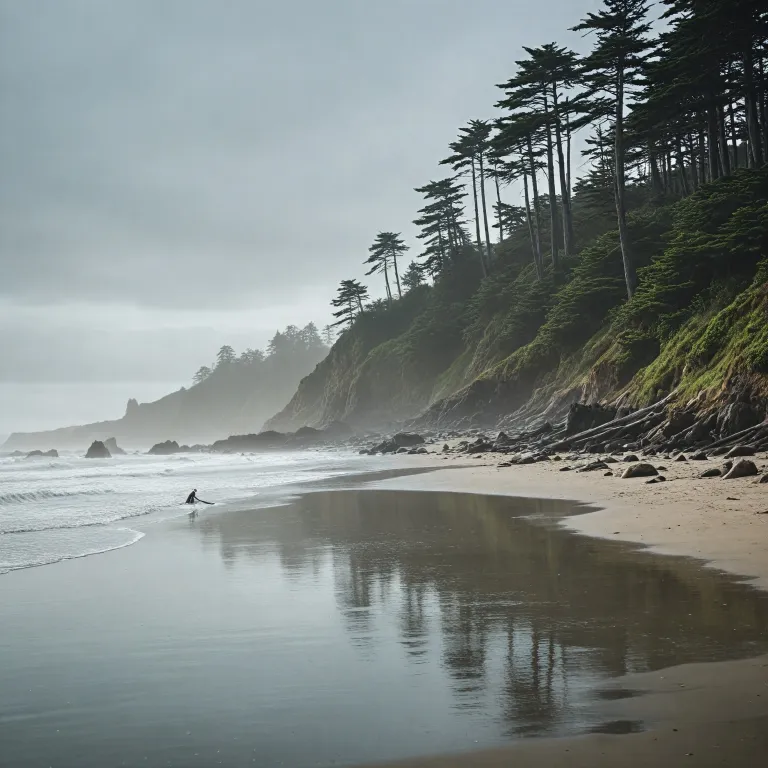
Planning a refined weekend of surfing in Washington state
For a short coastal escape, surfing in Washington offers a rare blend of wild scenery and accessible breaks. The coastline of Washington state stretches for more than 250 kilometers, giving weekend travelers a surprising variety of surf spots within a manageable drive. With thoughtful planning, you can surf a powerful beach break in the morning, explore a forested state park in the afternoon, and still enjoy a slow evening meal in a harbor town.
Most visitors begin their surf weekend by choosing a primary surf spot and then building the itinerary around it. Westport is the most practical base for surfing in Washington, because the town combines consistent waves, several breaks, and a compact layout that suits a two day stay. You can park once, walk to the beach, check the surf report on your phone, and adjust your session to the changing swell direction and tide.
Cold water defines every surf in this region, so preparation matters more than in warmer destinations. Winter brings the most reliable waves in the Pacific Ocean here, yet even in summer the water rarely feels mild without a thick wetsuit, gloves, and boots. Before you leave home, check a trusted surf report, confirm the likely swell direction, and pack layers for wind, rain, and clear skies in the same day.
In Westport itself, the main surf spots cluster around the harbor and the long outer beach. The jetty near Westhaven State Park focuses incoming waves into punchy peaks, while the open beach break to the south offers more forgiving walls for intermediate surfers. Many travelers plan a first day at the jetty and a second day on the longer beach, which creates a balanced weekend of challenging and relaxed surfing in Washington.
Westport, Westhaven State Park, and the classic jetty breaks
Westport is the practical heart of surfing in Washington, especially for short trips. The town sits on a narrow peninsula that faces the Pacific Ocean on one side and a sheltered harbor on the other, which creates several distinct surf spots within a short drive. This compact geography allows you to surf different breaks in a single day without spending hours in the car.
Westhaven State Park is the main access point for the famous jetty break, one of the most consistent waves in Washington state. Here, the rock jetty shapes the incoming swell into defined peaks, producing left and right waves that can hold size on strong winter swells. On smaller days, the same jetty wave becomes a friendly training ground for confident beginners who already understand basic surf etiquette and rip current safety.
The beach break south of the jetty offers a different character and suits varied skill levels. Sandbars shift with storms and swell direction, creating multiple peaks that spread out the crowd and give room for longer rides. When the surf report shows moderate waves and light winds, this beach can deliver classic Washington surf sessions with smooth shoulders and forgiving white water for practice.
Equipment access is straightforward in Westport, which is essential for weekend surfers who prefer to travel light. Westport Surf Shop and Steepwater Surf Shop both provide rentals, wax, and last minute gear, while BigFoot Surf School offers lessons for those new to surfing in Washington. Many visitors schedule a morning lesson, enjoy a relaxed lunch in town, then return to Westhaven State Park for an afternoon free surf before sunset.
Exploring Olympic National Park beaches for wilder surf weekends
For travelers who value scenery as much as the surf, the beaches near Olympic National Park create a dramatic backdrop for short trips. While Westport focuses on convenience, the north coast of Washington state offers a more remote feeling, with surf spots framed by sea stacks, driftwood, and dense forest. These areas reward patient surfers who are comfortable reading changing waves, tides, and weather.
Ruby Beach is one of the most photographed stretches of coast near Olympic National Park, and it can offer surfable waves when swell direction and tide align. The beach break here is often irregular, with shifting peaks and strong currents, so it suits experienced surfers who already have time in Washington surf. Even when the surf is marginal, a day at Ruby Beach combines coastal walking, photography, and tide pool exploration with the possibility of a quick session.
Farther north, Rialto Beach presents another powerful beach break that can turn on during medium to large swells. The waves here often feel heavier than at Westport, with thicker lips and more intense shore pound, especially on higher tides. Because access involves a walk and conditions can change quickly, many weekend visitors treat Rialto Beach as a secondary surf spot within a broader Olympic National Park itinerary.
Hobuck Beach, near the far north of the peninsula, offers one of the more user friendly surf spots in this wilder region. The long sandy bay can produce multiple peaks that resemble a classic beach break, with room to spread out and find your own wave. When planning a short surf Washington escape that includes Olympic National Park, combine one day at Ruby Beach or Rialto Beach with another at Hobuck Beach to balance challenge and comfort.
Ocean Shores, safety, and reading Washington surf conditions
Ocean Shores provides another accessible base for surfing in Washington, especially for travelers who prefer a quieter resort town atmosphere. The long sandy coastline here offers numerous beach breaks, where waves peel over sandbars that shift with storms and seasonal swell direction. On smaller days, these breaks can feel forgiving and playful, making Ocean Shores suitable for relaxed weekend sessions and family trips.
However, the same open exposure that creates consistent waves also generates strong currents and shifting channels. Rip current awareness is essential at every Washington surf spot, but it becomes particularly important on wide beaches like those near Ocean Shores. Before entering the water, take time to watch the ocean, identify calmer zones, and note where waves are not breaking, which often indicates a rip channel.
Checking a detailed surf report is a non negotiable step when planning any surf Washington weekend. Look for information on swell direction, wave height, period, wind, and tide, then compare it with local knowledge from a nearby surf shop. In Westport, for example, Westport Surf Shop and Steepwater Surf Shop can explain how a specific swell direction will affect the jetty, the outer beach break, and other nearby surf spots.
Water temperature is another defining factor for surfing in Washington state, particularly in winter when the average hovers in the single digits Celsius. A full wetsuit with hood, gloves, and boots keeps sessions comfortable and reduces fatigue in cold water. Many experienced surfers also carry a thermos of hot drink and dry layers in the car, allowing them to warm up quickly between waves and extend their day without risking hypothermia.
Designing a two day surf itinerary along the Washington coast
For a refined short break, structure your surfing in Washington around a clear two day plan. One elegant option is to base yourself in Westport for the entire weekend, using the town as a hub for different surf spots and relaxed coastal walks. This approach minimizes driving and maximizes time in the water, which is ideal when you only have a couple of days.
On day one, arrive early in Westport and head straight to Westhaven State Park to check the jetty and nearby beach break. If the surf report shows moderate waves and favorable swell direction, start with a session near the jetty, where the break often offers more defined peaks. After a late morning surf, visit Westport Surf Shop or Steepwater Surf Shop for any gear adjustments, then enjoy a slow lunch before a second session on the outer beach.
Day two can focus on variety and exploration, either by revisiting your favorite Westport surf spot or driving north toward Ocean Shores. Some travelers prefer to keep the second day lighter, combining a shorter surf with a walk in a nearby state park or a scenic drive along the coast. If you enjoy pairing surf with refined lodging, you might also research coastal stays further south, using resources such as this guide to elegant coastal escapes in Monterey bed and breakfasts for inspiration on how to choose intimate properties for future trips : elegant coastal escapes for short stays.
For a more adventurous weekend, split your time between Westport and the north coast near Olympic National Park. Spend the first day surfing the reliable breaks around Westhaven State Park, then drive north in the evening to position yourself for a morning session at Ruby Beach, Rialto Beach, or Hobuck Beach. This itinerary offers a compact introduction to the range of waves, breaks, and landscapes that define surfing in Washington state.
Local services, equipment, and practical tips for cold water surf weekends
Reliable local services make short surf trips smoother, and Washington’s coastal towns provide a solid foundation. In Westport, Westport Surf Shop and Steepwater Surf Shop both rent boards and wetsuits, which is ideal if you prefer to travel with minimal equipment. BigFoot Surf School adds another layer of support by offering lessons and coaching for visitors who want to refine their surf technique during a weekend.
When packing for surfing in Washington, prioritize warmth, safety, and flexibility. A high quality wetsuit with sealed seams, paired with gloves and boots, will significantly extend your time in the water and improve comfort on colder days. Bring multiple towels, a changing mat or bucket, and a windproof jacket, because the transition from cold water to coastal wind can feel intense after long sessions.
Parking near popular surf spots such as Westhaven State Park, Ruby Beach, and Rialto Beach may require passes or fees, so check state park and national park regulations in advance. Arriving early not only secures a convenient parking spot but also allows you to assess the surf before crowds build. Many experienced visitors keep a printed tide chart in the car as a backup to digital tools, ensuring they can still plan around critical tide windows if reception fails.
Finally, respect for local communities and the coastal environment underpins every refined surf Washington getaway. Pack out all rubbish, stay on marked paths when crossing dunes, and give space to wildlife along the shore. By combining thoughtful planning, responsible behavior, and an appreciation for the raw Pacific Ocean environment, your short trips and weekends of surfing in Washington will feel both memorable and sustainable.
Key statistics for surfing in Washington coastal getaways
- Length of Washington’s Pacific coastline suitable for surf exploration : approximately 157 miles, according to the National Oceanic and Atmospheric Administration (NOAA).
- Average winter water temperature around Westport : about 48 °F, based on NOAA coastal monitoring data.
- Surfing in Washington is supported by a growing network of surf schools, shops, and forecasting tools that help visitors time their sessions for optimal waves and safer conditions.
Essential questions about surfing in Washington for short trips
Is surfing popular in Washington State?
Yes, surfing has a dedicated community in Washington, with spots like Westport offering consistent waves year-round.
What is the best time of year to surf in Washington?
The winter months (October to February) provide the most consistent waves, while summer offers milder conditions suitable for beginners.
Do I need a wetsuit to surf in Washington?
Yes, due to cold water temperatures, a thick wetsuit is essential for surfing in Washington.