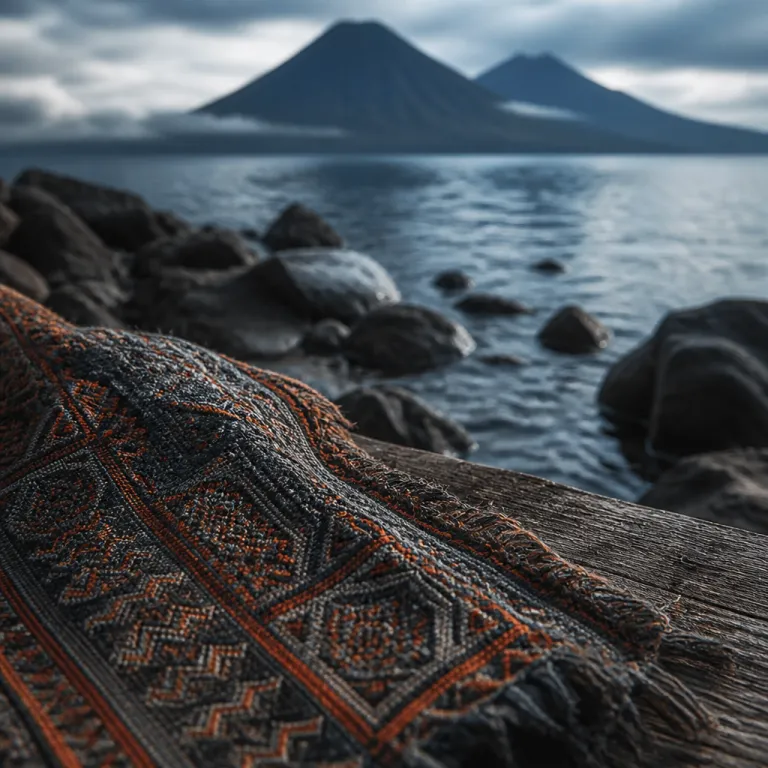
Why Lake Atitlán works as a focused long weekend
Lake Atitlán is the rare lake where a three night stay feels dense, not rushed. Ringed by the San Pedro, Tolimán, and Atitlán volcanoes, this highland basin in Guatemala concentrates scenery, culture, and short hops between towns into a compact, weekend friendly radius. For a solo explorer planning a focused Lake Atitlán itinerary in Guatemala, it is one of the best places to fit serious experience into limited days.
The lake itself is deep, around 340 meters according to Guatemala’s national geology surveys, which helps explain those dramatic views of water dropping away beneath steep slopes and terraced fields. Twelve Mayan towns circle the shore, each town lake side with its own rhythm, from quiet craft focused San Juan to the more energetic San Pedro and the gateway town of Panajachel. Trying to tick off all the towns around the lake in one go is a mistake; the best approach is to choose two or three bases and treat them as distinct short trips within your long weekend.
Arriving from abroad is simpler than many expect, which makes a visit to Guatemala realistic even from North American cities for a long weekend. Fly into Guatemala City, then take a three to four hour private shuttle or shared minivan to Panajachel, the main access town on the north shore of Lake Atitlán. Typical shuttles run several times a day and cost roughly US$25–40 per person, while private transfers are higher but more flexible. From this town lake hub, public boats, called lanchas, and private water taxis fan out to the other villages, turning the whole basin into one connected, beautiful short break destination.
Planning a three day circuit: quality over coverage
Think of this Lake Atitlán weekend plan as a three day framework rather than a checklist. Day one belongs to Panajachel and its neighbours, day two to the craft rich towns of San Juan and San Pedro, and day three to the quieter slopes near Santa Cruz and San Marcos. This structure keeps transfers short, maximises time in each place, and respects the fact that the best towns around the lake reveal themselves slowly.
Base yourself first in Panajachel, where Atitlán hotels range from simple guesthouses to refined lakeside options with direct access to the water. This town offers the best places for last minute ATM runs, gear shopping, and arranging a local tour with a certified guide, whether you want a sunrise hike or a cultural walk through nearby villages. If you are used to curated national park weekends or other refined short breaks, Panajachel plays a similar role here as the practical but essential gateway.
From Panajachel, take a morning lancha to Santa Catarina Palopó, often shortened to Catarina Palopó, a small town where painted houses climb the hillside in blues and greens that mirror the lake. Public boats on this side typically depart every 20–30 minutes in daylight hours and cost just a few US dollars, depending on distance. Walk the steep lanes, visit a weaving cooperative, and pause for coffee with views of the three volcanoes that define Lake Atitlán. In the afternoon, continue by boat to Santa Cruz, where a steep path links the simple dock to a string of relaxed properties and trails that contour above the water, offering some of the most beautiful views lake travellers can enjoy in a single, unhurried walk.
Village personalities: choosing your base by mood
The real strength of any Lake Atitlán Guatemala itinerary lies in helping you match your mood to the right town. San Pedro suits travellers who like a little nightlife with their volcano views, while San Juan rewards those who prefer early mornings, galleries, and long conversations with artisans. San Marcos, by contrast, leans into yoga, meditation, and a slower, more introspective pace along its shaded paths.
San Pedro sits on a natural amphitheatre at the base of the San Pedro volcano, making it a great place for hikers who want to tackle the summit or the shorter Indian Nose trail above nearby villages. Cafés line the waterfront, and you will find a mix of simple hotel rooms and mid range Atitlán hotels tucked up quiet side streets, ideal if you want to stay close to the action but sleep away from the noisiest bars. Public tuk tuk taxis buzz through the narrow lanes, so you can move between the dock, your chosen place to stay, and trailheads without wasting time.
San Juan, just a short tuk tuk or boat ride away, feels like another world, with murals, women led textile cooperatives, and organised coffee tours that support local families. Here, the Tz'utujil Maya and Kaqchikel Maya communities anchor daily life, and you sense how tourism, when handled carefully, can support both culture and conservation. Walking with a local guide past dye plants, looms, and coffee bushes turns a simple stroll into a layered narrative of colour, craft, and history that stays with you long after you leave the lake.
Markets, Mayan heritage, and the Chichicastenango detour
Lake Atitlán is not only about scenery; it is also a living corridor of Mayan heritage. Around the towns of Santiago Atitlán, San Juan, and San Pedro, you will hear Tz'utujil spoken in the markets and see traditional dress worn daily, not just for tourists. This cultural continuity is what elevates the lake from a beautiful backdrop to one of the best places in Guatemala for a short, meaningful cultural journey.
Santiago Atitlán, on the southern shore, deserves at least half a day in any serious long weekend plan. Take a morning boat from Panajachel or Santa Cruz, then hire a local tuk tuk driver to shuttle you between the waterfront, the main church, and neighbourhood shrines. Here you can visit cooperatives, learn about the town's complex history, and browse markets that feel more focused on local needs than on souvenirs, which makes even simple things at the lake, like buying fruit, feel like part of a deeper story.
From the lake, a day trip to the Thursday market in Chichicastenango adds another layer to your weekend. This is often described as Central America's largest Indigenous market, and it is reachable by shuttle from Panajachel in a few hours, making it a realistic addition to a three night stay. Walking between stalls of textiles, masks, and incense, you see how the same craft traditions that shape life in the towns around the lake also connect to a wider highland network, reinforcing why many travellers now visit Guatemala specifically for these cultural journeys rather than as a quick add on to a broader Central American loop.
Practicalities: boats, safety, and where to sleep
Moving between towns around Lake Atitlán is straightforward once you understand the boat rhythm. Public lanchas run regular circuits between Panajachel, Santa Cruz, Jaibalito, Tzununa, San Marcos, San Juan, and San Pedro, and they are the most efficient way to experience multiple towns lake side in a single weekend. Fares are usually paid in cash on board and vary by distance, with most common hops costing the equivalent of a few US dollars. For early morning hikes, late dinners, or when you want direct access to a specific hotel, it is worth paying for a private boat, especially if you are carrying camera gear or travelling solo.
On land, tuk tuk taxis fill the gaps, particularly in San Pedro, San Juan, and Panajachel, where hills can be steep and distances deceptive. Agree the fare before you ride, keep small bills handy, and treat tuk tuk journeys as part of the experience rather than a chore, because they link the dock, your chosen place to stay, and trailheads with minimal fuss. Respect local customs, use official guides for serious hikes, and be cautious with water activities, especially when afternoon winds pick up across the lake.
When choosing where to sleep, prioritise location and lake access over chasing the absolute cheapest deal. Atitlán hotels in Panajachel work well for late arrivals and early departures, while smaller properties in Santa Cruz or San Marcos offer quieter nights and some of the most beautiful views lake travellers can enjoy from a terrace or hammock. If you are used to curated short breaks from major cities, you will recognise the same principle here: the right base turns a good weekend into a great one by reducing transit time and maximising the hours when you are exactly where you want to be.
FAQ
What activities are popular at Lake Atitlán?
Popular activities at Lake Atitlán include hiking, kayaking, and visiting markets. Around the lake, travellers also enjoy village hopping by boat, coffee farm visits, and sunrise treks such as the Indian Nose hike above the western shore.
Is Lake Atitlán safe for tourists?
Lake Atitlán is generally safe for visitors who follow local guidelines. Choose reputable local tour operators, avoid late night solo walks between isolated docks and your hotel, and use official guides for volcano hikes and remote trails.
What is the best time to visit Lake Atitlán?
The best time to visit Lake Atitlán is usually November to April, when the weather is mostly dry. During these months, mornings tend to be clear for views of the volcanoes, and boat connections between towns are more predictable, which suits tightly planned weekend itineraries.
How many volcanoes and villages surround Lake Atitlán?
Lake Atitlán is framed by three volcanoes and around twelve Indigenous villages. The main volcanoes are San Pedro, Tolimán, and Atitlán, while key lakeside towns include Panajachel, San Pedro, San Juan, San Marcos, Santa Cruz, Santa Catarina Palopó, and Santiago Atitlán.
How do you get from Guatemala City to Lake Atitlán?
Most travellers take a shuttle from Guatemala City or Antigua to Panajachel, which usually takes about three to four hours depending on traffic and route. From Panajachel, public boats and private water taxis connect you to other towns around the lake, making it feasible to visit Guatemala for a focused long weekend centred entirely on Lake Atitlán.