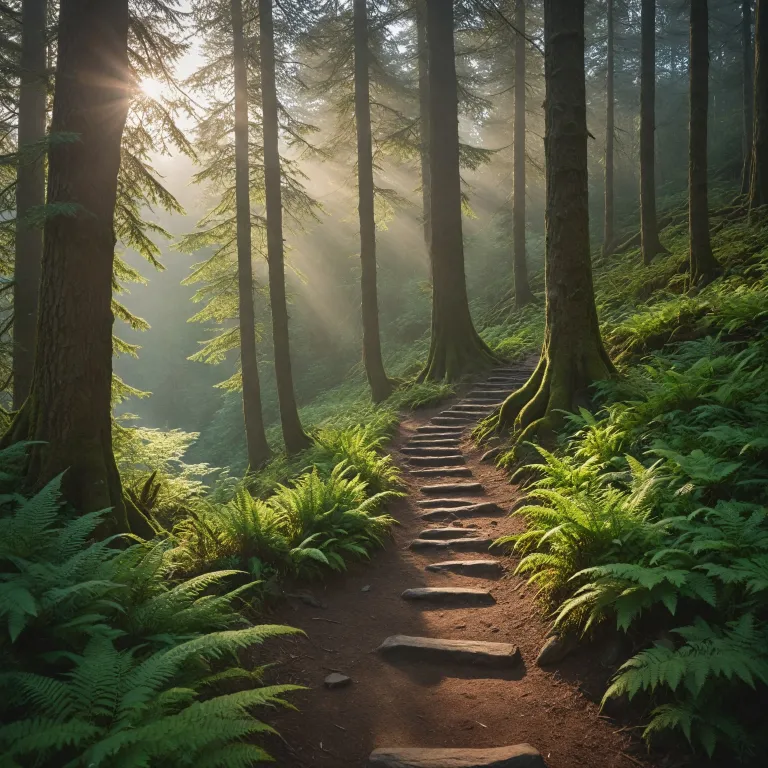
Weekend overview of Columbia River Gorge hiking trails
The Columbia River Gorge offers an exceptional setting for short trips, with hiking trails that fit neatly into a refined weekend escape. Within a compact radius, you can walk along the columbia river, climb to panoramic viewpoints, and stand beneath misty falls that feel worlds away from city life. Many visitors plan a single signature hike, then add a shorter loop or creek stroll to round out their round trip itinerary.
Across the river gorge, more than two hundred thirty trails range from easy riverside paths to routes with serious elevation gain. The U.S. Forest Service manages much of this network and emphasizes sustainable maintenance, while local partners encourage hikers to respect Leave No Trace principles. Before any hike, check current conditions, as miles elevation figures and difficulty ratings can shift with seasonal closures, storm damage, or snow.
For a first elegant weekend, focus on classic Columbia River Gorge hiking trails near Hood River and along the historic river highway. These routes combine access to multnomah falls, wahkeena falls, and several lesser known creek falls that feel surprisingly tranquil early in the morning. With careful planning, you can link a moderate loop, a short out and back to a waterfall, and a scenic drive without feeling rushed.
Parking logistics matter on busy days, because each popular trailhead has a limited parking lot that often fills quickly. Arrive early, carry water and layers, and keep a flexible list of alternatives in case your chosen lot is full. This approach keeps your weekend relaxed, even when the gorge is at its busiest.
Signature waterfall hikes for refined short escapes
Multnomah falls remains the most iconic stop on any Columbia River Gorge hiking trails itinerary, especially for first time visitors. The Multnomah Falls via Larch Mountain Trail is highly popular, featuring a 2.3-mile round trip with an elevation gain of 803 feet. From the base, you can photograph the two tiered waterfall, then continue on a paved trail that climbs steadily in gentle switchbacks.
Above the main viewpoint, the trail narrows and the difficulty becomes clearly moderate, with railings and tight turns that reward patience. Many hikers extend this route into a longer loop by linking with the wahkeena trail, creating a graceful circuit that passes smaller creek falls and mossy cliffs. This wahkeena and multnomah loop offers varied scenery within only a few miles, ideal for a half day hike before a leisurely lunch.
For solo weekend travel ideas that balance scenery and safety, consider pairing these classic waterfalls with shorter paths near the river highway. A refined planner might browse curated solo weekend travel suggestions and then adapt them to the gorge, prioritizing well signed routes and steady mobile coverage. Always inform someone of your plans, especially if you extend your hike beyond the main viewpoints.
Photography enthusiasts will appreciate how changing light transforms each waterfall and creek. Early morning often brings soft mist around multnomah and wahkeena falls, while late afternoon highlights the surrounding ridge lines. Bring a waterproof layer for spray, protect your camera between shots, and step aside from the trail when composing any photo.
Planning moderate ridge and mountain routes for weekend hikers
Beyond the famous waterfalls, Columbia River Gorge hiking trails include ridge and mountain routes that suit experienced weekend hikers. These paths often feature longer miles, more substantial elevation gain, and sweeping views of the columbia river and surrounding peaks. When planning, pay close attention to difficulty ratings and note whether a route is described as difficulty moderate or more strenuous.
Dog mountain on the washington side is a prime example, known for wildflowers and a steep climb that feels far longer than its listed miles. Some trails, like Dog Mountain, require permits during peak seasons. It's advisable to check current regulations before planning your hike. The ascent gains many hundreds of feet in a relatively short distance, so hikers should be comfortable with sustained effort and exposed ridge sections.
Nearby, hamilton mountain offers another rewarding weekend objective, with a mix of forest, creek views, and open viewpoints. The loop options here allow you to tailor your round trip distance and miles elevation to your fitness level, while still enjoying dramatic perspectives over the river gorge. For groups of friends, this area pairs well with guidance from short trips with friends resources that emphasize shared pacing and clear communication.
Further east, coyote wall presents a distinctive basalt escarpment on the washington side, with trails that traverse open slopes above the columbia. Here, the difficulty is often rated moderate, but wind exposure and sun can increase the challenge, especially over several miles. Carry sufficient water, protect yourself from the elements, and respect seasonal closures that protect sensitive habitats.
Creek canyons, loops, and lesser known weekend options
For travelers seeking quieter Columbia River Gorge hiking trails, the creek canyons and forested loops offer a more contemplative weekend. Eagle creek, when open, is renowned for its dramatic cliffs and multiple creek falls, with sections where the trail is carved directly into the gorge wall. Herman creek provides a slightly less crowded alternative, with long forested miles that gradually gain feet in elevation toward remote viewpoints.
Triple falls, accessed via certain segments of the eagle creek corridor, rewards hikers with a striking three pronged waterfall framed by lush vegetation. The round trip distance can be adjusted by turning around at earlier viewpoints, making the difficulty moderate for many visitors who pace themselves. Always stay on the designated trail, as narrow sections above the creek demand attention and respect for safety.
Some of these routes feature loop options that weave through mixed conifer forest, past smaller creek falls, and back toward the river highway. The combination of gentle grades and occasional steeper pitches creates varied difficulty, ideal for a weekend when you want both challenge and calm. Check trail maps in advance, as junctions can be frequent and signage may vary in clarity.
When planning elegant day trips that combine hiking with scenic drives, you can draw inspiration from curated elegant day trip itineraries and adapt their pacing to the gorge. Aim for one primary hike of several miles, plus a shorter stroll to a waterfall or river viewpoint. This balance leaves time for unhurried meals, wine tasting, or simply watching the columbia flow past from a quiet overlook.
Practical tips for short trips, dogs, and parking logistics
Short weekend visits to the Columbia River Gorge hiking trails demand thoughtful logistics, especially around parking and timing. Popular trailheads near multnomah falls, wahkeena falls, and cape horn often see their parking lot fill early in the day. Arriving before mid morning, or planning a late afternoon hike, can significantly reduce stress and protect the relaxed tone of your getaway.
Many visitors travel with a dog, and several trails in the river gorge welcome leashed pets, though regulations vary. Always confirm whether dogs are allowed on a specific trail, and remember that steep sections, narrow ledges, or ladders may not suit every dog. Carry extra water, check paws regularly on rocky surfaces, and yield courteously when passing others on narrow segments.
For those new to the area, starting with a route labeled difficulty moderate is often wise, especially when combined with limited time and travel fatigue. Choose a loop of a few miles and moderate elevation gain in feet, rather than committing to a demanding mountain ascent on your first afternoon. This approach leaves room for weather changes, navigation pauses, and unplanned photo stops at scenic viewpoints.
Essential packing for a weekend includes layered clothing, sturdy footwear, and a small daypack with snacks and navigation tools. Online maps and mobile applications are helpful, but signal can fade in deep creek canyons or behind a ridge, so offline maps are prudent. Inform someone of your planned miles, expected round trip time, and chosen trail, then check back in once you return to your vehicle.
Seasonal nuances, safety, and responsible weekend hiking
The Columbia River Gorge hiking trails offer year round appeal, but each season shapes your weekend differently. Spring brings wildflowers to dog mountain and hamilton mountain, while waterfalls like multnomah falls and wahkeena surge with snowmelt. Summer offers longer daylight for extended miles, yet heat and crowds increase, especially near the river highway and major parking lot hubs.
Autumn often delivers crisp air, colorful foliage along the columbia river, and clearer views from ridge and mountain summits. Winter can transform the gorge into a dramatic landscape of ice and snow, where elevation gain in feet feels more demanding under slick conditions. During colder months, traction devices, extra layers, and conservative route choices become essential for safety.
Safety guidance from local authorities emphasizes preparation and communication. Check trail conditions and weather forecasts before hiking. Carry sufficient water and snacks. Wear appropriate footwear and clothing. Inform someone about your hiking plans. These simple steps, combined with staying on marked trail corridors, significantly reduce the risk of incidents during short trips.
Responsible hiking also means supporting the long term health of the river gorge ecosystem. The U.S. Forest Service and partners such as the Klickitat Trail Conservancy promote sustainable practices, from erosion control to habitat protection. By packing out all waste, respecting closures, and limiting off trail photo excursions near fragile creek banks, weekend visitors help ensure that these miles of paths remain inspiring for future travelers.
Key statistics and common questions for weekend planners
The scale of the Columbia River Gorge hiking trails network can surprise first time visitors planning a short escape. Within the Columbia River Gorge National Scenic Area, hikers can choose from more than two hundred established routes, many of which fit neatly into a single morning or afternoon. Understanding a few core statistics and common questions helps refine expectations for both difficulty and time.
According to widely referenced trail databases, the region offers approximately 236 mapped hiking options, with an average rating above four stars from recent visitors. The nearby Klickitat Trail, while slightly outside the central waterfall corridor, extends for about 31 miles and can be broken into shorter segments for relaxed weekend cycling or walking. These figures illustrate how even a brief visit can include several distinct experiences, from creek side strolls to ridge top viewpoints.
Key statistics for Columbia River Gorge hiking
- Approximately 236 maintained hiking trails within the broader scenic area.
- Average user rating around 4.3 stars across popular routes.
- Klickitat Trail length of roughly 31 miles, suitable for section hikes.
Frequently asked questions
What is the most popular hiking trail in the Columbia River Gorge ?
The Multnomah Falls via Larch Mountain Trail is highly popular, featuring a 2.3-mile round trip with an elevation gain of 803 feet. This route combines an accessible paved path with rewarding viewpoints, making it ideal for many weekend visitors. Arrive early to secure a space in the nearby parking lot and enjoy quieter moments at the main waterfall overlook.
Are permits required for hiking in the Columbia River Gorge ?
Some trails, like Dog Mountain, require permits during peak seasons. It's advisable to check current regulations before planning your hike. Official websites and visitor centers provide up to date information on permit windows, fees, and any seasonal restrictions that might affect your chosen trail.
What safety precautions should hikers take ?
Stay on designated trails, be aware of weather conditions, and avoid hiking alone. Always inform someone about your hiking plans. Combine this with carrying appropriate gear, monitoring your energy on steep miles of ascent, and turning back if conditions or visibility deteriorate along the river gorge.