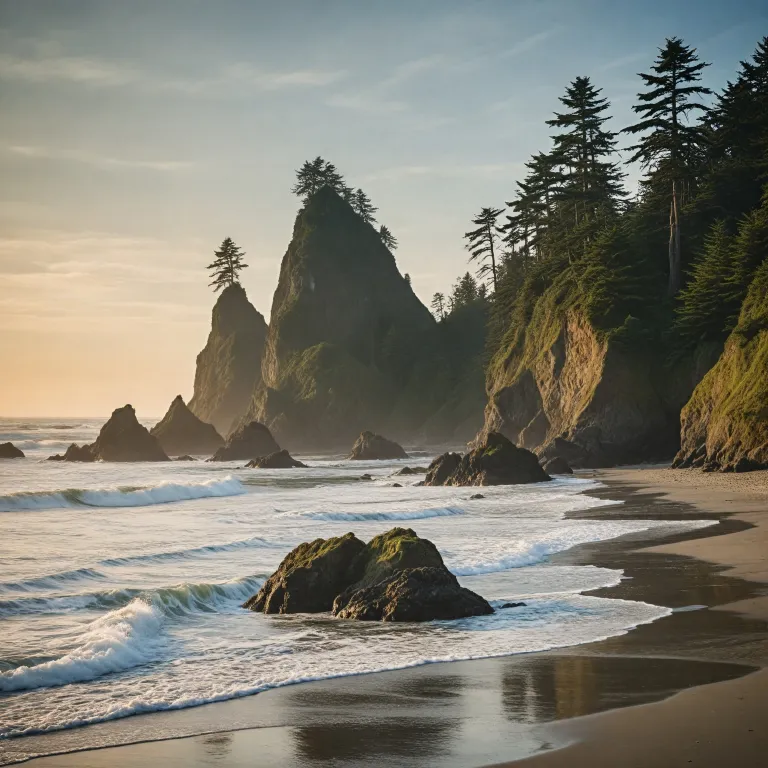
Unveiling the geological marvels of point of arches
Point of arches stands as a testament to the Pacific Northwest’s dynamic coastline, where the relentless sea has sculpted a series of arches and sea stacks along Shi Shi Beach. These rock formations, shaped by millennia of wave erosion and tectonic activity, create a landscape that is both dramatic and serene. The area is part of the Olympic Peninsula, within the boundaries of Olympic National Park, and is renowned for its unique geological features. The interplay between the arches, tide pools, and shifting sands offers visitors an ever-changing tableau, especially at low tide when hidden pools and marine life are revealed.
Hiking the Shi Shi Beach trail, which stretches approximately 8 miles round trip, provides access to this remarkable point. The trail traverses lush park wilderness, muddy stretches, and boardwalks designed to protect sensitive habitats. As you approach the beach point, the sound of the sea grows louder, and the first glimpses of the arches low on the horizon signal your arrival. The area’s geology is influenced by the Cascadia subduction zone, resulting in the striking formations point of arches is known for. Whether you are a geology enthusiast or simply seeking a scenic escape, the interplay of rocks, sea, and sky here is unforgettable.
For those planning a trip, it is essential to check tide tables and plan your visit around low tide. This timing allows safe passage to the tide pools and ensures you can explore the full extent of the rock formations. The Olympic National Park Service and Washington Trails Association provide up-to-date trail information and maps, enhancing your experience and safety. The point of arches is not just a geological wonder; it is a living landscape, shaped by natural forces and the stewardship of the Makah Tribe and park authorities.
Cultural heritage and the Makah connection at point of arches
The cultural significance of point of arches extends far beyond its natural beauty. The Makah Tribe has called this region home for over 3,800 years, establishing villages and seasonal camps along the coastal strip. Their deep connection to the land and sea is evident in the careful stewardship of Shi Shi Beach and the surrounding park wilderness. Visitors are encouraged to respect cultural sites and adhere to Leave No Trace principles, ensuring the preservation of both natural and cultural resources.
To access point of arches and Shi Shi Beach, a Makah Recreation Pass is required for day visits, while overnight stays necessitate an Olympic National Park wilderness permit. These measures help manage visitor impact and protect the fragile ecosystems and cultural sites. The Makah Cultural and Research Center in Neah Bay offers insights into the tribe’s history and ongoing relationship with the land. As you walk the beach trail, you are treading paths that have been used for generations, linking the present to a rich heritage.
Engaging with the Makah community, whether through guided tours or educational programs, enriches the experience of visiting point of arches. The partnership between the Makah Tribe, National Park Service, and Washington Trails Association ensures that conservation and education go hand in hand. For more information on sustainable travel practices and indigenous stewardship, explore responsible travel on the Olympic Peninsula. The respect for both the land and its people is integral to any trip to this extraordinary location.
Planning your hike: navigating the Shi Shi Beach trail
The journey to point of arches begins with the Shi Shi Beach trail, a route celebrated for its scenic beauty and challenging terrain. The trailhead is located near the fish hatchery in Neah Bay, and the path covers approximately 8 miles round trip with an elevation gain of 200 feet. Hikers should prepare for muddy conditions, particularly during the second mile, where boardwalks and bridges have been installed to protect sensitive habitats and improve accessibility.
Proper preparation is essential for a safe and enjoyable hike. Waterproof boots, trail maps, and knowledge of tide schedules are indispensable. The trail meanders through dense forest before opening onto the expansive Shi Shi Beach, where the sound of the sea and the sight of sea stacks and arches create a sense of awe. The beach trail continues along the shoreline, offering views of tide pools, rock formations, and the iconic point arches that define this stretch of the Olympic Peninsula.
Camping is permitted in designated areas above the high tide mark, and bear canisters are required for food storage to protect local wildlife. The National Park Service and Washington Trails Association provide detailed guides and updates on trail conditions. For those seeking additional guidance on hiking in the Pacific Northwest, visit expert hiking resources for Olympic National Park. The hike to point of arches is both a physical challenge and a journey through one of the region’s most captivating landscapes.
Experiencing tide pools and marine life at low tide
One of the highlights of visiting point of arches is the opportunity to explore its vibrant tide pools. At low tide, the receding sea reveals a hidden world teeming with marine life. Colorful anemones, starfish, and crabs inhabit the pools nestled among the rocks, while sea stacks and arches provide shelter for seabirds and other coastal creatures. The tide pools at point arches are among the most diverse on the Olympic Peninsula, offering a glimpse into the complex ecosystems of the Pacific Northwest.
Timing your visit to coincide with low tide is crucial for safe and rewarding exploration. Tide tables are available from the National Park Service and local visitor centers, allowing you to plan your trip accordingly. The interplay of high tide and low tide shapes the landscape, creating ever-changing opportunities for discovery. As you wander among the pools, remember to tread lightly and avoid disturbing the delicate habitats. The Olympic National Park’s commitment to conservation ensures that these natural wonders remain accessible for future generations.
For those interested in marine biology or simply seeking a unique outdoor experience, the tide pools at point of arches offer endless fascination. The area’s rock formations and sea stacks create a dramatic backdrop for observing wildlife and photographing the interplay of light and water. To enhance your understanding of the region’s marine ecosystems, consult resources provided by the Washington Trails Association and the National Park Service.
Practical tips for a seamless trip to point of arches
Preparation is key to making the most of your visit to point of arches. Begin by obtaining the necessary permits: a Makah Recreation Pass for day use and an Olympic National Park wilderness permit for overnight stays. Check weather forecasts and tide tables before setting out, as conditions can change rapidly along the coast. The parking lot at the trailhead fills quickly during peak seasons, so early arrival is recommended.
Pack essentials such as waterproof clothing, sturdy footwear, and sufficient food and water. Bear canisters are mandatory for overnight campers to protect both visitors and wildlife. The trail can be muddy, especially after rain, so gaiters and trekking poles may enhance comfort and safety. Respect cultural sites and natural habitats by following Leave No Trace principles, ensuring that your presence has minimal impact on this pristine environment.
For those new to coastal hiking, guided tours and educational programs are available through the Makah Tribe and park partners. These experiences provide valuable insights into the region’s geology, ecology, and cultural history. The partnership between local communities and park authorities ensures that point of arches remains a destination where recreation and conservation coexist. As the National Park Service notes, "Access Point of Arches by hiking the Shi Shi Beach trail, starting near the fish hatchery in Neah Bay. The trail is approximately 8 miles round trip." This expert guidance underscores the importance of preparation and respect for the land.
Connecting with the spirit of the Olympic Peninsula
Point of arches is more than a destination; it is an invitation to connect with the wild spirit of the Olympic Peninsula. The interplay of sea, rocks, and forest creates a sense of wonder that lingers long after your trip ends. Whether you are drawn by the geological marvels, the vibrant tide pools, or the rich cultural heritage, each visit offers new perspectives and experiences. The Olympic National Park’s commitment to stewardship ensures that these treasures are preserved for future generations.
As you explore the beach trail, observe the changing light on the sea stacks and listen to the calls of seabirds echoing among the arches. The journey from the parking lot to the point arches is a microcosm of the Pacific Northwest’s natural beauty and resilience. The Makah Tribe’s enduring presence and the collaborative efforts of park partners highlight the importance of community engagement in conservation. Sustainable tourism practices, such as respecting tide schedules and minimizing environmental impact, are essential for maintaining the integrity of this unique landscape.
For travelers seeking inspiration and renewal, point of arches offers a rare blend of adventure and tranquility. The region’s rock formations, tide pools, and cultural sites invite exploration and reflection. Whether you are planning a weekend getaway or an extended stay, the Olympic Peninsula’s coastal wonders await, promising memories that will last a lifetime.
Key statistics: point of arches and Shi Shi Beach
- Length of Shi Shi Beach trail: 8 miles (round trip)
- Elevation gain of Shi Shi Beach trail: 200 feet
- Annual visitors to Olympic National Park: 3.1 million
Frequently asked questions about point of arches
How do I get to Point of Arches?
Access Point of Arches by hiking the Shi Shi Beach trail, starting near the fish hatchery in Neah Bay. The trail is approximately 8 miles round trip.
Do I need a permit to visit Shi Shi Beach and Point of Arches?
Yes, a Makah Recreation Pass is required for day visits, and an Olympic National Park wilderness permit is needed for overnight camping.
What is the best time to visit Point of Arches?
Point of Arches can be visited year-round, but summer months typically offer better weather conditions and easier trail access.
References: National Park Service, Washington Trails Association, Makah Cultural and Research Center